

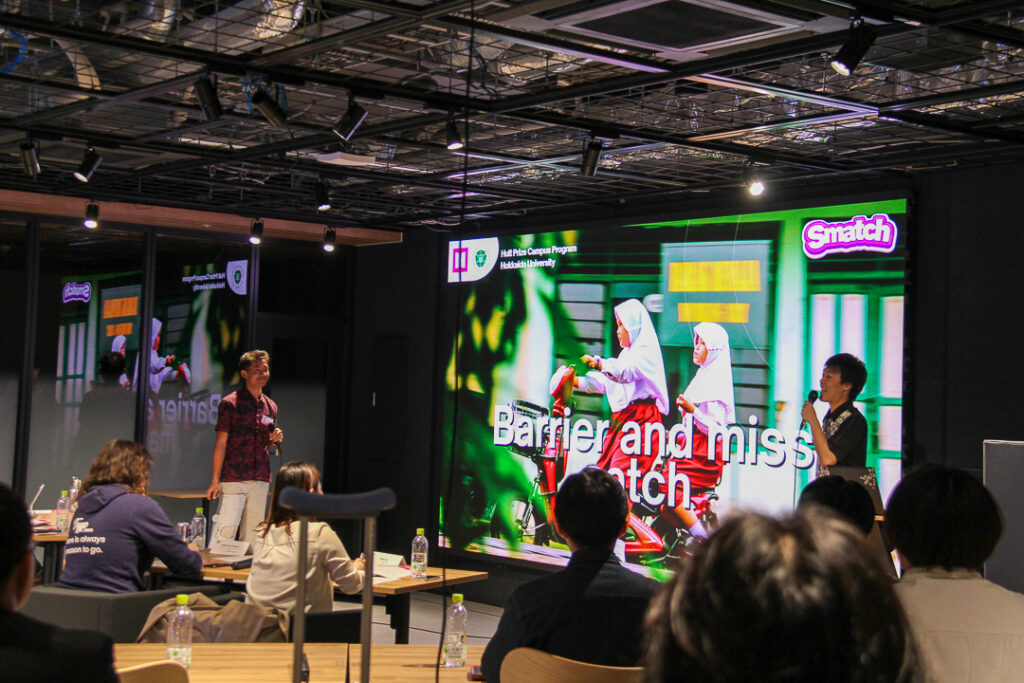
Five student teams took the stage at the Hult Prize Hokkaido University Campus Finals 2025/26 on February 24 to pitch startup ideas addressing cultural preservation, sustainable tourism, education access, climate resilience, and community connection. The teams presented their innovative concepts to tackle pressing global issues, demonstrating both entrepreneurial ambition and social awareness.
The campus finals marked the culmination of the Hult Prize Campus Program at Hokkaido University, the first stage of the global competition that challenges students to develop for-profit startups aligned with the SDGs.
A Platform for Student Entrepreneurship
The Hult Prize is a global entrepreneurship competition organized by the Hult Prize Foundation, originally launched at Hult International Business School. The year-long international program guides students through multiple phases of idea development, mentorship, and pitching. Then, teams will compete to advance to later stages of the competition and ultimately vie for up to 1 million USD in seed funding.
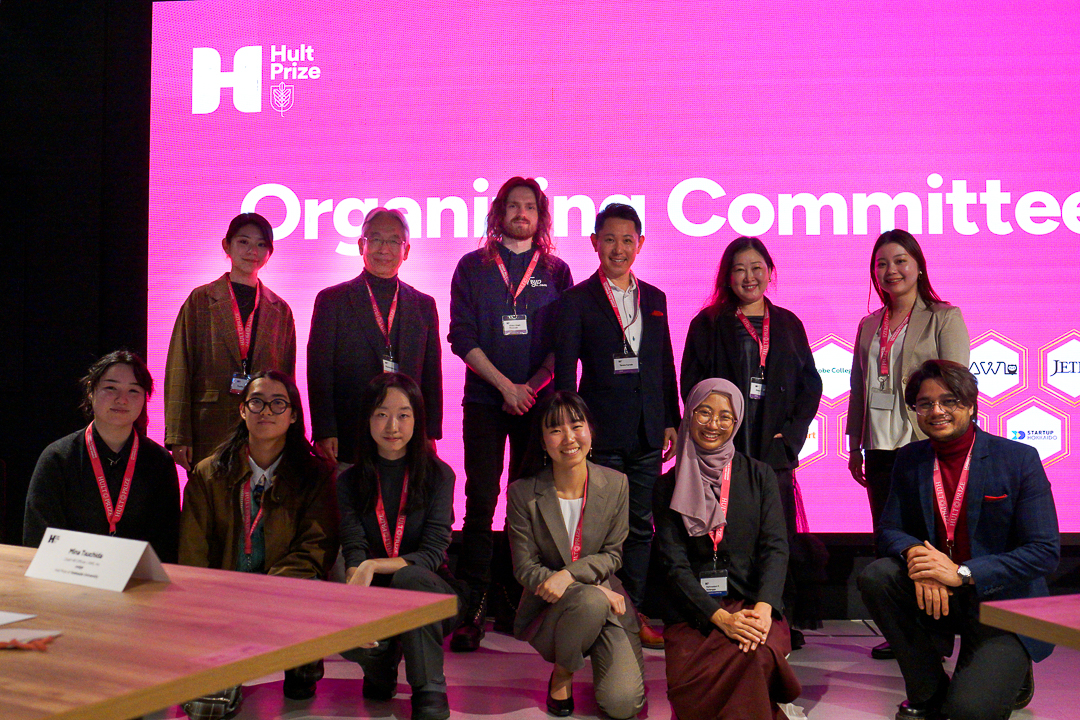
At Hokkaido University, the Campus Program runs from September 2025 to March 2026 and includes training sessions, mentorship camps, and entrepreneurship seminars. The initiative is organized by a six-member student committee, led by Campus Director Yuki Kishimoto (School of Agriculture, B3), creating a student-led platform that continues beyond the final competition.
Ideas Addressing Real-World Challenges
The 2025/26 challenge theme, “Unlimited,” invited Hokkaido University students to develop innovative startup ideas connected to global challenges under the SDGs framework. This year’s finalists included students from Japan, Indonesia, and the Philippines, reflecting the international character of the university.
After careful evaluation by a panel of judges from Blackfields Consulting (CEO Kuroda), JETRO Hokkaido (Chief Iwai), Tryp.com (Co-founder Thomsen), and AWL Inc. (Chief HR Officer Tsuchida), the following teams were recognized:
Final Competition Winner: Nodeform
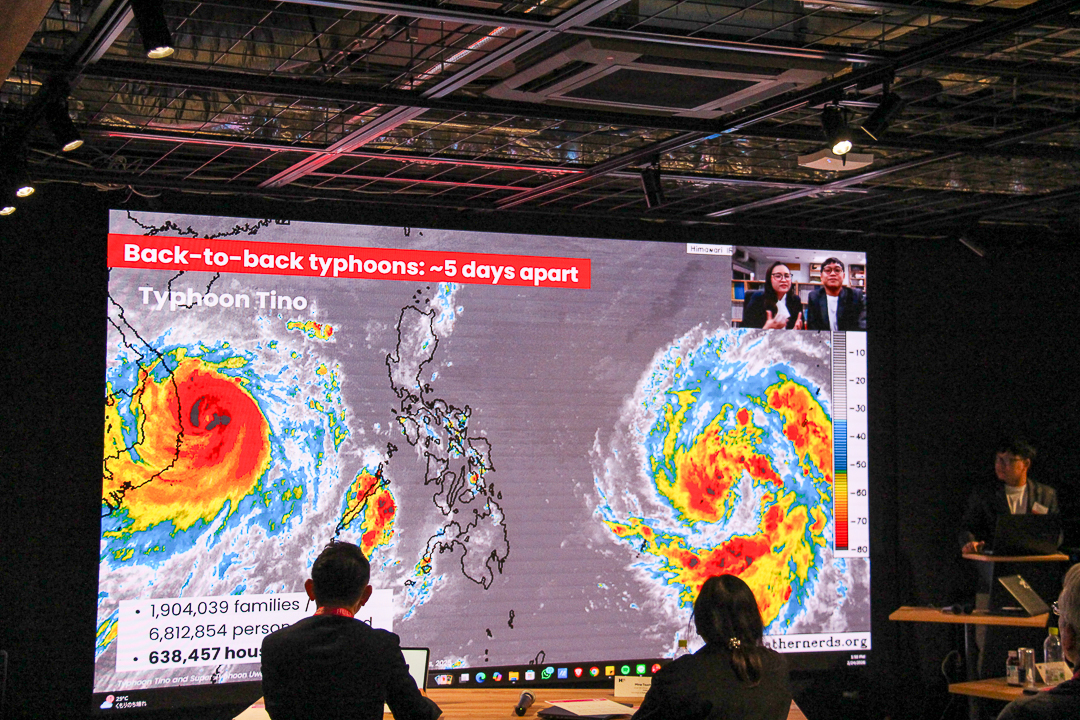
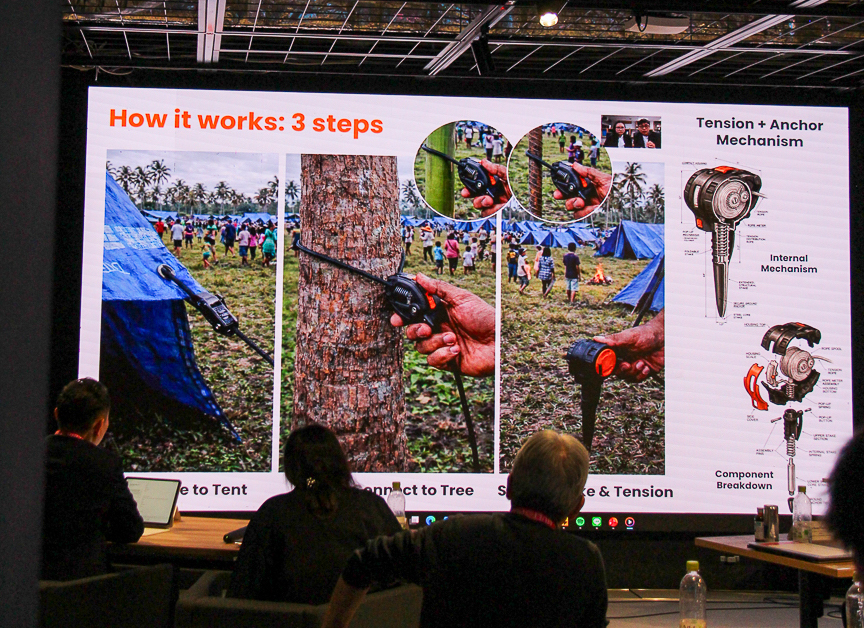
Nodeform (Abraham & Kristine, Laboratory of Architectural Planning) received first place for its architect-designed emergency shelter solution intended to support displaced families affected by climate-related disasters. The system enables evacuees to construct stable temporary housing structures using available poles and materials, offering a safer and more durable alternative to conventional makeshift shelters.
This project demonstrated a strong environmental focus, tackling critical climate change challenges while supporting vulnerable communities. It is a thoughtful and compassionate solution. With further refinement, I believe it has strong potential to succeed in the next stage of the competition,
One judge remarked.
Nodeform will now advance to the next round of the Hult Prize competition.
Runner-Up Winners and Participants
In addition to the winning team, several other innovative ideas were recognized at the campus finals.
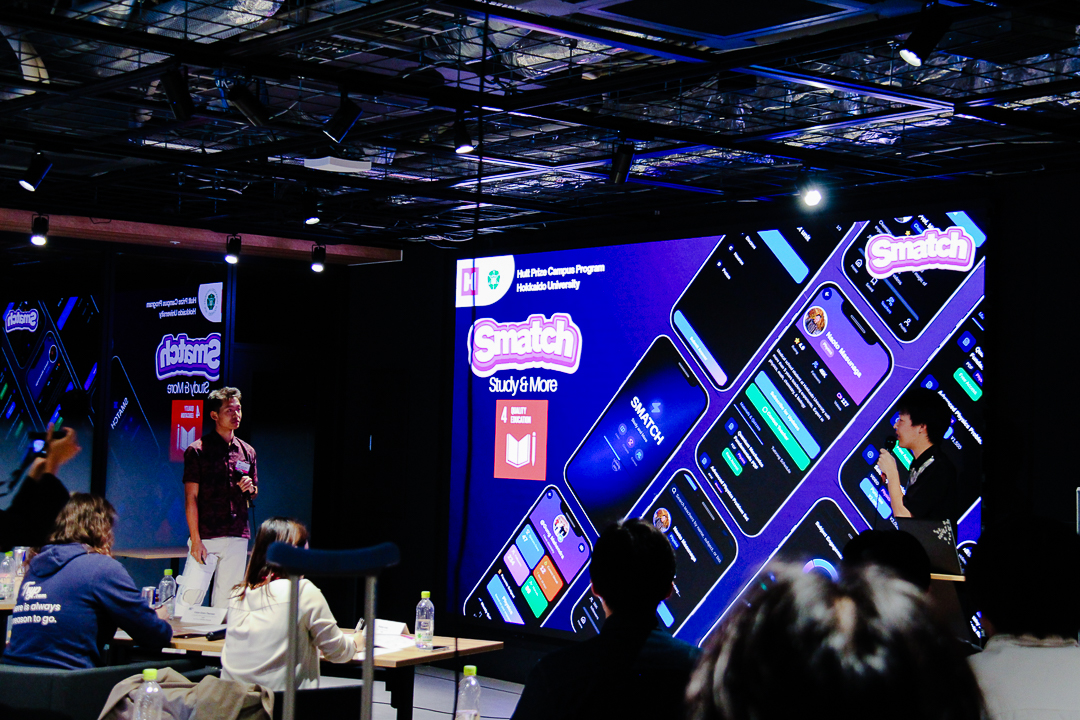
Smatch, named 1st Runner-Up, proposed a social media-based online learning platform designed to make educational content accessible and engaging. Inspired by short-form video formats, the platform enables educators to share concise and interactive lessons with broader audiences.
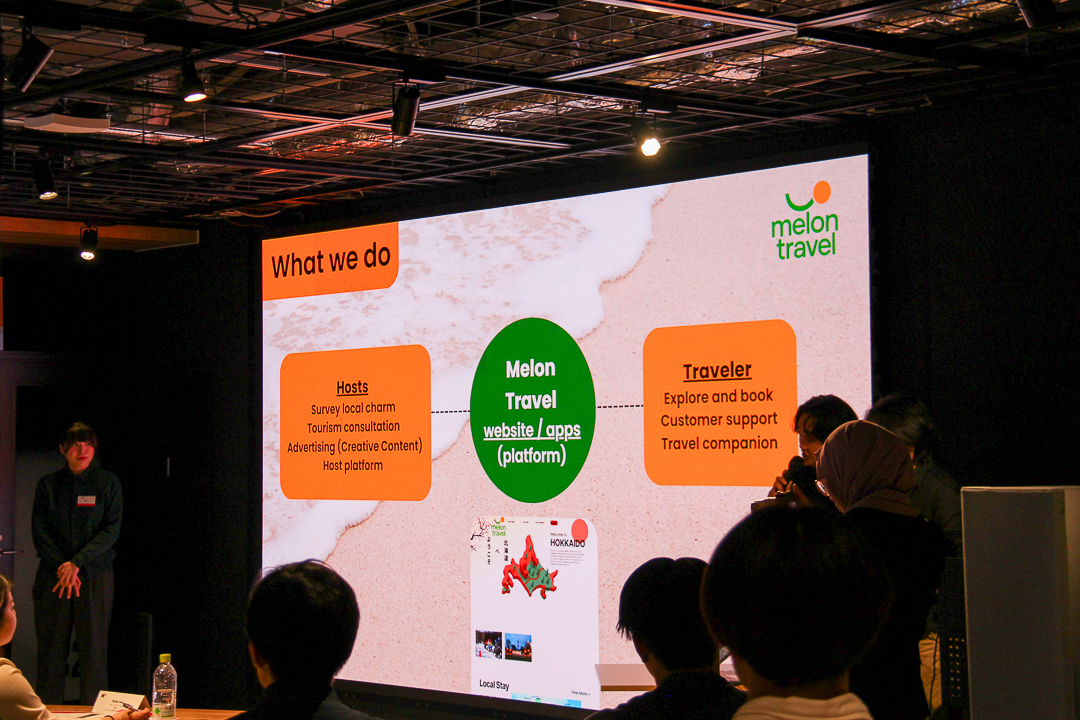
Melon Travel, awarded 2nd Runner-Up, introduced a curated travel platform that connects travelers with local communities in Hokkaido, encouraging deeper cultural engagement beyond conventional tourism.
Other finalist teams included Wa-Chain, which explored optimizing washi (traditional Japanese paper) selection for art restoration, and Yottomoo, an online platform aimed at fostering safe and meaningful social connections among Hokkaido University students.
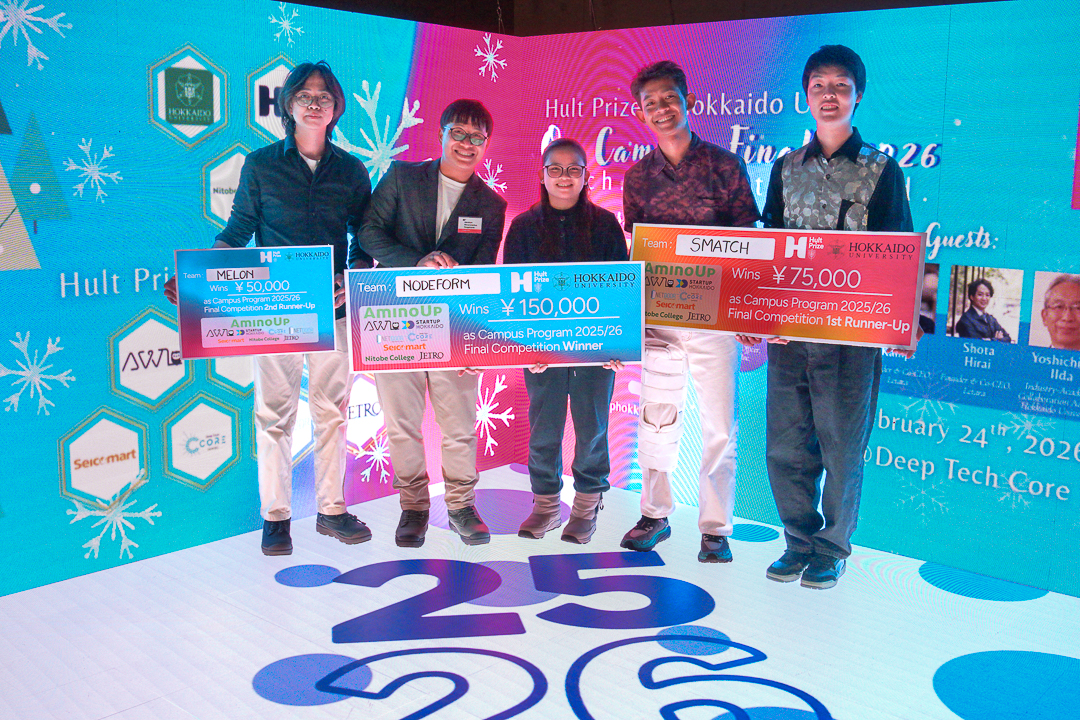
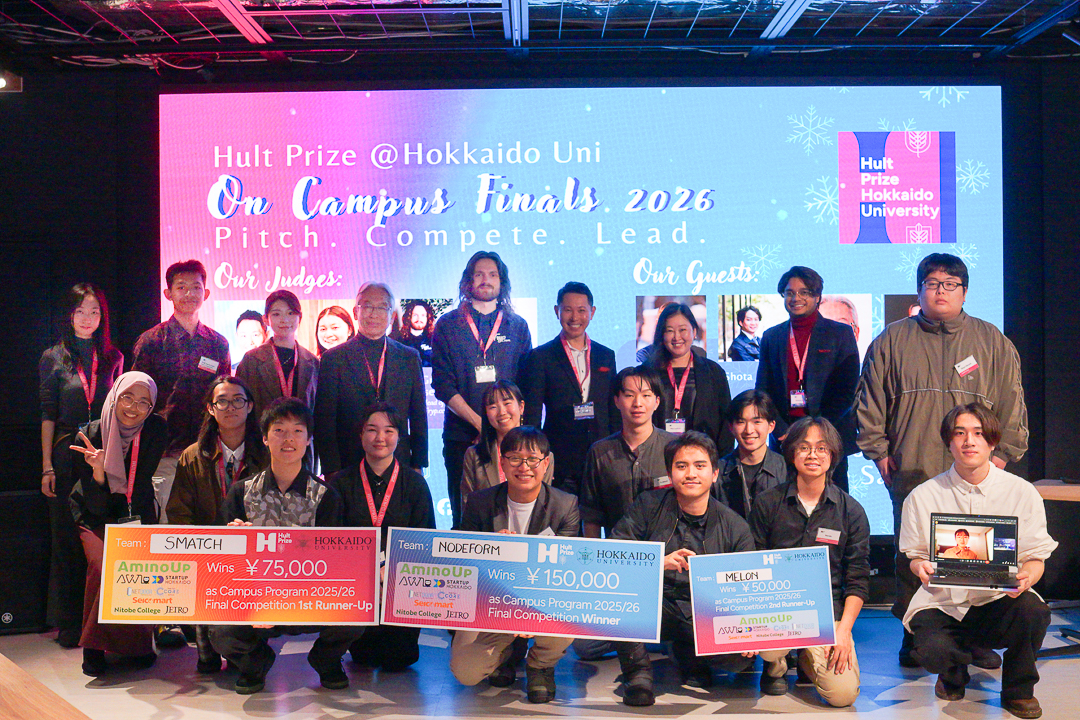
Left: The winning teams (photo by Hult Prize organizing committee)
Right: All participants and judges
As this year’s winning team advances to the next stage of the international competition, the event once again demonstrated how student innovation can contribute to addressing complex global issues.