Skip to content
  • catcHUp
  • Give
  • JA
    • President’s Message
    • HU Vision 2030
    • HU Global Vision 2040
    • 150th Anniversary
    • Hokkaido Universal Campus Initiative
    • Sustainability Declaration
    • Diversity, Equity, and Inclusion (DEI)
    • aynu sisam urespa ukopirkare us i/Ainu and Indigenous Peoples
    • Philosophies
    • History
    • In Numbers
    • Awards
    • Honorary Degree Recipients
    • University Symbol
  • Sustainability
  • Campus
    • General Organization
    • Governing Organization
    • Administrative Organization
  • Institutes/Offices
    • University Library
    • University Museum
    • University Hospital
    • Veterinary Teaching Hospital
    • Health Care Center
    • Training Vessels
    • Experimental Forests and Farms
    • Aquatic Research Stations
    • Archaeological Research Center
    • University Archives
    • Event and Seminar Spaces
    • Gardens and Parks
    • Shops
    • Restaurants/Dining
  • Brochures
    • Public Relations Contact
    • Press Room
    • Social Media
    • E-Newsletter
    • Law
    • Fisheries Sciences
    • Environmental Earth Science
    • Science
    • Pharmaceutical Sciences
    • Agriculture
    • Life Science
    • Advanced Life Science
    • Education
    • Media, Communication, and Tourism
    • Health Sciences
    • Engineering
    • Chemical Sciences and Engineering
    • Economics and Business
    • Medicine
    • Dental Medicine
    • Veterinary Medicine
    • Biomedical Science and Engineering
    • Infectious Diseases
    • Global Food Resources
    • Humanities and Human Sciences
    • Information Science and Technology
    • Public Policy
    • Low Temperature Science
    • Electronic Science
    • Genetic Medicine
    • Catalysis
    • Zoonosis Control
    • Slavic-Eurasian Research
    • Information Initiative
    • Chemical Reaction
    • Vaccine
    • Food and Medical
    • Joint Facilities/Research Centers
    • Advancement of Higher Education
    • Advancement of Graduate Education
    • Center for Open Education
    • Student Advice and Counseling
    • Career Center
    • Human Resource Education
    • Joint Facilities/Educational Centers
    • Nitobe College
    • One Program for Global Goals
    • Double Degree Program and Cooperative Research Guidance
    • Outbound Programs
    • Open Courseware
    • Climate Change
    • SDGs Interviews
    • Spotlight on Research
    • Tackling Global Issues
    • Find an Academic Paper
    • Find a Researcher
    • Find Grant
    • Global Research and Education
    • Integrated Innovations
    • Business-Regional Collaboration
    • Program for Forming Japan’s Peak Research Universities (J-PEAKS)
    • Cross-ministerial Strategic Innovation Promotion Program (SIP)
    • COI-NEXT
    • Undergraduate Admissions Overview
    • Modern Japanese Studies Program
    • Integrated Science Program
    • Graduate Admissions Overview
    • Application Steps
    • Study in English
    • Study in Japanese
    • Hokkaido Summer Institute (HSI)
    • Short-Term Exchange in English (HUSTEP)
    • Japanese Language and Culture (JLCSP)
    • Special Auditor & Special Research Student
    • Scholarships for Prospective Students
    • Student Fees
    • Financial Support
  • Campus Life Overview
  • Japanese Language Courses
  • Health Care
  • Student Dormitories
  • Researcher’s Accommodation
  • Sport and Recreation
  • Clubs and Societies
  • Career Support
  • Students and Staff Communities
  • University Festivals
  • Discover Hokkaido
    • Inter-University Exchange Agreements
    • Departmental Exchange Agreements
    • International Consortia
  • International Visits
    • Seoul National University
    • The University of Melbourne
    • The University of Massachusetts Amherst
  • Global PR Ambassador
    • International Student Growth
    • Number of International Students
  • Strategy and Organization
  • Sapporo Campus
  • Hakodate Campus
  • Information Center (Sapporo)
  • Shuttle Bus
  • Sapporo Campus Map
  • Hakodate Campus Map
    • Academic Information (ELMS)
    • Wi-Fi and the Campus Computer Network
    • How to Use Libraries
    • Syllabus Search
    • Logo Guidelines (internal-only)
    • About Press Releases (internal-only)
    • Starting a Social Media Account (internal-only)
    • Find Translated Database (internal-only)
    • Campus AEDs
    • Safety Confirmation System
    • Preventing Harassment
  • Information for International Colleagues
  • Information for International Students
  • HANDBOOK for International Students
  • Alumni
Hokkaido University
magazin-article

HSI Report: Exploring Sustainability Through Wine and Forests

  • Campus
  • HSI
  • Food/Agriculture
  • Forest
  • Hokkaido
  • Students
  • Sustainability
  • Wine
Jul 07, 2026
Miriam Ilsa Arfani

The Hokkaido Summer Institute (HSI) 2026 has started offering over 150 courses in diverse fields, and as part of it, the course HU Field School (Wine and Forest) was held from June 12-14. It began with lectures at Hokkaido University’s Center of Education and Research for Hokkaido Wines, followed by field visits to the Tomakomai Experimental Forest, Hokkaido University’s Yoichi Orchard, and NIKI Hills Winery.
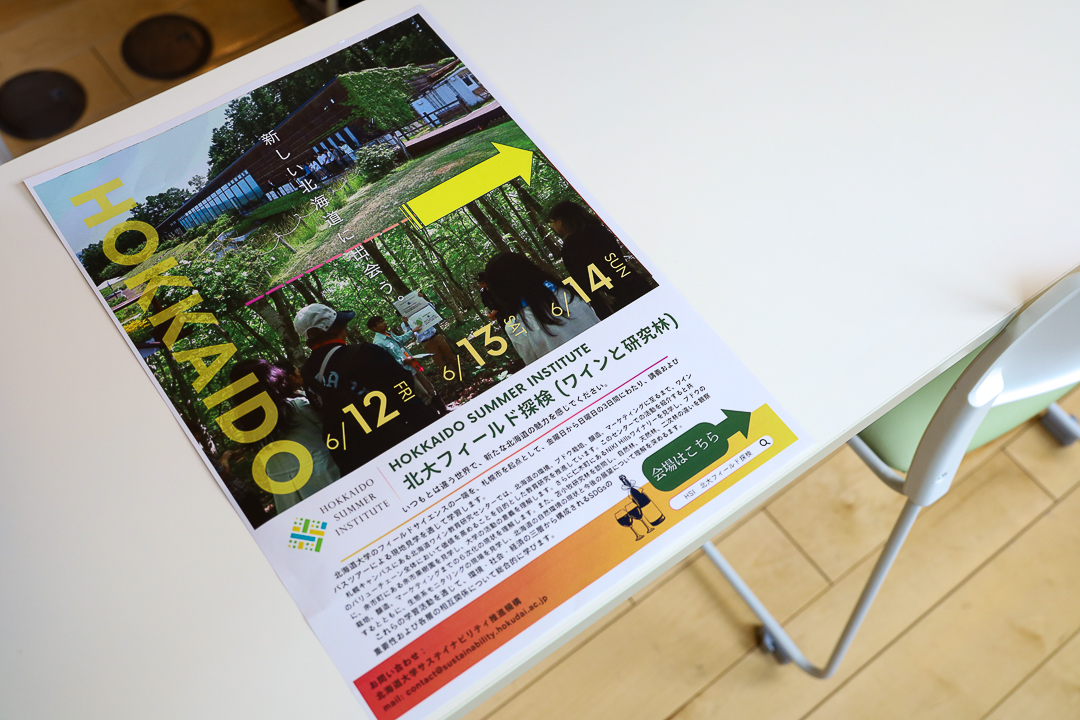
HU Field School (Wine and Forest)’s flyer (Photo: Miriam Ilsa Arfani)

What do wine and forests have in common?

Participants explored this question through HU Field School (Wine and Forest), a course that combined classroom learning with field visits across Hokkaido. By examining the region’s growing wine industry alongside its forest ecosystems, participants gained a deeper understanding of how environmental, social, and economic sustainability are interconnected.

The course attracted a diverse group of participants, including undergraduate and graduate students, and working professionals from across Japan. During the introductory session, participants shared their motivations for joining the course. Some were interested in experiencing a course unique to Hokkaido, while others were drawn by their interest in wine, regional revitalization, or environmental issues.
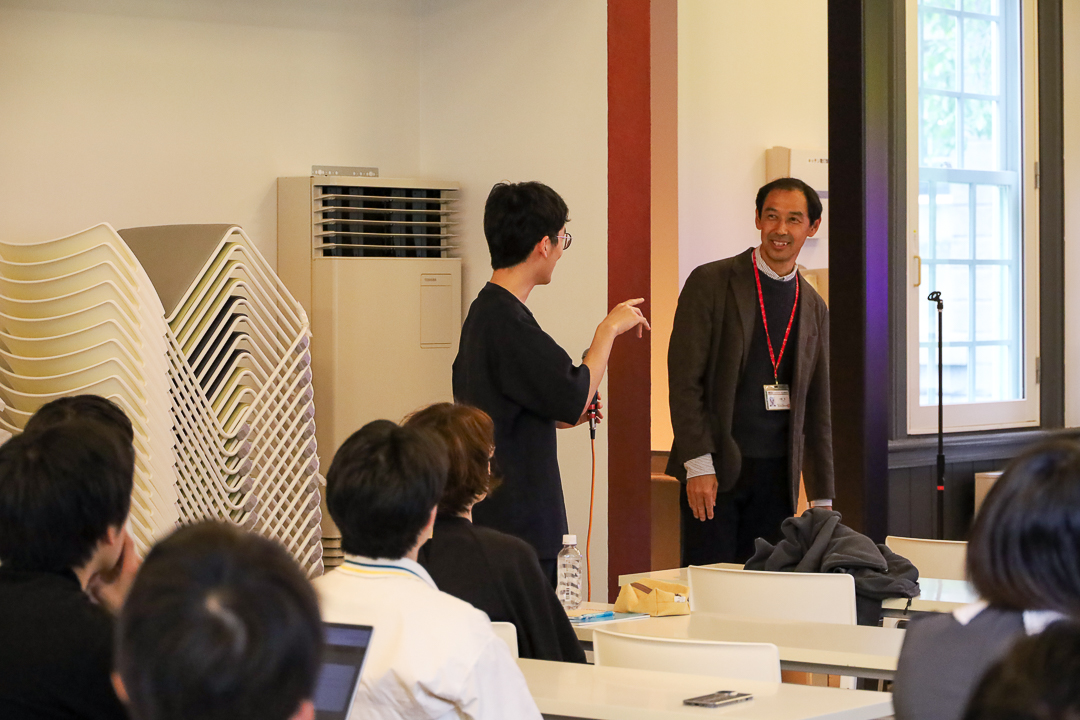
A participant introducing himself (left) and Prof. Satoru Kato (right) (Photo: Miriam Ilsa Arfani)

According to the course coordinator, Professor Satoru Kato of the Institute for the Advancement of Sustainability, participants came from a wide range of academic backgrounds, with roughly equal numbers from the humanities and sciences.

Learning About Hokkaido’s Wine Industry

The course began with a lecture by Professor Teruo Sone, director of the Center of Education and Research for Hokkaido Wines at Hokkaido University. He explained how wine reflects the characteristics of the land where its grapes are grown—a concept known as terroir—and can express a region’s climate, landscape, and culture.
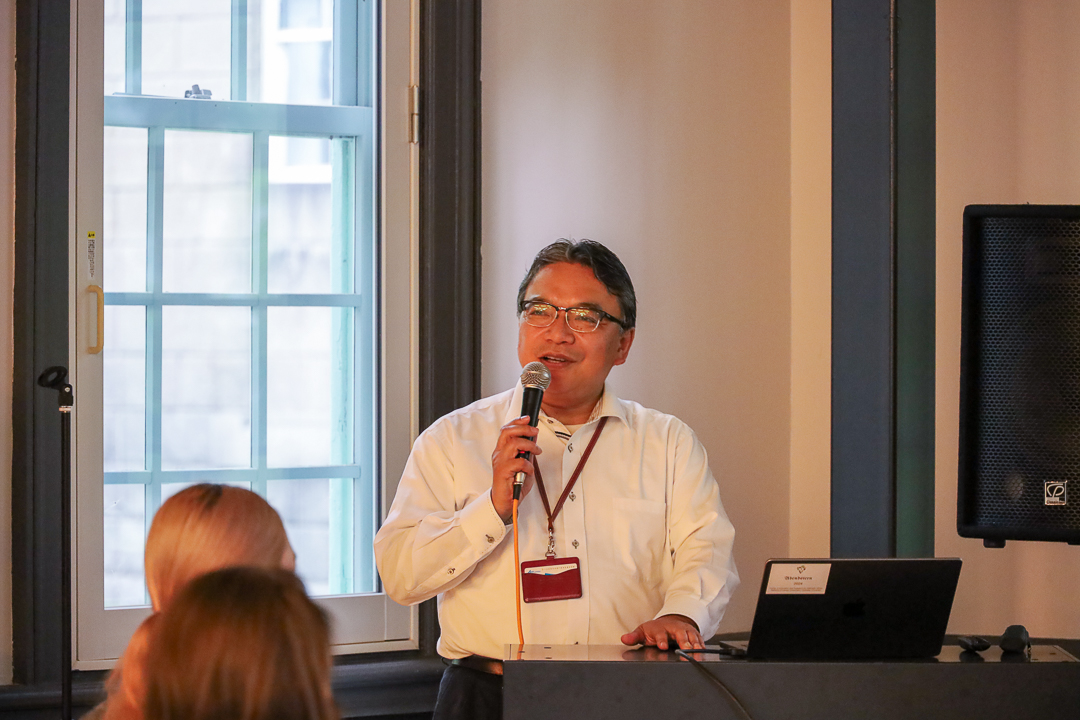
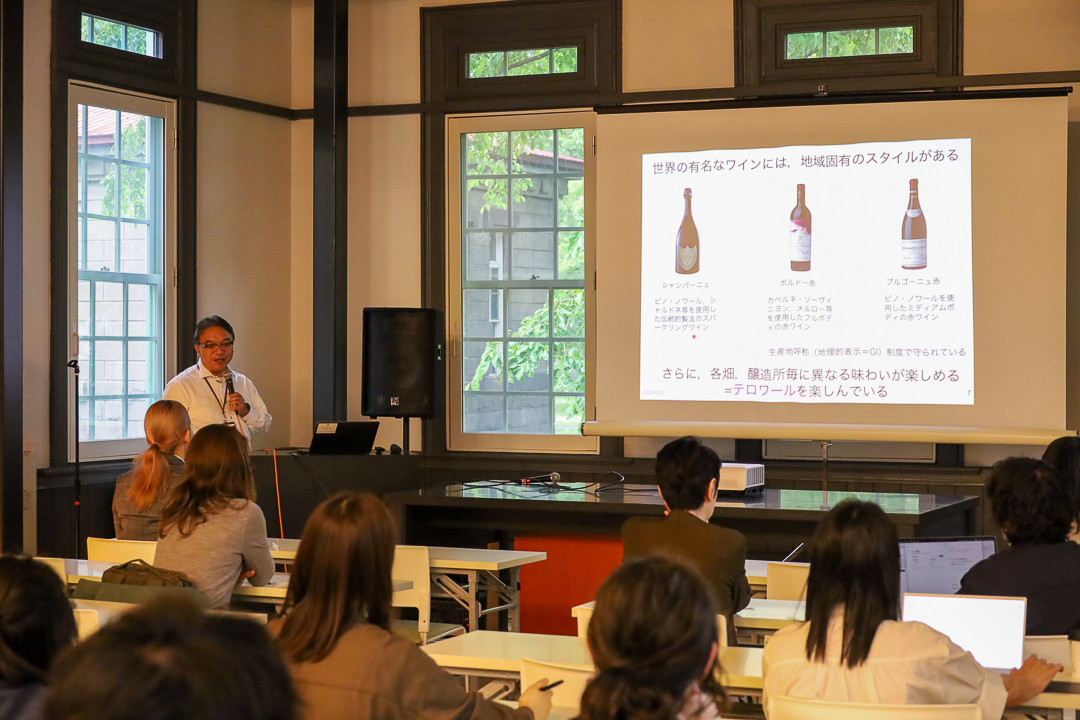
Prof. Teruo Sone of the Center of Education and Research for Hokkaido Wines (Photos: Miriam Ilsa Arfani)

Using California’s Napa Valley as an example, Professor Sone also discussed how wine production can support tourism, create jobs, and revitalize local communities. With Hokkaido’s wine industry continuing to grow, the University’s Center of Education and Research for Hokkaido Wines brings together researchers from fields such as climate science, entomology, aroma science, and marketing to help address challenges faced by local wineries.

The lecture prompted numerous questions from participants and was followed by a tour of the Center, where they learned more about Hokkaido University’s wine-related education and research.
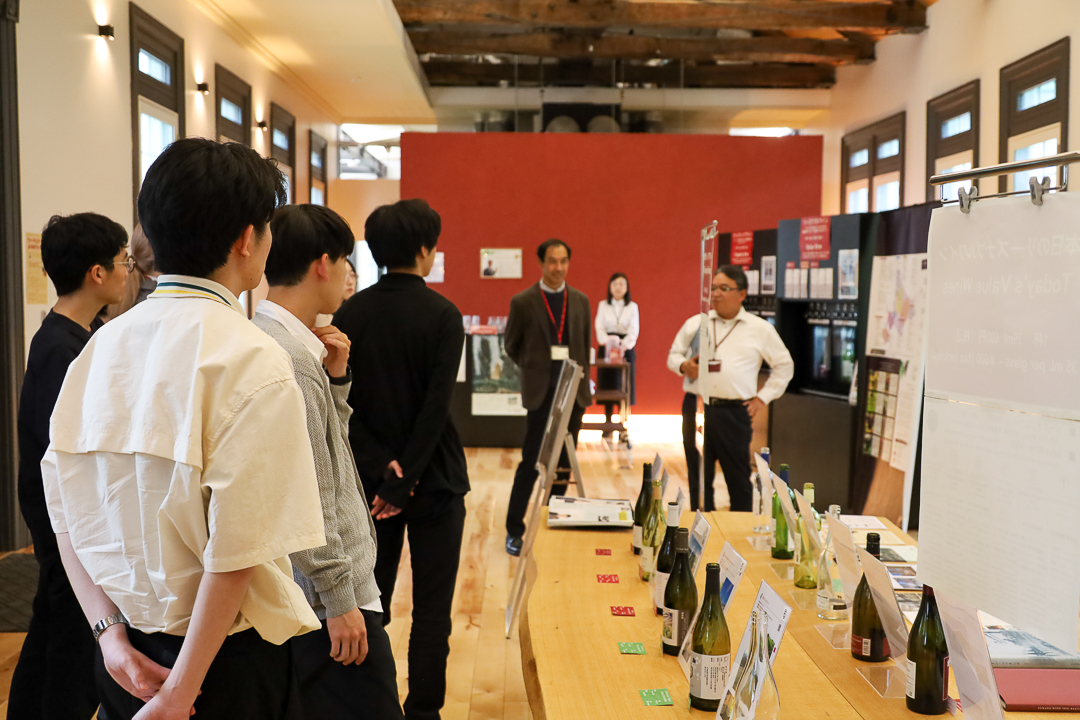
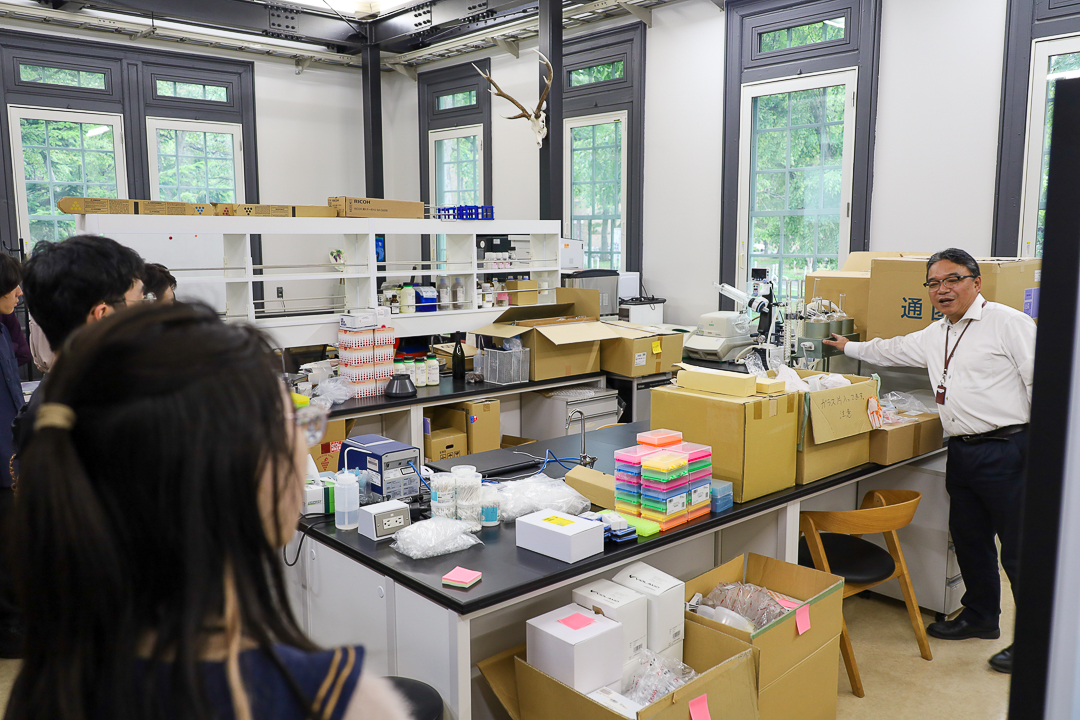
Tour of the Center of Education and Research for Hokkaido Wines (Photos: Miriam Ilsa Arfani)
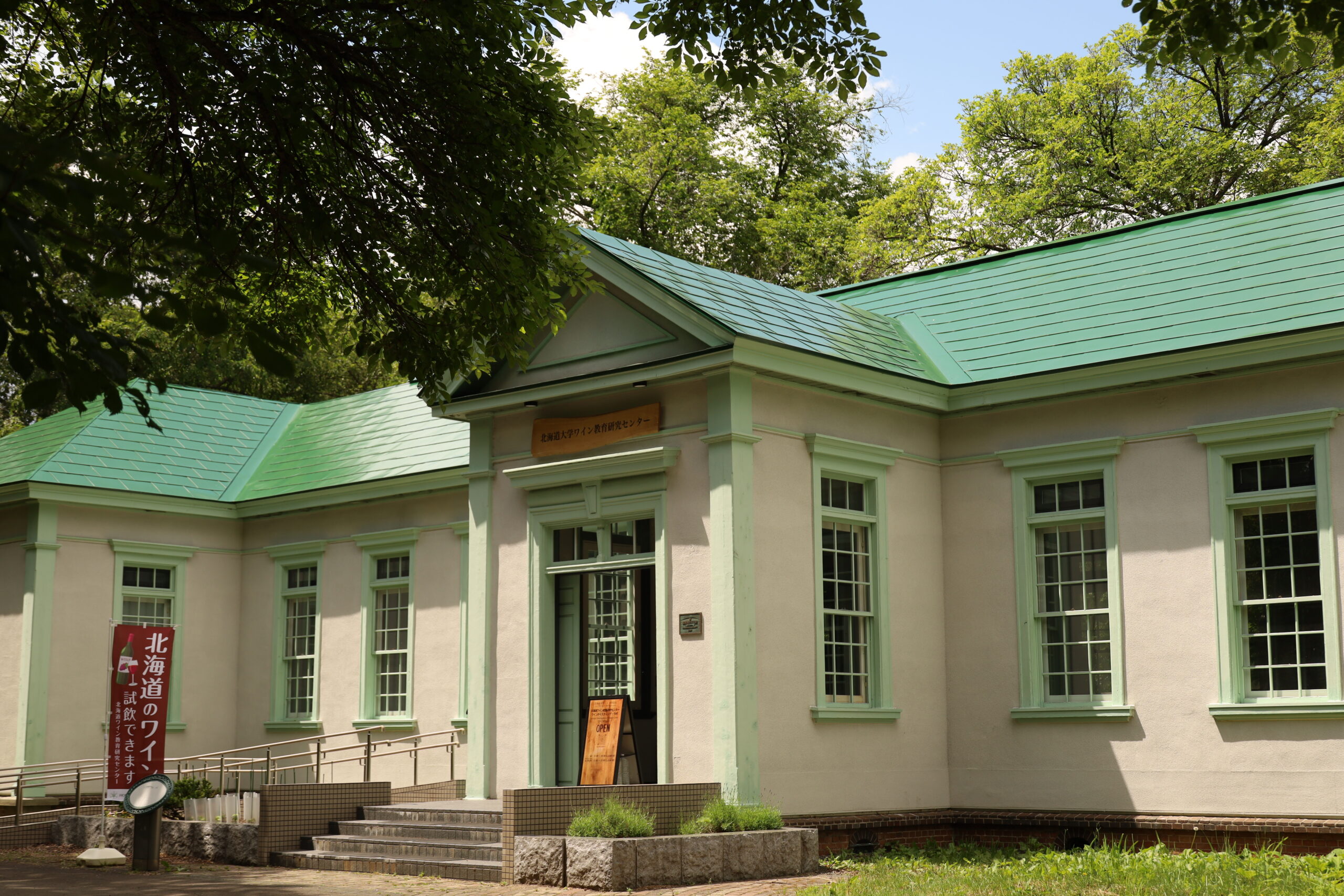
Center of Education and Research for Hokkaido Wines from outside (Photo: Ayumi Hasegawa)

Learning Through Field Experiences

The classroom sessions were followed by field visits to several sites across Hokkaido.

During the weekend fieldwork, participants visited Hokkaido University’s Tomakomai Experimental Forest, where they observed natural, virgin, and secondary forests and visited the ecosystem-monitoring sites.

Through this session, participants gained an understanding of the concept of Nature-based Solutions (NbS), which seeks to address societal challenges by utilizing the power of nature in ways that benefit both ecosystems and human well-being. They also learned about the importance of the university’s long-term, large-scale research and monitoring efforts in its experimental forest.

Professor Masahiro Nakamura giving a lecture in the Tomakomai Experimental Forest (Photo: Institute for the Advancement of Sustainability)

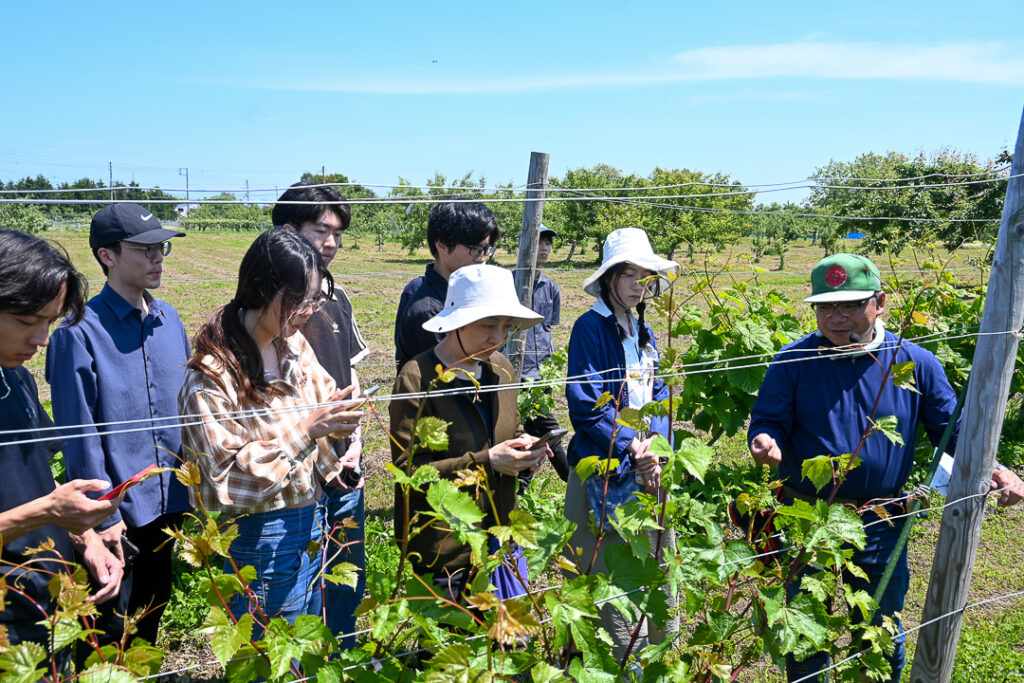
They also visited Hokkaido University’s Yoichi Orchard and NIKI Hills Winery in Niki Town. The visits introduced participants to grape cultivation, winemaking, and marketing, as well as initiatives supporting Hokkaido’s wine industry.

At the Yoichi Orchard, they toured the facilities where wine grapes, haskap berries, apples, and other crops are grown, and learned how they use wine quality analyzers to monitor the fermentation process. At NIKI Hills Winery, they toured the commercial vineyards where wine grapes are grown and observed the winemaking and bottling processes.

Through this series of facility tours, the participants learned that wine offers more than just the appeal of an alcoholic beverage; it also has the power to connect Hokkaido’s diverse regional cuisines and tourism resources, thereby attracting people to the region.

Left: Fieldwork at the Yoichi Orchard, Right: Fieldwork at NIKI Hills Winery
(Photos: Institute for the Advancement of Sustainability)

Through both lectures and field experiences, participants explored the connections between environmental conservation, economic activity, and community well-being. The course offered a unique opportunity to experience Hokkaido’s natural and cultural resources while gaining a deeper appreciation of the challenges and opportunities involved in building a more sustainable future.


HSI 2026 is currently underway and will continue until October 2026.
To learn more, visit the HSI website: https://hokkaidosummerinstitute.oia.hokudai.ac.jp/

Share
  • Facebook
  • X
  • Linkedin
  • Bluesky
  • Threads
View all articles

Related

    • Campus
    HSI Report: Exploring Sustainability Through Wine and Forests
    Jul 07, 2026
    • Campus
    Hokkaido University Holds 2026 Entrance Ceremony at ES CON FIELD HOKKAIDO
    Apr 10, 2026
    • Campus
    Learning Forestry in the Winter Forest: A Field Practicum at Hokkaido University’s Uryu Experimental Forest
    Mar 18, 2026
Hokkaido University
Kita 8, Nishi 5, Kita-ku,
Sapporo, Hokkaido,
060-0808 Japan
+81-11-716-2111
  • Contact Us
  • Sapporo Campus Map
  • Hakodate Campus Map
  • Jobs
  • Give
  • Site Policy
  • Privacy Policy
  • Codes of Conduct
  • The Japan Association of National Universities

Hokkaido University