


On October 25-26, 2025, the Sapporo Campus of Hokkaido University came alive with the sight of harvest-season produce and the sounds of lively conversation. Rows of tents lined the walkway in front of the Faculty of Agriculture, where farmers and students stood side by side, sharing stories and smiles with visitors.
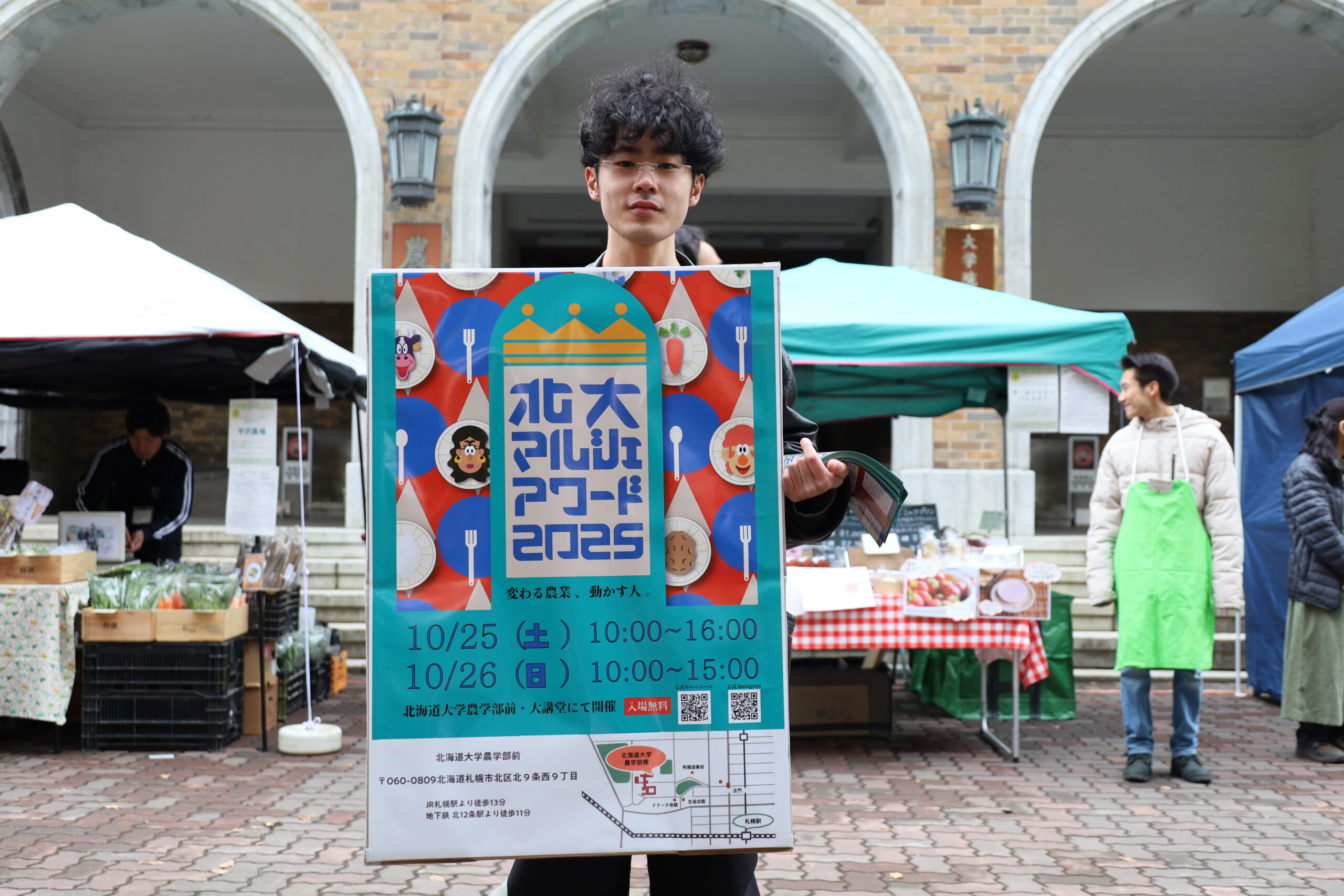
This was the Hokudai Marché Award 2025 (北大マルシェアワード2025), an annual event that blends the warmth of a community market with the insight of an academic forum. The Marché was held throughout both days, turning the faculty into an open-air classroom where producers, students, and the public exchanged ideas over local specialties. On Saturday, October 25, the Marché Award ceremony also took place, honoring people and organizations that have pioneered sustainable agriculture.
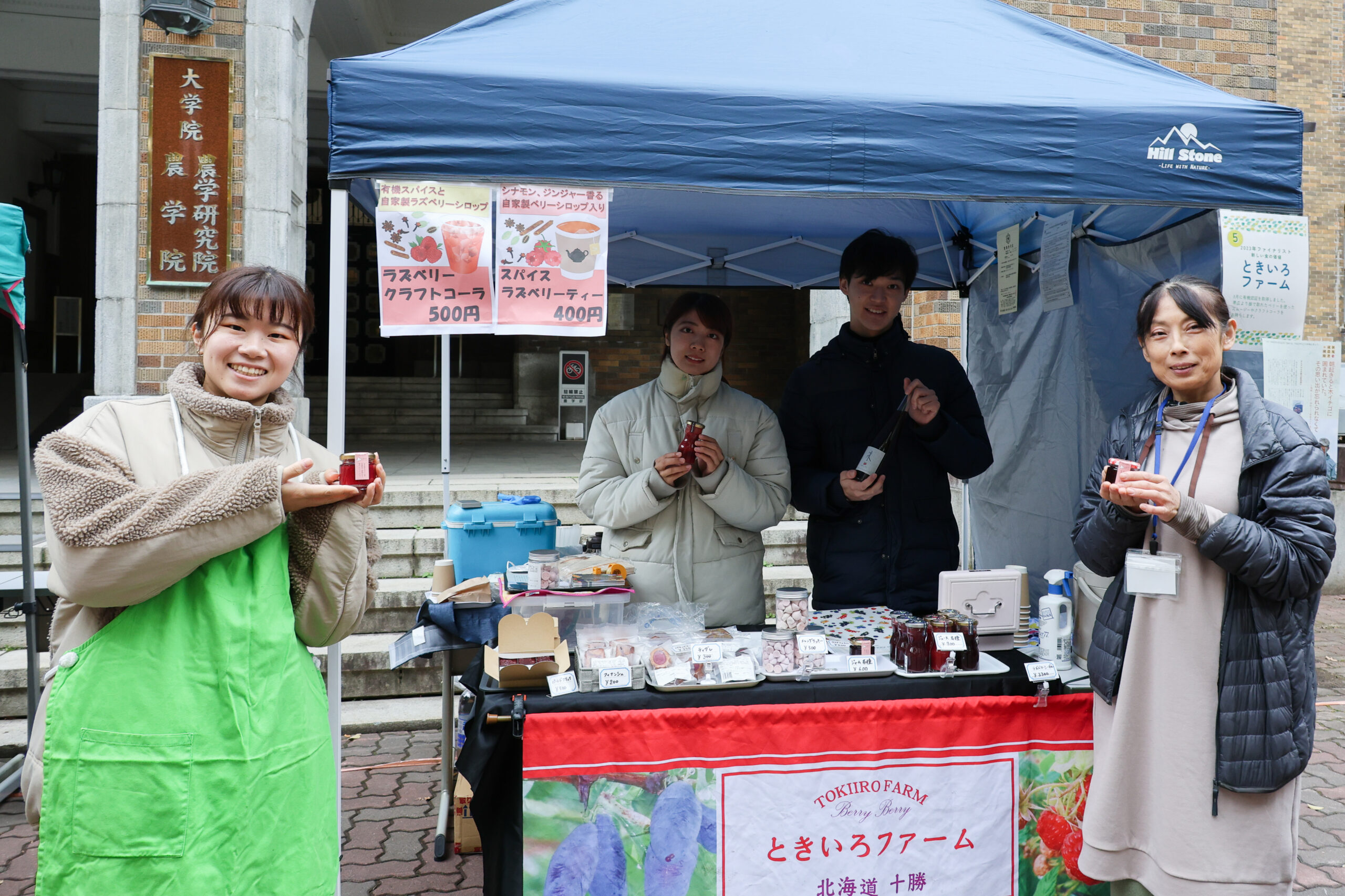
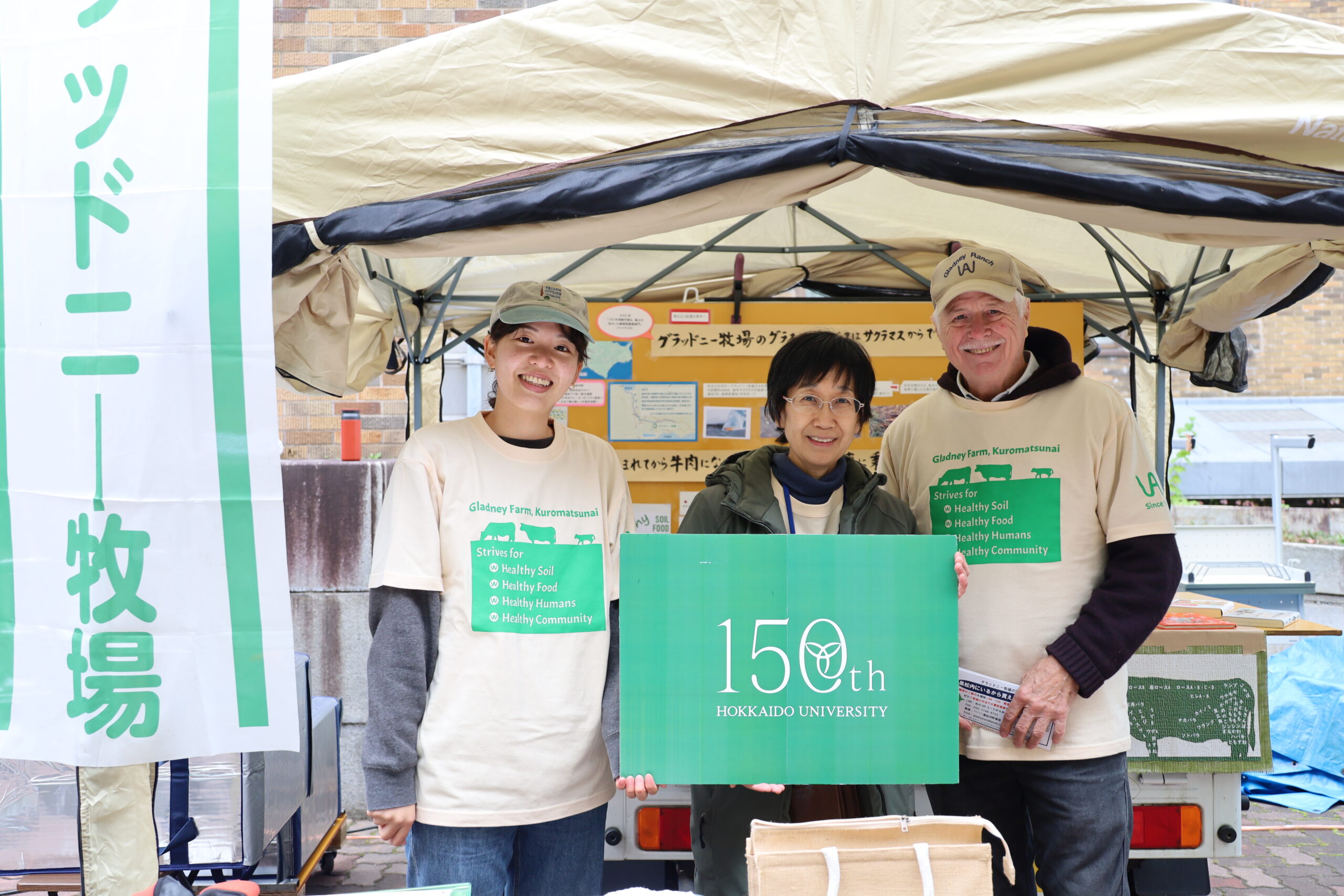
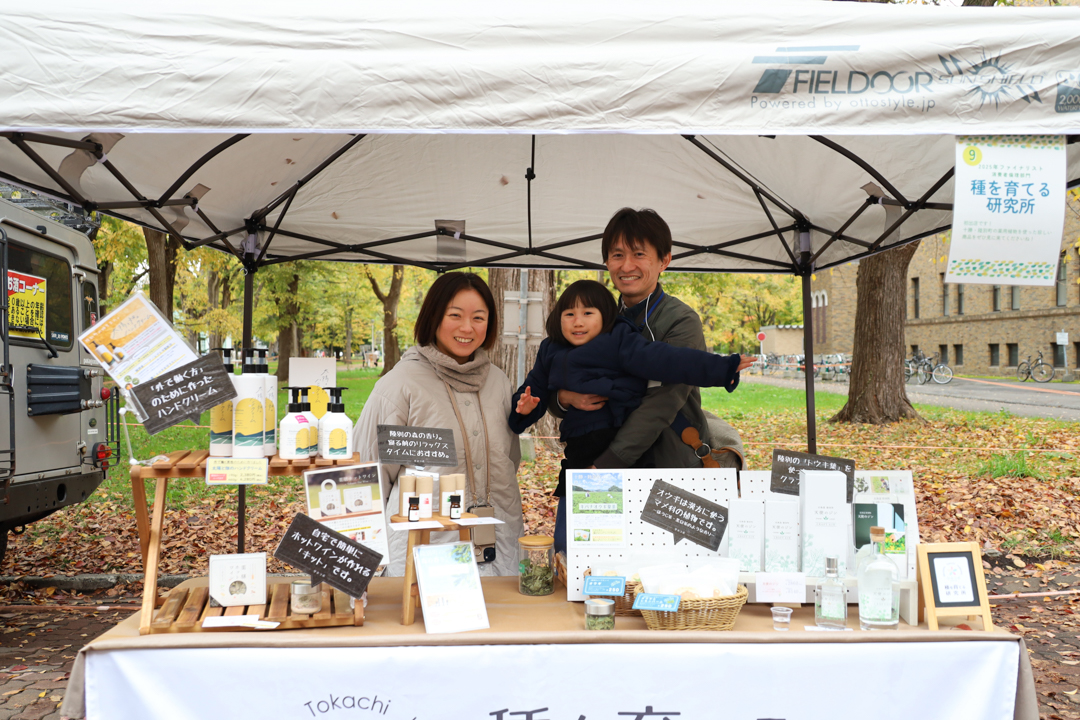
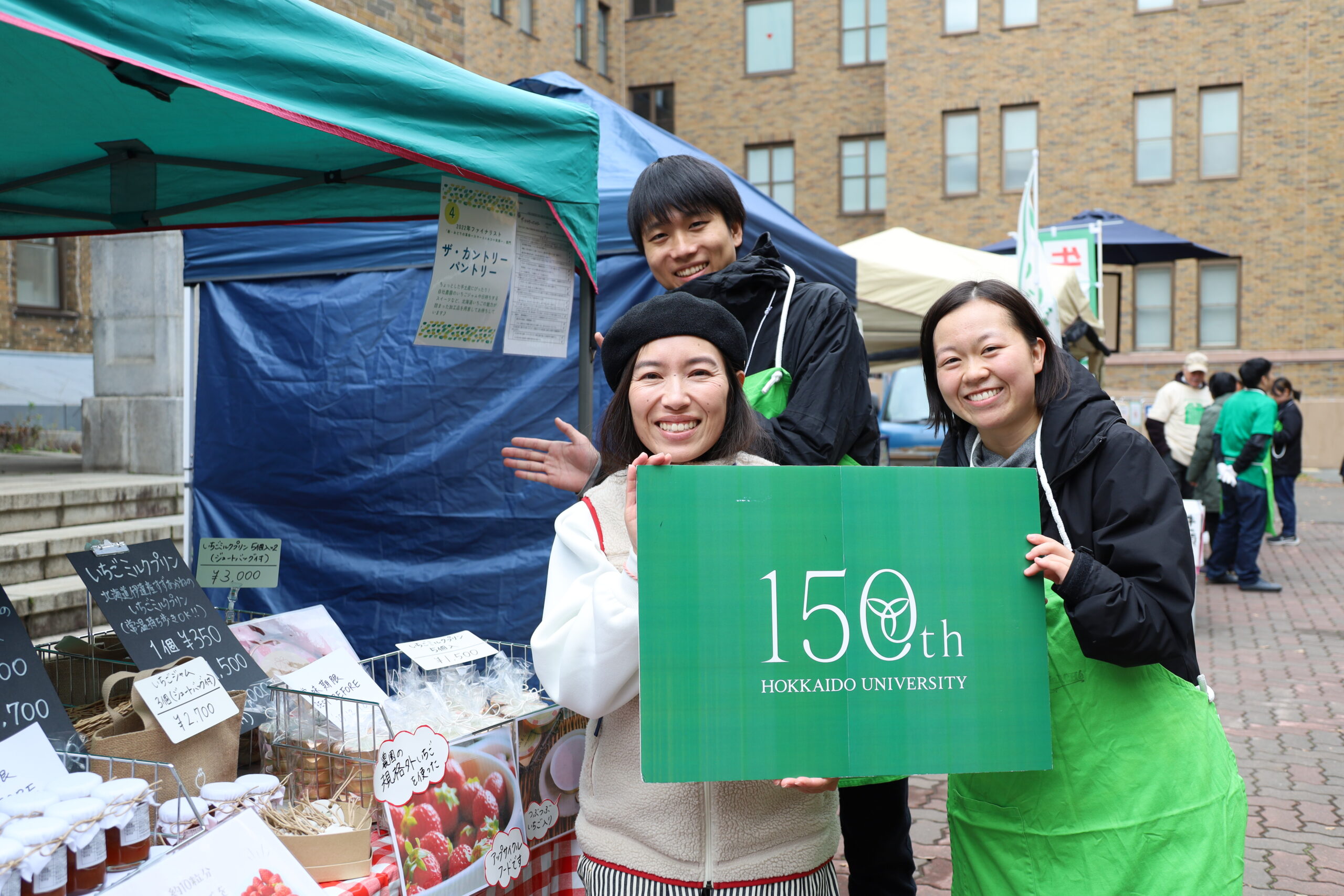
Visitors could explore booths offering everything from locally grown produce and handmade sweets to crafts and regionally made goods. Each stall told a story of place, people, and purpose — woven together by the spirit of sustainability and connection. (A full list of this year’s stores and producers can be found on the official Hokudai Marche Award website.)
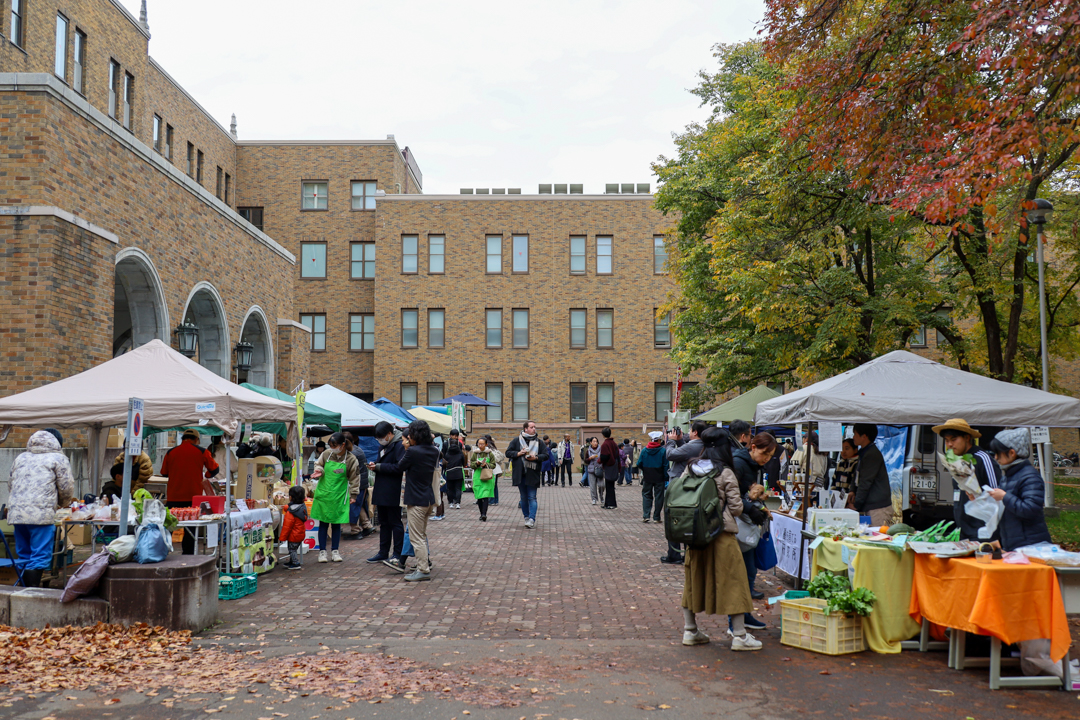
At first glance, it may look like a typical university festival, yet behind the lively atmosphere lies a deeper purpose. The Hokudai Marché Award is a part of a practical class that encourages students to learn directly from those who grow, sell, and consume food. Now in its 16th year, the project has grown into something larger than an event: it has become a movement connecting farmers and consumers, science and society, and tradition and innovation.
Roots and Vision: Kobayashi’s “Living Classroom”
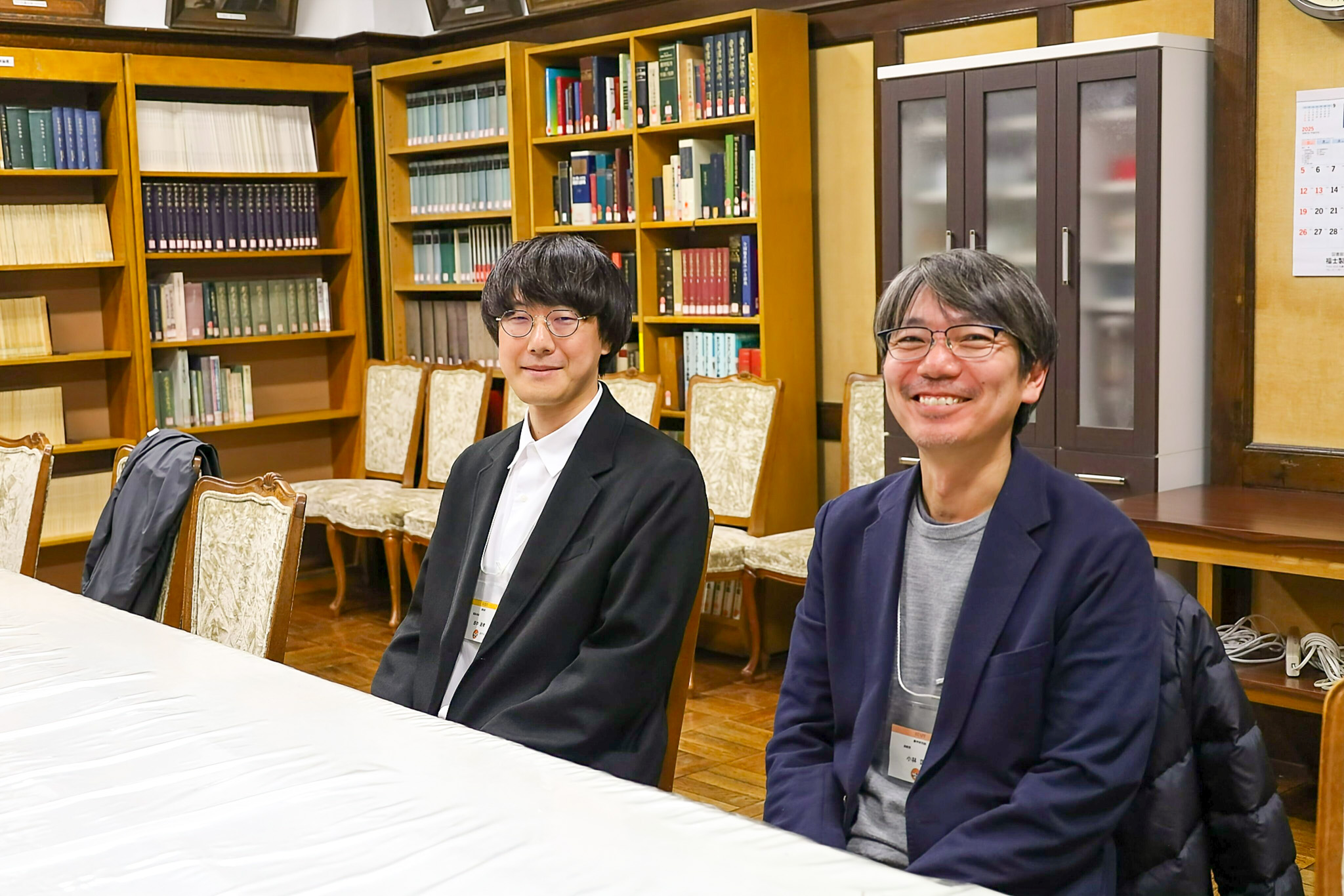
The story of the Hokudai Marché began in 2009, when two associate professors from the Research Faculty of Agriculture, Kuniyuki Kobayashi and Tomohiro Mitani, launched the project as part of their shared course.
They were inspired by the local farmers they saw in France during their visits 18 years ago. There, they saw small local marchés (the French word for “market”) where farmers from rural regions brought their products directly to city consumers. The lively exchange between producers and shoppers left a deep impression on them.
When they returned to Japan, Kobayashi and Mitani wanted to recreate that same atmosphere at Hokkaido University: a space where people could meet, talk, and learn about food beyond the classroom. Over time, this initiative evolved into a year-long course titled “Food Safety and Security Fundamentals (食の安全・安心基盤学)”, where students learn about food systems through real-world experiences—from visiting farms to hosting an event that connects producers and consumers.
After more than a decade, the project took a brief pause during the pandemic. When it returned in 2021, Kobayashi and his students reimagined it with a new purpose: to explore what “value” means in agriculture today. The event shifted from simply showcasing local products in the Marché to introducing the Award, a platform for examining how producers and consumers could co-create sustainable ways of living.
Students Behind the Movement: The 2025 Theme and Award Highlights
Today, the Hokudai Marché Award is managed solely by the students. Each year, a new team takes charge of planning, outreach, and event management—from choosing the annual theme to inviting finalists and organizing the two-day market.
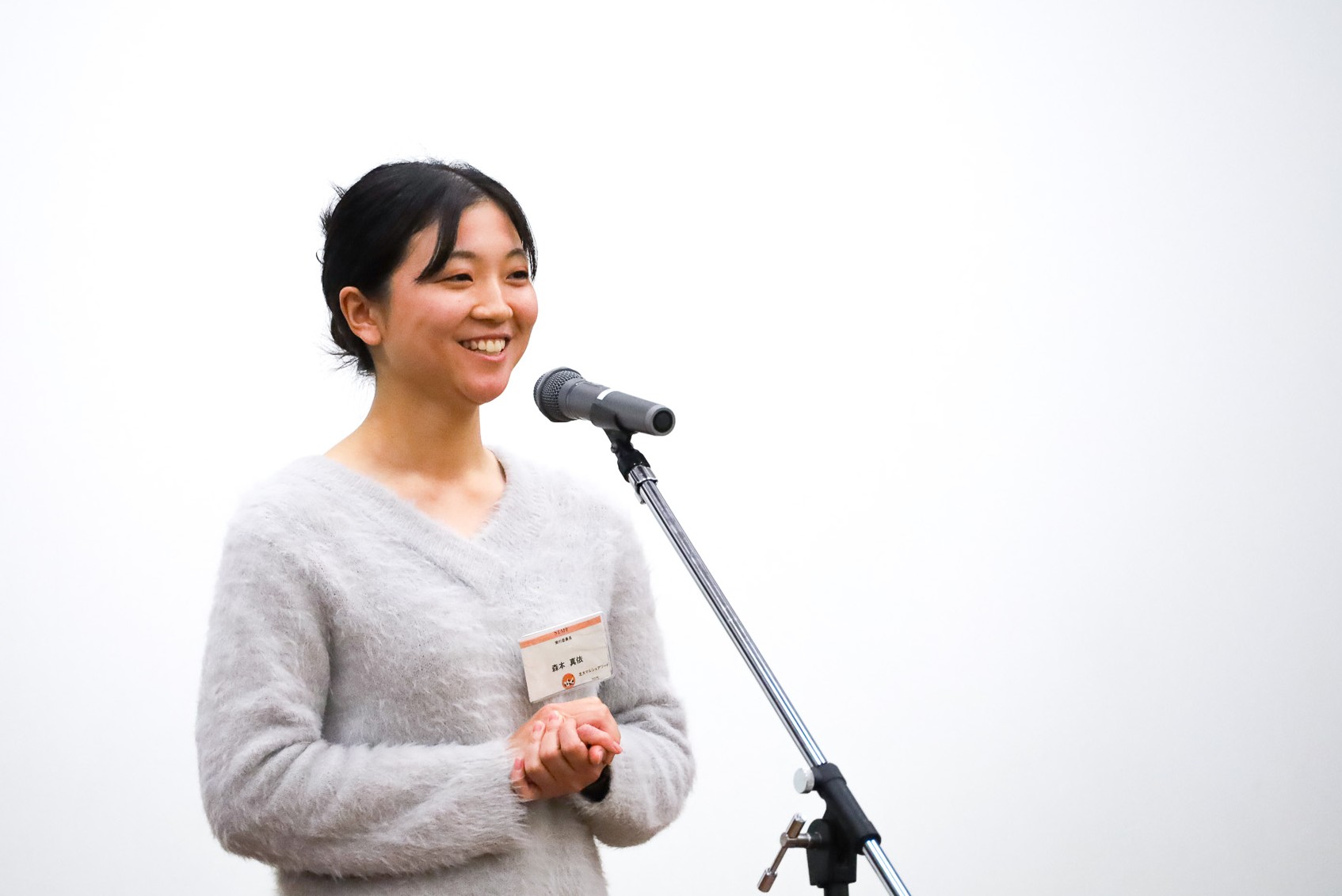
This year’s theme was guided by Kobayashi’s question given to the students: “What should agriculture look like 20 years from now?” Under his guidance, the student committee—led by Mai Morimoto, a master’s student in the Graduate School of Agriculture—spent months discussing what agriculture would need to remain sustainable. Through these conversations, they decided on the theme “Changemakers in Agriculture (変わる農業を動かす人).”
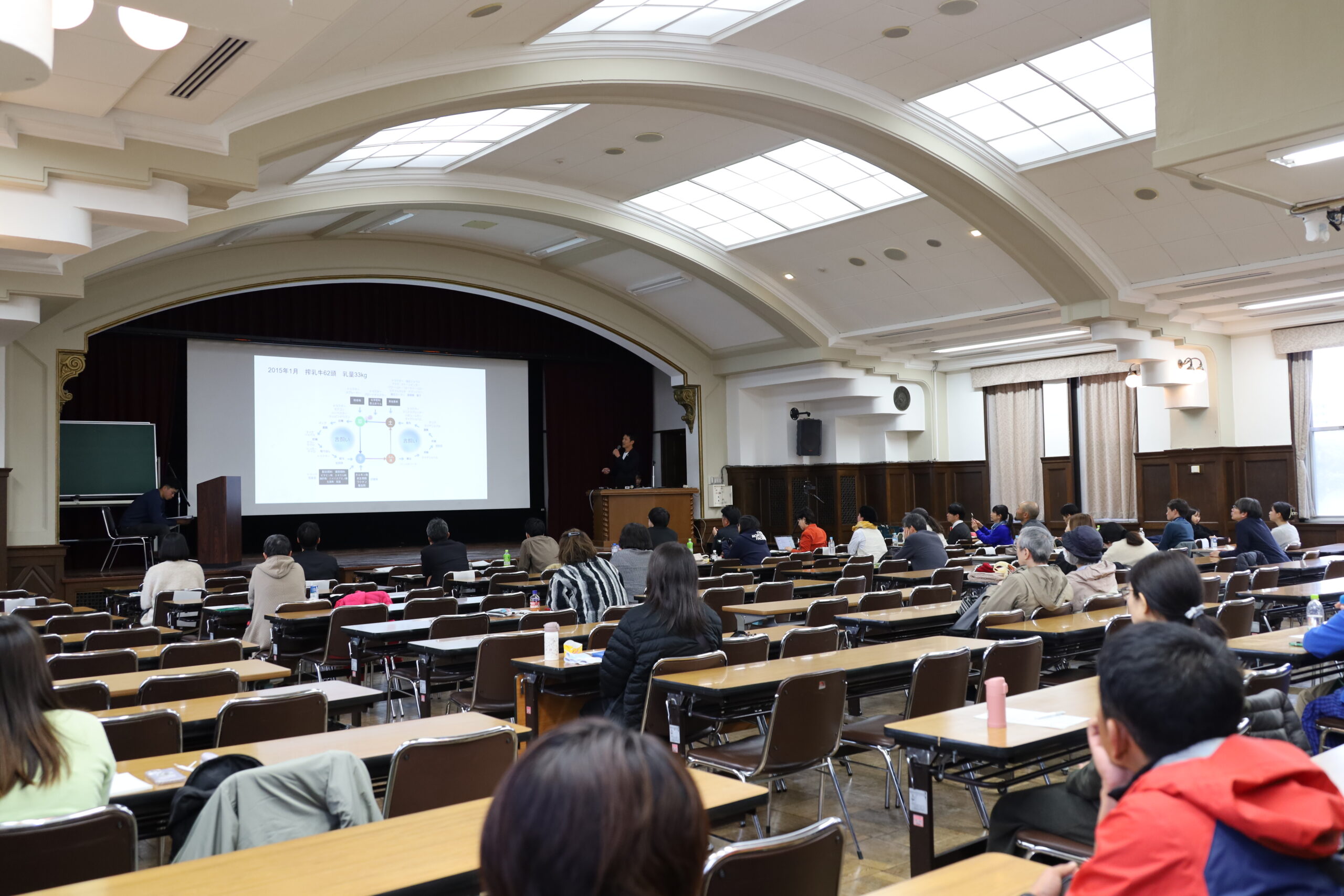
Under this theme, they divided the Award into two categories: ‘Consumer Ethics’ and ‘Environment.’ The Consumer Ethics category focused on groups that communicate agricultural value to consumers by helping them rethink how and why they choose their food. The Environment category highlighted producers working toward sustainability through practices such as no-till cultivation and organic farming. On October 25, six finalists took the stage at the Faculty of Agriculture to share how they are driving change in agriculture through their work and values.
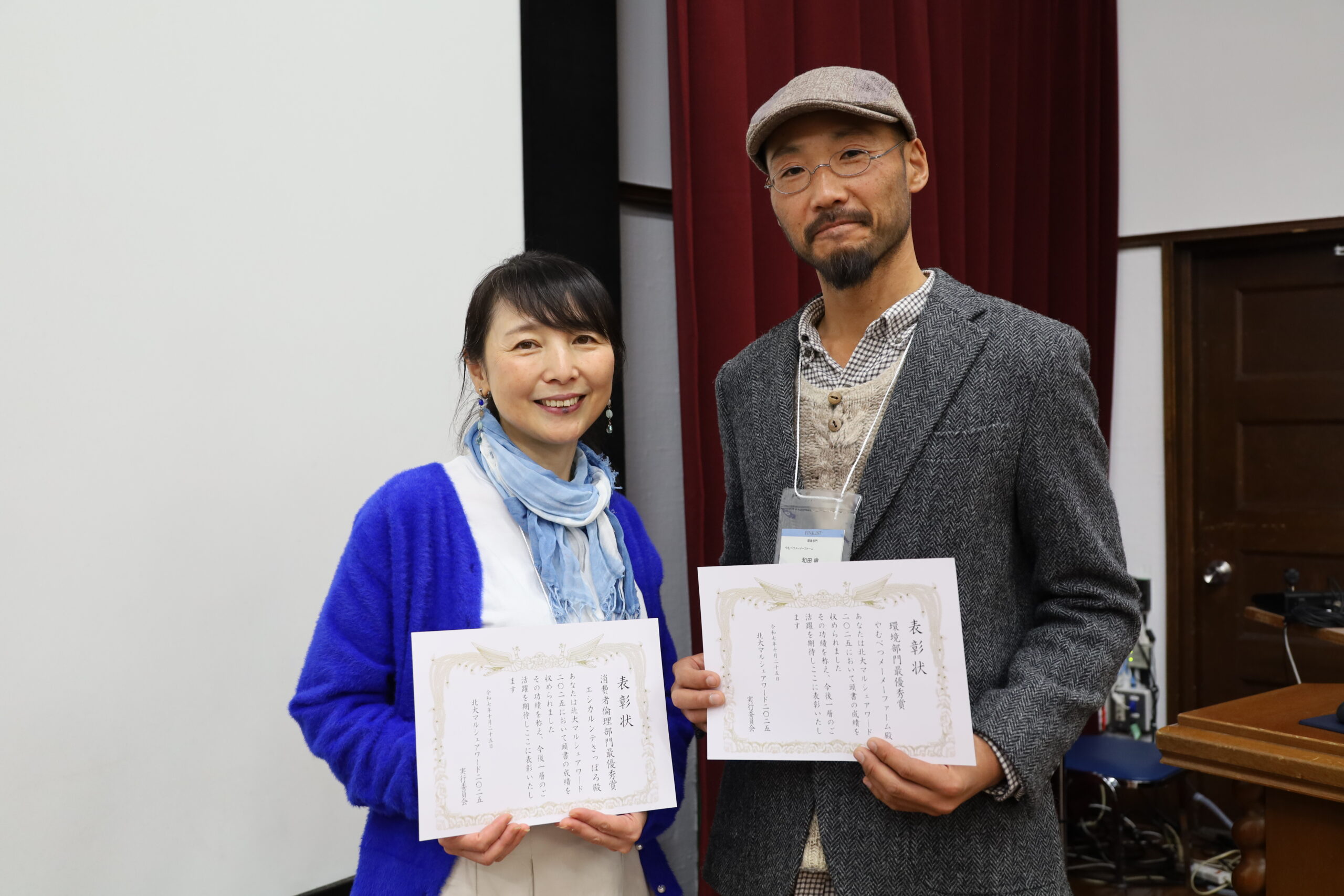
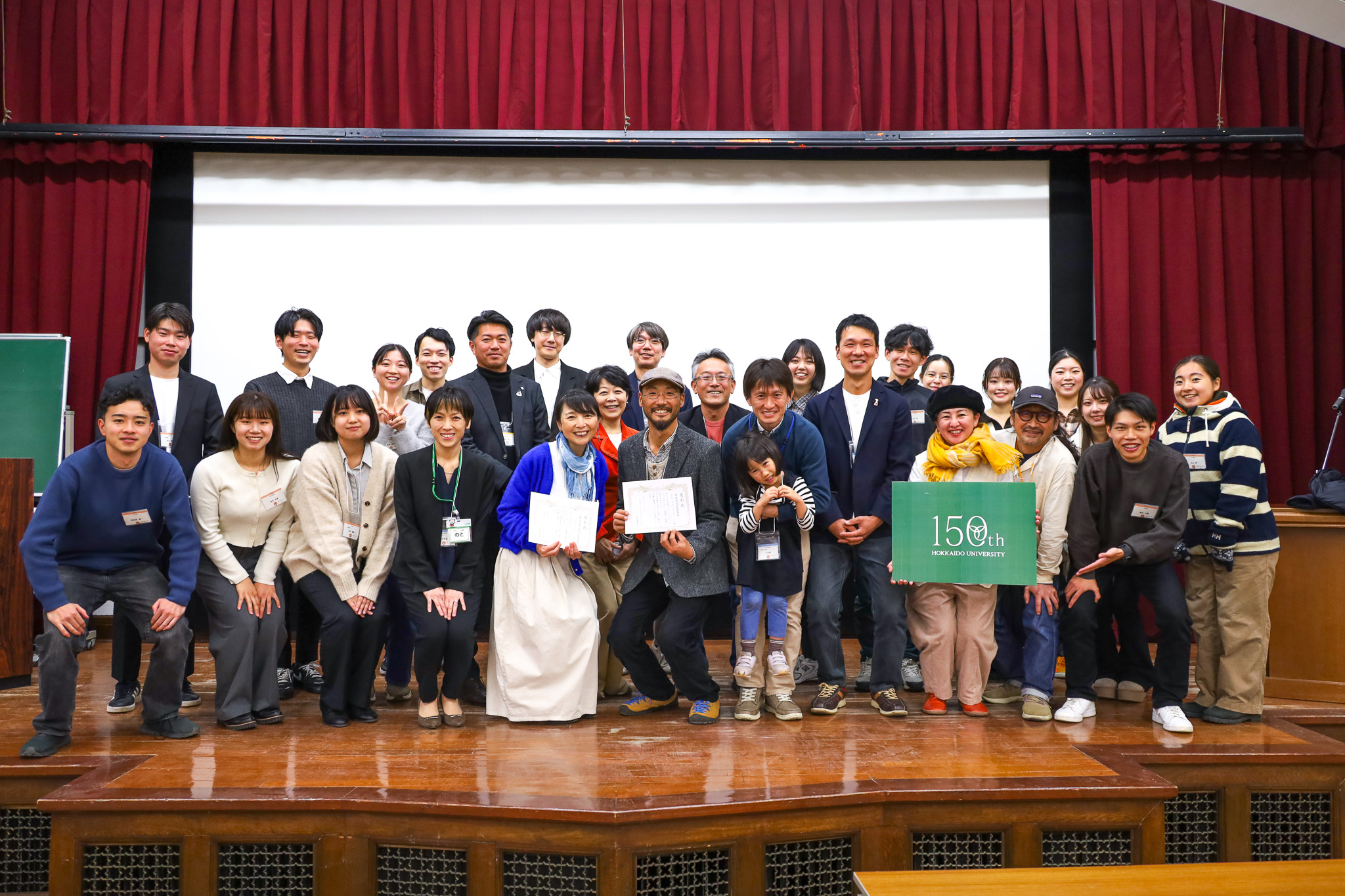
The Consumer Ethics Award went to Ethicarunte Sapporo, represented by Futami Yanagida. Their work centers on nurturing a “cycle of life and smiles” through community-based initiatives such as providing ethical school lunches, running a community garden, and hosting food-agriculture-environment education events. Their message was simple yet powerful: small choices can change the future.
The Environment Award was given to Yamubetsu Mehmeh Farm, led by Toru Wada. The farm practices its own version of regenerative agriculture, questioning the limits of conventional, input-intensive farming and experimenting with methods such as cover cropping and no-till cultivation. By reducing dependence on chemical fertilizers and external resources, they aim to build healthier soils, strengthen local communities, and demonstrate that sustainability and productivity can coexist.
Continuing the Connection
What began 16 years ago as a small experiment in agricultural education has now become a living network. For Kobayashi, the Hokudai Marche Award is not just a university event but a community that keeps expanding outward—linking farmers, consumers, students, and alumni across Hokkaido.
Since combining the market with the Award, the project has entered its 5th year in this format, steadily widening its circle of conversation and collaboration. Each new student committee carries that original purpose forward: connecting people and perspectives through real encounters on stage, at stalls, and in the many small conversations that happen throughout the weekend. The result is an ongoing dialogue about how food connects places and lives, and about the choices that will shape agriculture over the next 20 years.
Photos by Ayumi Hasegawa & Natsuko Koyasu, PRC