Skip to content
  • catcHUp
  • Give
  • JA
    • President’s Message
    • HU Vision 2030
    • HU Global Vision 2040
    • 150th Anniversary
    • Hokkaido Universal Campus Initiative
    • Sustainability Declaration
    • Diversity, Equity, and Inclusion (DEI)
    • aynu sisam urespa ukopirkare us i/Ainu and Indigenous Peoples
    • Philosophies
    • History
    • In Numbers
    • Awards
    • Honorary Degree Recipients
    • University Symbol
  • Sustainability
  • Campus
    • General Organization
    • Governing Organization
    • Administrative Organization
  • Institutes/Offices
    • University Library
    • University Museum
    • University Hospital
    • Veterinary Teaching Hospital
    • Health Care Center
    • Training Vessels
    • Experimental Forests and Farms
    • Aquatic Research Stations
    • Archaeological Research Center
    • University Archives
    • Event and Seminar Spaces
    • Gardens and Parks
    • Shops
    • Restaurants/Dining
  • Brochures
    • Public Relations Contact
    • Press Room
    • Social Media
    • E-Newsletter
    • Law
    • Fisheries Sciences
    • Environmental Earth Science
    • Science
    • Pharmaceutical Sciences
    • Agriculture
    • Life Science
    • Advanced Life Science
    • Education
    • Media, Communication, and Tourism
    • Health Sciences
    • Engineering
    • Chemical Sciences and Engineering
    • Economics and Business
    • Medicine
    • Dental Medicine
    • Veterinary Medicine
    • Biomedical Science and Engineering
    • Infectious Diseases
    • Global Food Resources
    • Humanities and Human Sciences
    • Information Science and Technology
    • Public Policy
    • Low Temperature Science
    • Electronic Science
    • Genetic Medicine
    • Catalysis
    • Zoonosis Control
    • Slavic-Eurasian Research
    • Information Initiative
    • Chemical Reaction
    • Vaccine
    • Food and Medical
    • Joint Facilities/Research Centers
    • Advancement of Higher Education
    • Advancement of Graduate Education
    • Center for Open Education
    • Student Advice and Counseling
    • Career Center
    • Human Resource Education
    • Joint Facilities/Educational Centers
    • Nitobe College
    • One Program for Global Goals
    • Cooperative Research Guidance and Double Degree Program
    • Outbound Programs
    • Open Courseware
    • Climate Change
    • SDGs Interviews
    • Spotlight on Research
    • Tackling Global Issues
    • Find an Academic Paper
    • Find a Researcher
    • Find Grant
    • Global Research and Education
    • Integrated Innovations
    • Business-Regional Collaboration
    • Program for Forming Japan’s Peak Research Universities (J-PEAKS)
    • Cross-ministerial Strategic Innovation Promotion Program (SIP)
    • COI-NEXT
    • Undergraduate Admissions Overview
    • Modern Japanese Studies Program
    • Integrated Science Program
    • Graduate Admissions Overview
    • Application Steps
    • Study in English
    • Study in Japanese
    • Hokkaido Summer Institute (HSI)
    • Short-Term Exchange in English (HUSTEP)
    • Japanese Language and Culture (JLCSP)
    • Special Auditor & Special Research Student
    • Scholarships for Prospective Students
    • Student Fees
    • Financial Support
  • Campus Life Overview
  • Japanese Language Courses
  • Health Care
  • Student Dormitories
  • Researcher’s Accommodation
  • Sport and Recreation
  • Clubs and Societies
  • Career Support
  • Students and Staff Communities
  • University Festivals
  • Discover Hokkaido
    • Inter-University Exchange Agreements
    • Departmental Exchange Agreements
    • International Consortia
  • International Visits
    • Seoul National University
    • The University of Melbourne
    • The University of Massachusetts Amherst
  • Global PR Ambassador
    • International Student Growth
    • Number of International Students
  • Strategy and Organization
  • Sapporo Campus
  • Hakodate Campus
  • Information Center (Sapporo)
  • Shuttle Bus
  • Sapporo Campus Map
  • Hakodate Campus Map
    • Academic Information (ELMS)
    • Wi-Fi and the Campus Computer Network
    • How to Use Libraries
    • Syllabus Search
    • Logo Guidelines (internal-only)
    • About Press Releases (internal-only)
    • Starting a Social Media Account (internal-only)
    • Find Translated Database (internal-only)
    • Campus AEDs
    • Safety Confirmation System
    • Preventing Harassment
  • Information for International Colleagues
  • Information for International Students
  • HANDBOOK for International Students
  • Alumni
Hokkaido University
magazin-article

Advancing global collaboration through science: Hokkaido University hosts Sakura Science Exchange Program 2026

  • Campus
  • Engineering
  • Academic
  • Technology
Apr 01, 2026
Megha Kalra & Miriam Ilsa Arfani, Public Relations & Communications Division (PRC)

In February 2026, Hokkaido University welcomed international students and researchers through the Japan Science and Technology Agency’s Sakura Science Exchange Program, a short-term exchange initiative designed to foster collaboration in science, technology, and innovation. 

The Sakura Science Exchange Program invites talented young researchers from around the world to experience Japan’s cutting-edge research environment while building lasting academic partnerships. 

At Hokkaido University, two distinct programs were conducted under this initiative, each offering participants hands-on learning opportunities for academic exchange in specialized fields. 

Rethinking ethical mining through technology

One program brought together eight researchers from Aksum University, Ethiopia, for a two-week collaboration focused on ethical mining and responsible mineral sourcing. As global demand for mineral resources continues to rise, the program explored how emerging technologies can help address environmental and social challenges in the mining sector.

Led by Assistant Professor Natsuo Okada of the Resource Management Laboratory in the Faculty of Engineering, Hokkaido University, participants examined how blockchain technology could improve transparency in mineral supply chains. With traditional systems often relying on fragmented and paper-based tracking, blockchain offers a secure and traceable alternative—enabling verification of mineral origins and reducing risks of fraud or unethical practices.

“It has been a very rewarding program for learning and thinking critically about this topic, with its many nuances,” said Assistant Professor Okada.  “Participants appreciated the opportunity to dive deep into the complexities of ethical mining and how technology can help address them.”

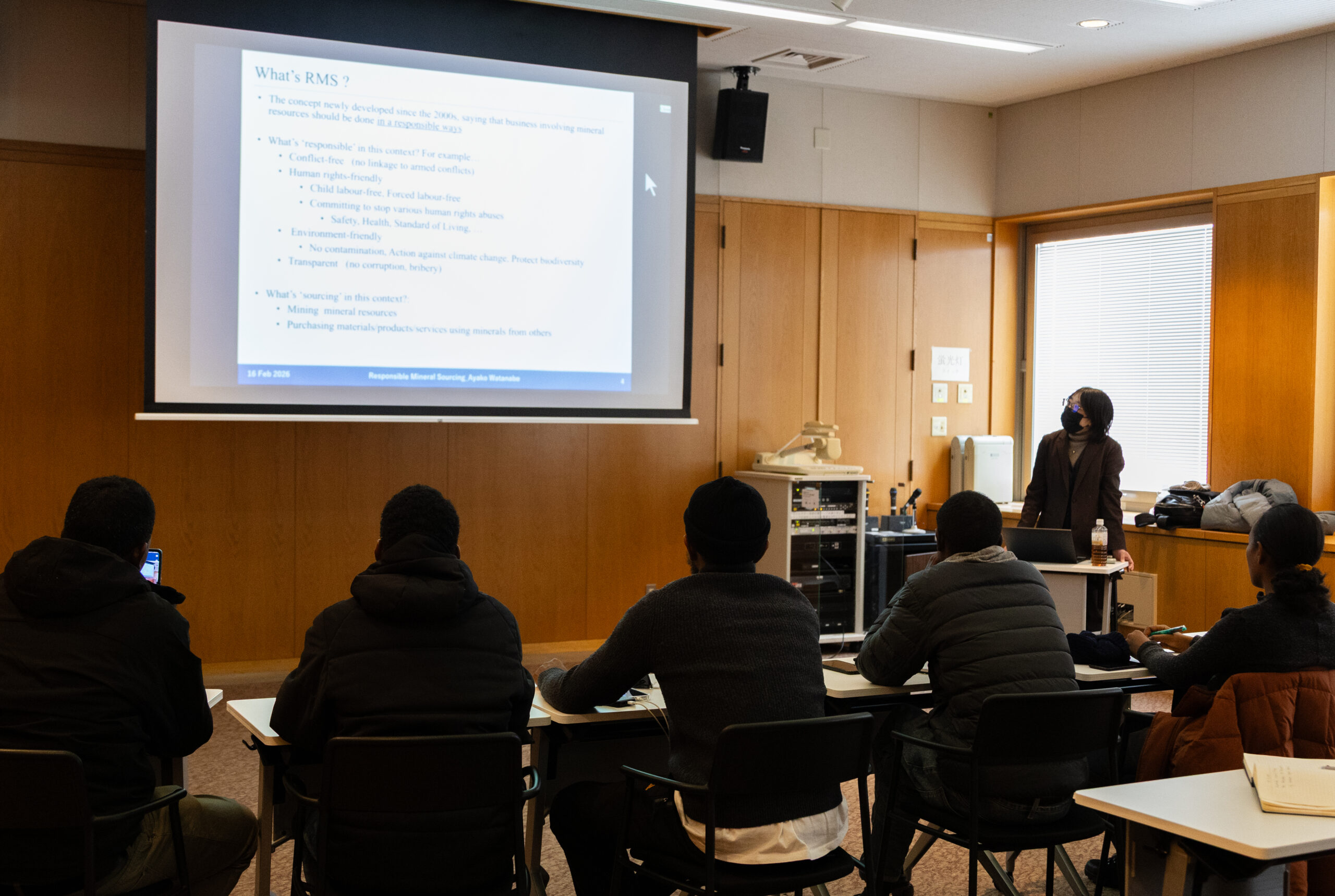
The program combined technical learning with broader discussions on governance, human rights, and environmental impact, supported by lectures from experts, including researchers from Akita University and professionals from Kushiro Coal Mine.
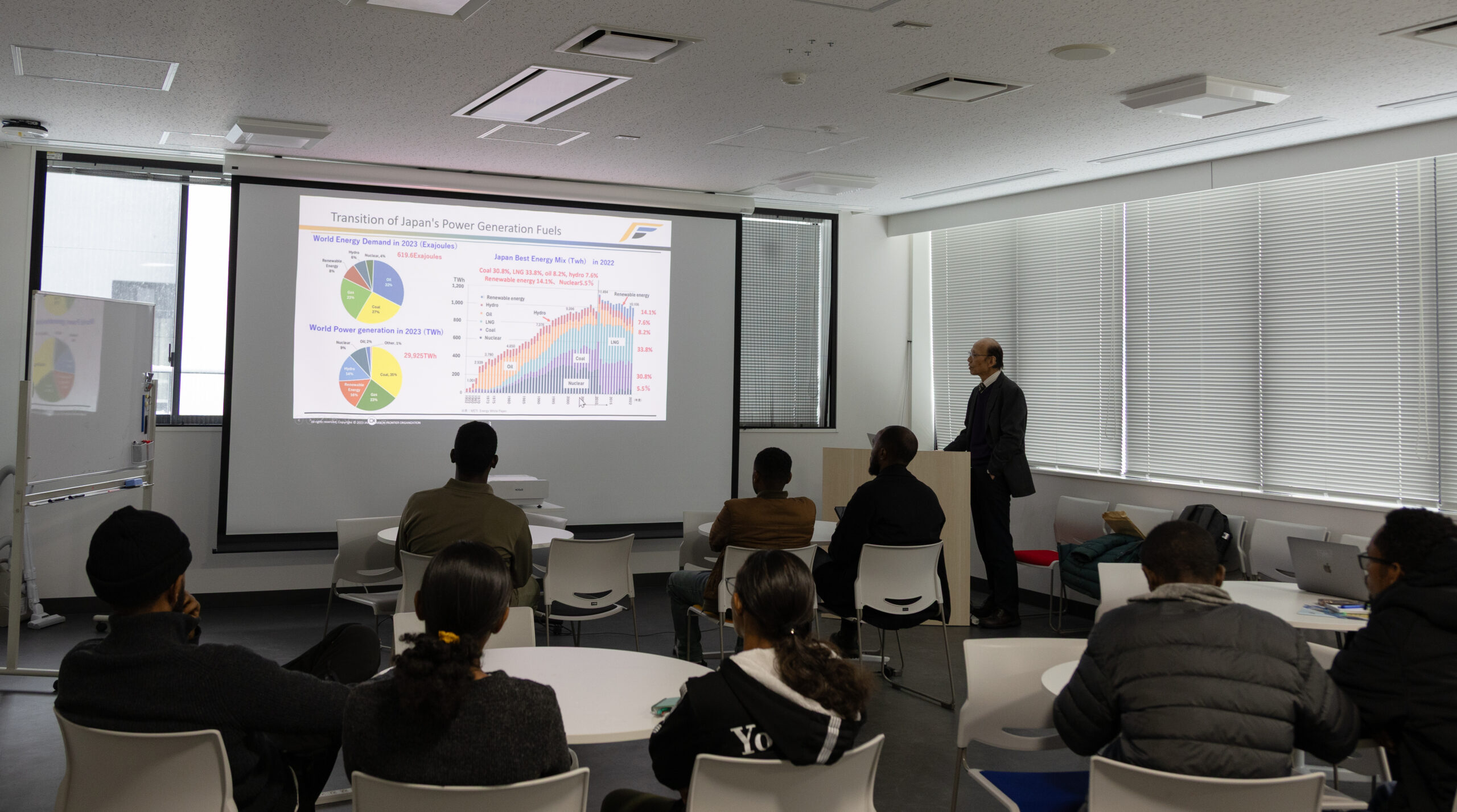
Left: Mr. Hiroyuki Matsumoto of Kushiro Coal Mine presented on Japan’s mining trends.
Right: Assistant Professor Ayako Watanabe of Akita University gave a lecture on human rights issues related to mining.

Field visits and hands-on training (e.g., mine modeling and digital simulations) helped participants connect theory with practice, highlighting both technological solutions and the importance of interdisciplinary approaches to more sustainable and responsible mining.
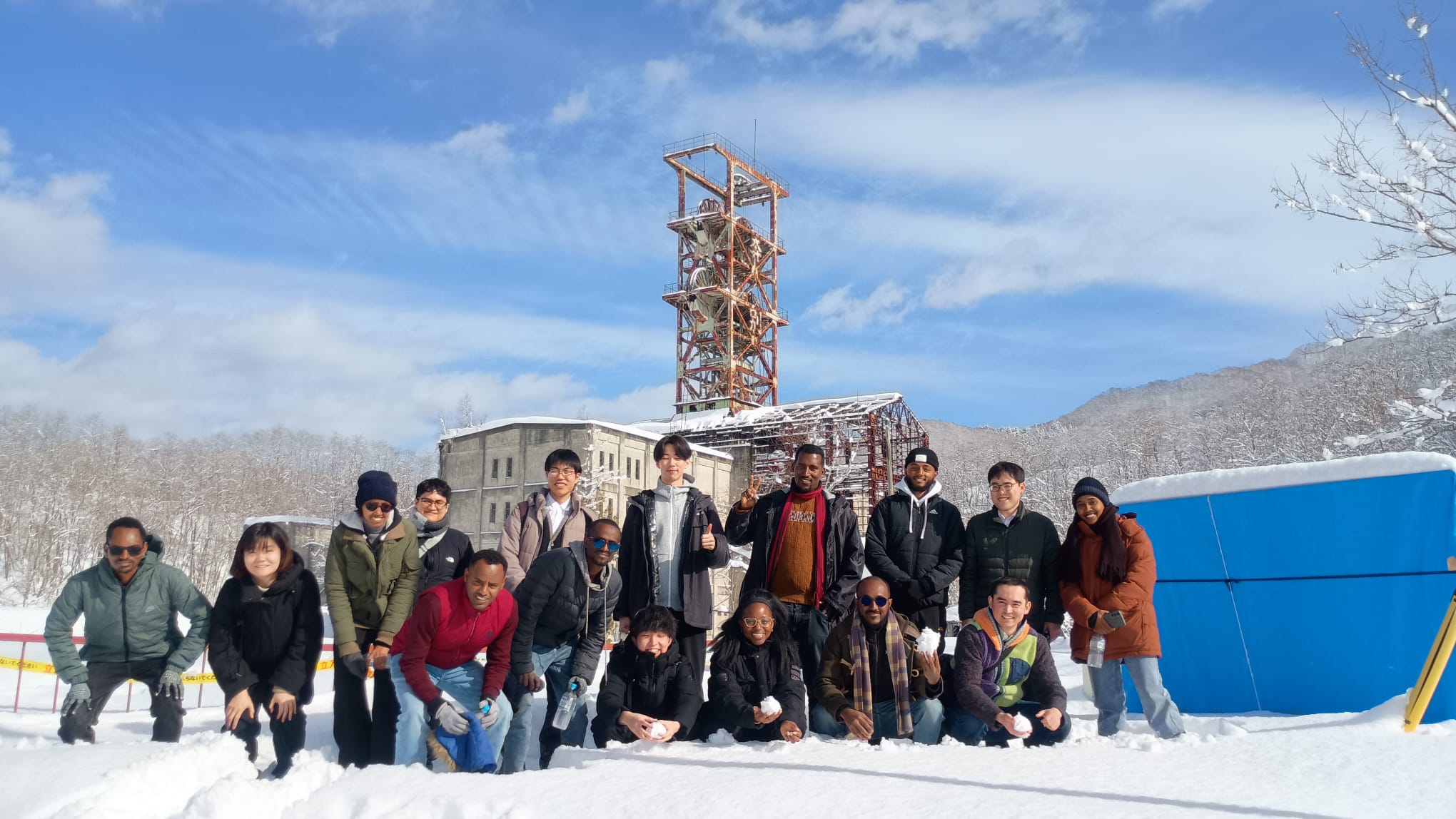
Aksum University researchers on a field visit to H-UCG Plant in Mikasa city (Photo by Natsuo Okada)

Exploring the nanoscale at the Laboratory of Topological Science and Technology

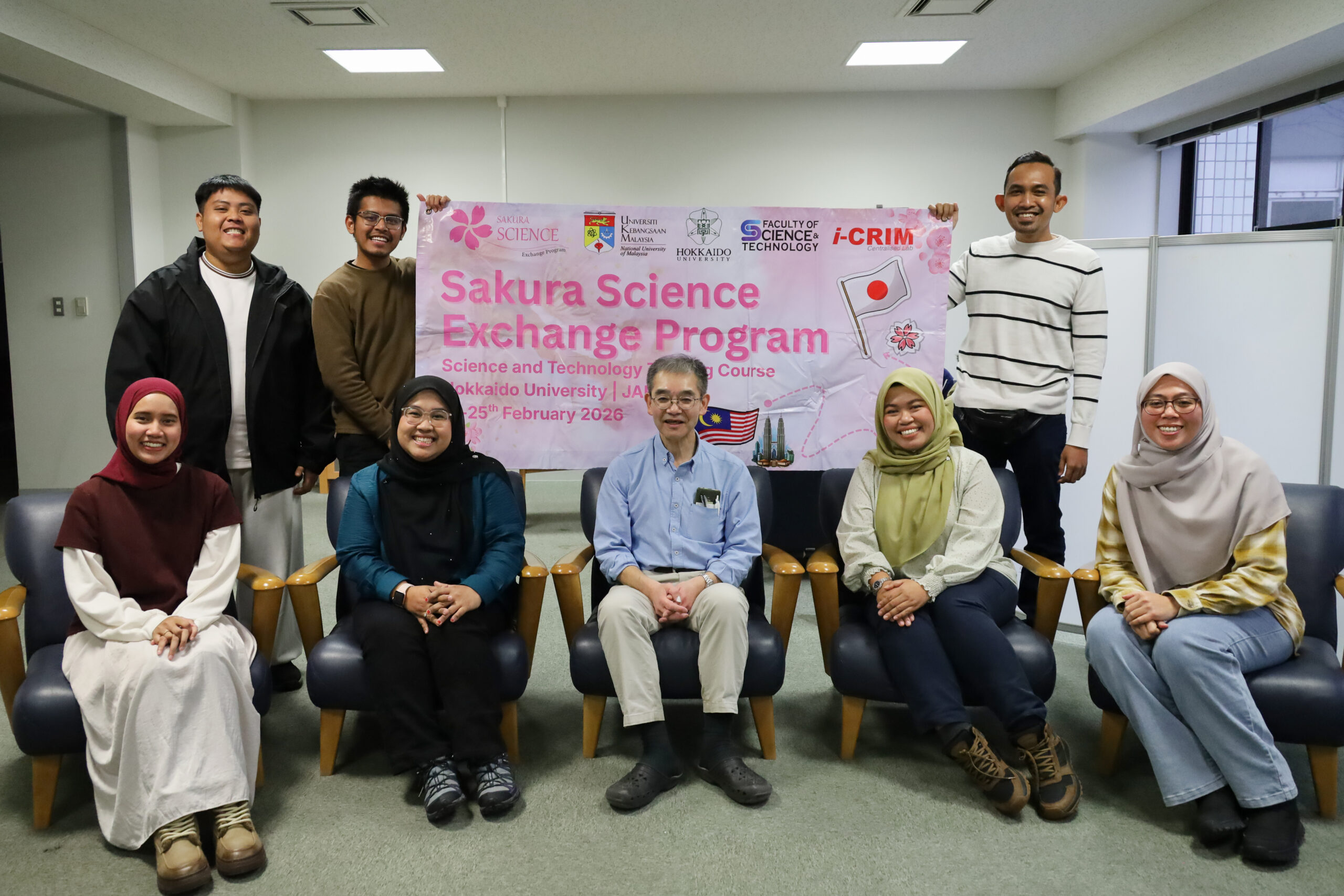
In another program, eight members of the National University of Malaysia, including students, researchers, and technical staff members, participated in hands-on training at the Laboratory of Topological Science and Technology in the Faculty of Engineering, Hokkaido University, under the guidance of Professor Koichi Ichimura.
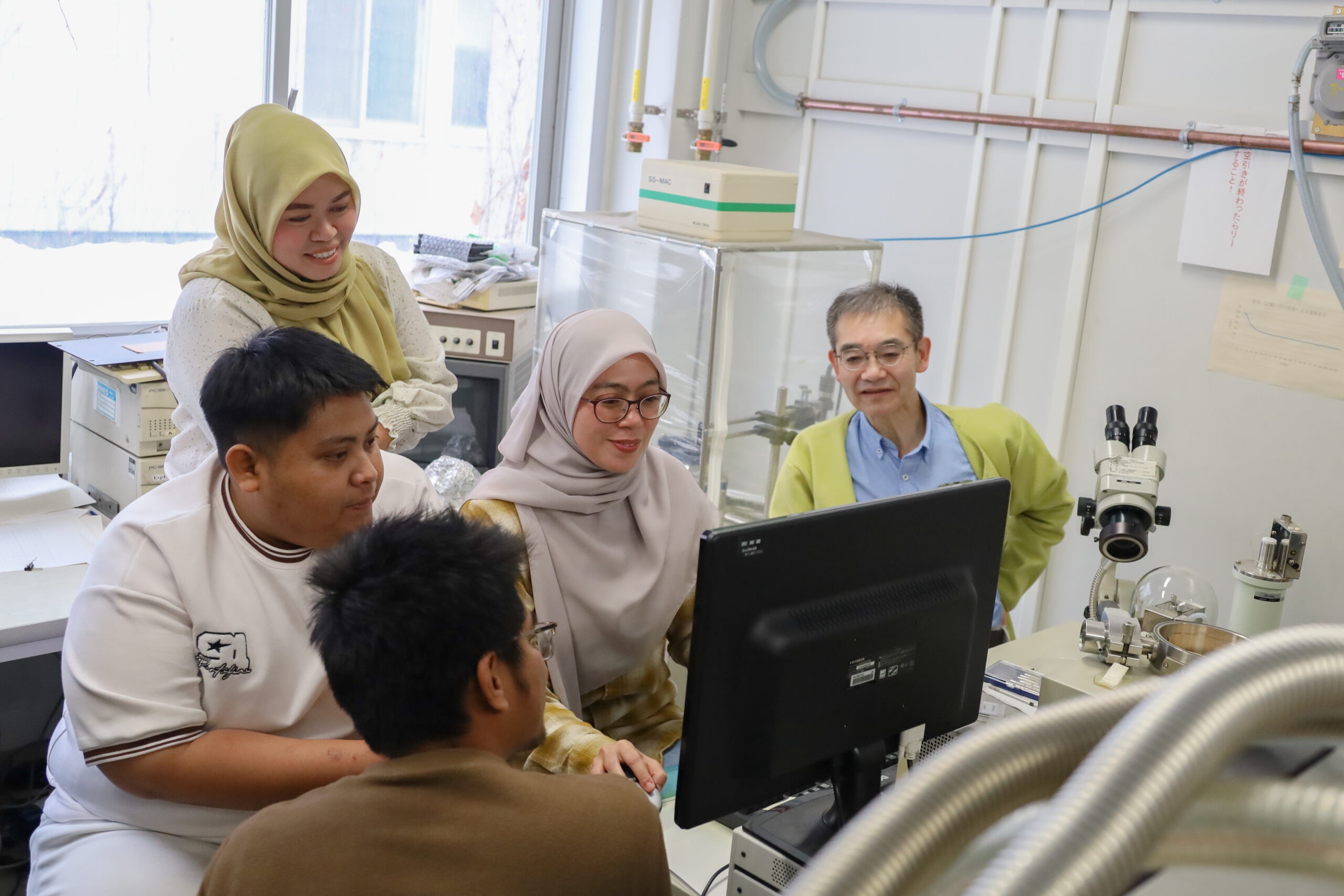
Professor Ichimura (right) with the members of National University of Malaysia

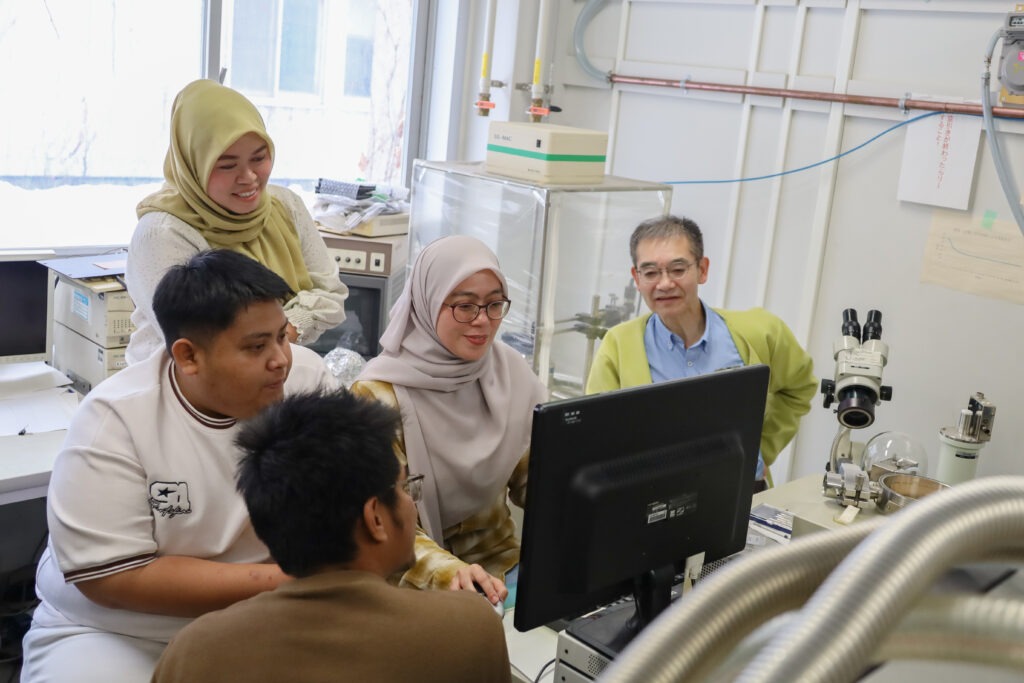
The program focused on skill development in operating a Scanning Tunneling Microscope (STM), where participants learned to observe tunneling current signals and interpret how they translate into nanoscale surface images. The sessions also encouraged discussion, with participants sharing their own research experiences back home. 
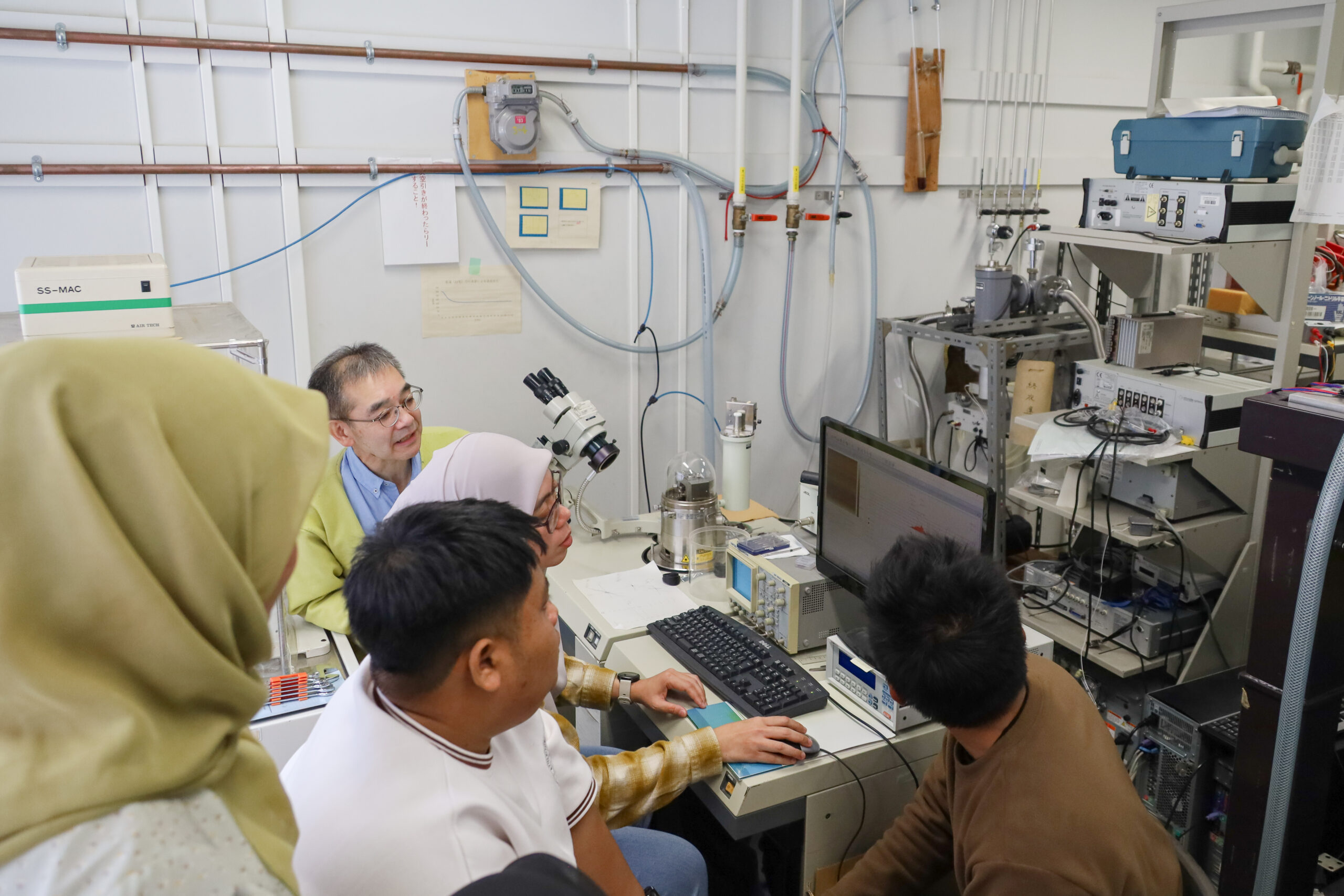
Participants experimenting with STM under the guidance of Professor Ichimura

Professor Ichimura also introduced his research on DNA oligomers using STM and scanning tunneling spectroscopy, prompting participants to reflect on how these approaches could be applied to their own work. 

In the latter half of the program, participants presented what they had learned during this program. Some described STM as a “highly advanced technology” and the program as “a highly valuable and enriching scientific experience.” Some also added that they were “brimming with ideas on how to apply the knowledge back in their home university.”
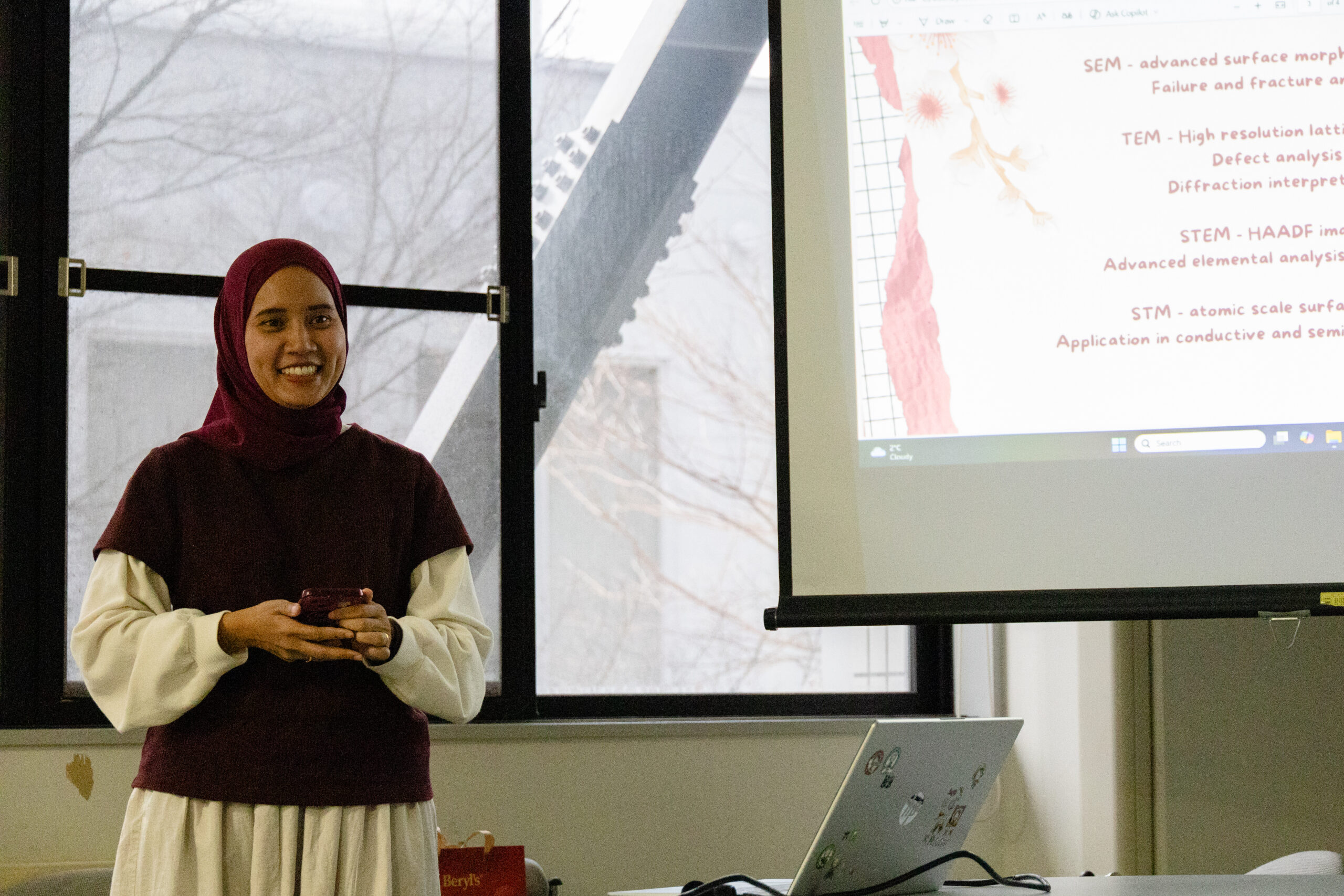
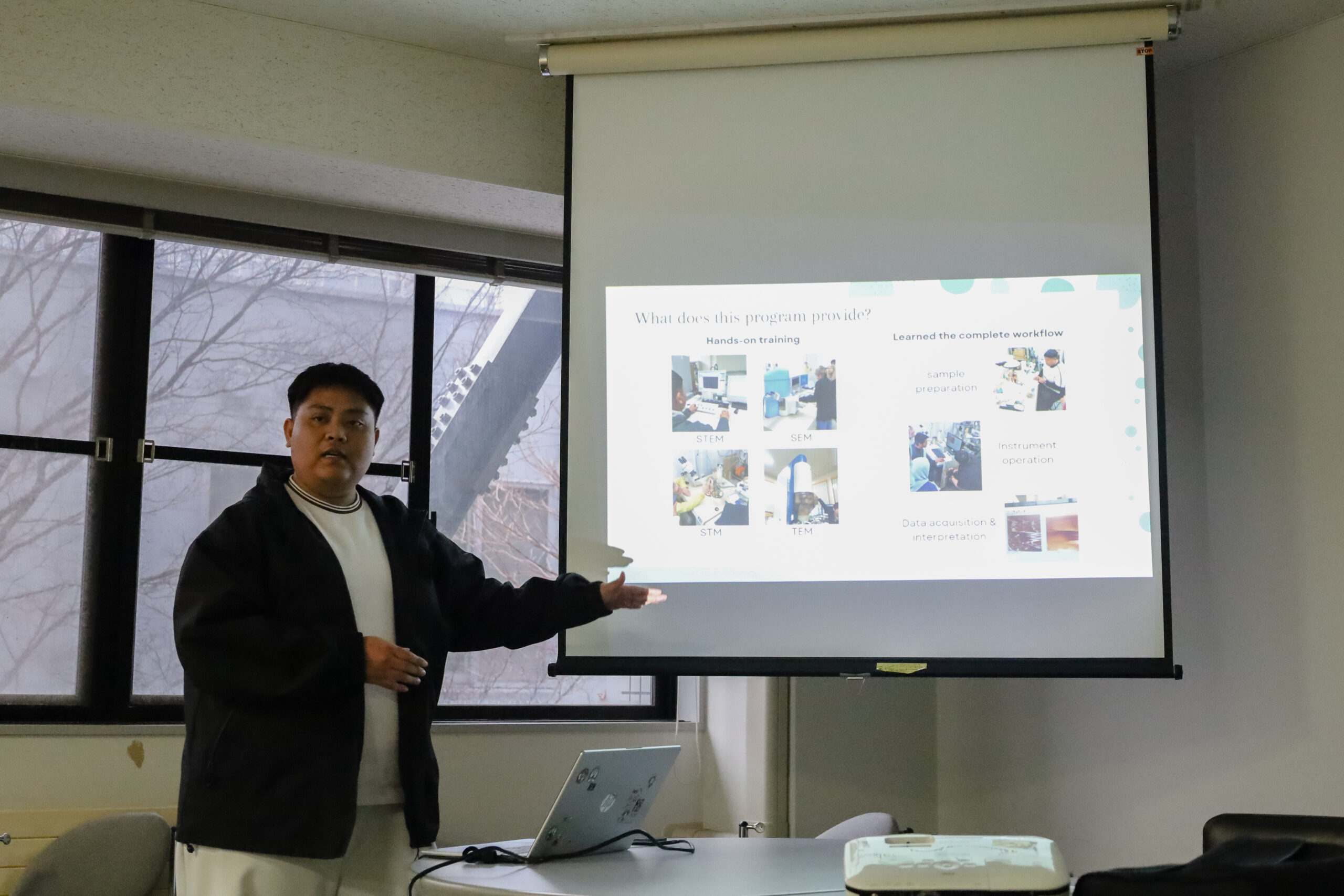
Participants presented their experiences during the program

Building connections through shared experiences
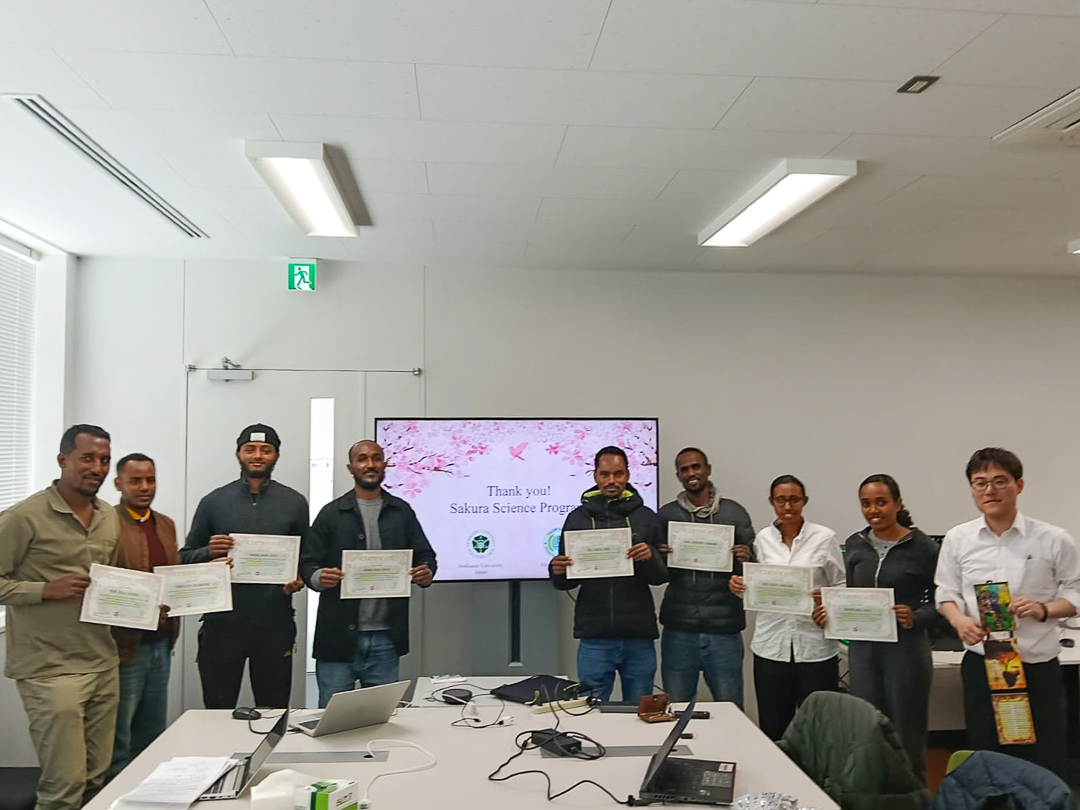
Left: Researchers of Aksum University and Assistant Professor Okada (far-right) of Hokkaido University
Right: Members of the National University of Malaysia and Professor Ichimura (center) of Hokkaido University.

Although the two programs differed in subject—ranging from resource engineering to nanoscale science—they shared a common purpose: fostering meaningful international exchange through research.

By bringing together participants from Ethiopia and Malaysia with researchers at Hokkaido University, the program created a space for dialogue, experimentation, and mutual learning. These interactions not only deepen academic understanding but also lay the groundwork for future collaborations across borders.

Photo credit: Natsuko Koyasu, PRC

Share
  • Facebook
  • X
  • Linkedin
  • Bluesky
  • Threads
View all articles

Related

    • Campus
    Advancing global collaboration through science: Hokkaido University hosts Sakura Science Exchange Program 2026
    Apr 01, 2026
    • Campus
    Learning Forestry in the Winter Forest: A Field Practicum at Hokkaido University’s Uryu Experimental Forest
    Mar 18, 2026
    • Campus
    Exploring “Remake Studies” at Hokkaido University
    Mar 02, 2026
Hokkaido University
Kita 8, Nishi 5, Kita-ku,
Sapporo, Hokkaido,
060-0808 Japan
+81-11-716-2111
  • Contact Us
  • Sapporo Campus Map
  • Hakodate Campus Map
  • Jobs
  • Give
  • Site Policy
  • Privacy Policy
  • Codes of Conduct
  • The Japan Association of National Universities

Hokkaido University