Skip to content
  • catcHUp
  • Give
  • JA
    • President’s Message
    • HU Vision 2030
    • HU Global Vision 2040
    • 150th Anniversary
    • Hokkaido Universal Campus Initiative
    • Sustainability Declaration
    • Diversity, Equity, and Inclusion (DEI)
    • aynu sisam urespa ukopirkare us i/Ainu and Indigenous Peoples
    • Philosophies
    • History
    • In Numbers
    • Awards
    • Honorary Degree Recipients
    • University Symbol
  • Sustainability
  • Campus
    • General Organization
    • Governing Organization
    • Administrative Organization
  • Institutes/Offices
    • University Library
    • University Museum
    • University Hospital
    • Veterinary Teaching Hospital
    • Health Care Center
    • Training Vessels
    • Experimental Forests and Farms
    • Aquatic Research Stations
    • Archaeological Research Center
    • University Archives
    • Event and Seminar Spaces
    • Gardens and Parks
    • Shops
    • Restaurants/Dining
  • Brochures
    • Public Relations Contact
    • Press Room
    • Social Media
    • E-Newsletter
    • Law
    • Fisheries Sciences
    • Environmental Earth Science
    • Science
    • Pharmaceutical Sciences
    • Agriculture
    • Life Science
    • Advanced Life Science
    • Education
    • Media, Communication, and Tourism
    • Health Sciences
    • Engineering
    • Chemical Sciences and Engineering
    • Economics and Business
    • Medicine
    • Dental Medicine
    • Veterinary Medicine
    • Biomedical Science and Engineering
    • Infectious Diseases
    • Global Food Resources
    • Humanities and Human Sciences
    • Information Science and Technology
    • Public Policy
    • Low Temperature Science
    • Electronic Science
    • Genetic Medicine
    • Catalysis
    • Zoonosis Control
    • Slavic-Eurasian Research
    • Information Initiative
    • Chemical Reaction
    • Vaccine
    • Food and Medical
    • Joint Facilities/Research Centers
    • Advancement of Higher Education
    • Advancement of Graduate Education
    • Center for Open Education
    • Student Advice and Counseling
    • Career Center
    • Human Resource Education
    • Joint Facilities/Educational Centers
    • Nitobe College
    • One Program for Global Goals
    • Double Degree Program and Cooperative Research Guidance
    • Outbound Programs
    • Open Courseware
    • Climate Change
    • SDGs Interviews
    • Spotlight on Research
    • Tackling Global Issues
    • Find an Academic Paper
    • Find a Researcher
    • Find Grant
    • Global Research and Education
    • Integrated Innovations
    • Business-Regional Collaboration
    • Program for Forming Japan’s Peak Research Universities (J-PEAKS)
    • Cross-ministerial Strategic Innovation Promotion Program (SIP)
    • COI-NEXT
    • Undergraduate Admissions Overview
    • Modern Japanese Studies Program
    • Integrated Science Program
    • Graduate Admissions Overview
    • Application Steps
    • Study in English
    • Study in Japanese
    • Hokkaido Summer Institute (HSI)
    • Short-Term Exchange in English (HUSTEP)
    • Japanese Language and Culture (JLCSP)
    • Special Auditor & Special Research Student
    • Scholarships for Prospective Students
    • Student Fees
    • Financial Support
  • Campus Life Overview
  • Japanese Language Courses
  • Health Care
  • Student Dormitories
  • Researcher’s Accommodation
  • Sport and Recreation
  • Clubs and Societies
  • Career Support
  • Students and Staff Communities
  • University Festivals
  • Discover Hokkaido
    • Inter-University Exchange Agreements
    • Departmental Exchange Agreements
    • International Consortia
  • International Visits
    • Seoul National University
    • The University of Melbourne
    • The University of Massachusetts Amherst
  • Global PR Ambassador
    • International Student Growth
    • Number of International Students
  • Strategy and Organization
  • Sapporo Campus
  • Hakodate Campus
  • Information Center (Sapporo)
  • Shuttle Bus
  • Sapporo Campus Map
  • Hakodate Campus Map
    • Academic Information (ELMS)
    • Wi-Fi and the Campus Computer Network
    • How to Use Libraries
    • Syllabus Search
    • Logo Guidelines (internal-only)
    • About Press Releases (internal-only)
    • Starting a Social Media Account (internal-only)
    • Find Translated Database (internal-only)
    • Campus AEDs
    • Safety Confirmation System
    • Preventing Harassment
  • Information for International Colleagues
  • Information for International Students
  • HANDBOOK for International Students
  • Alumni
Hokkaido University
magazin-article

Advancing Research Visibility and Impact

  • Campus
  • International Relations
  • Festival/Event
  • Innovation
  • Education
May 22, 2026

An AAAS–Hokkaido University seminar explored why it is important for research to be communicated, understood, and shared within and beyond the academic community, and how this can be achieved over a two-day program.

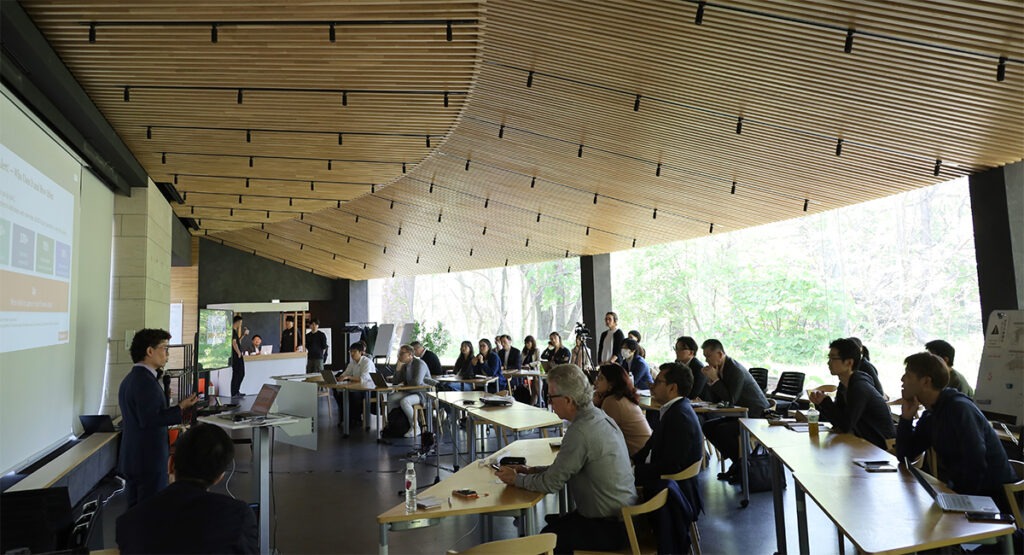
A captivated audience of researchers, students, research administrators, and public relations professionals gathered at Hokkaido University on 14-15 May 2026, in person and with many joining online. On the first day, they listened closely, leaning just slightly forward, as Brian Lin, an expert science communicator and director of EurekAlert!, spoke with enthusiasm, explaining the many reasons researchers should actively communicate their work beyond academia.

The session marked the opening of a two-day program on the theme “Enhancing the Global Visibility and Impact of Your Research,” organized in collaboration with the American Association for the Advancement of Science (AAAS), which is the publisher of Science family journals. Attendees were united by a common understanding that producing high-quality research is no longer sufficient in itself; visibility and communication are equally essential in today’s global research ecosystem.
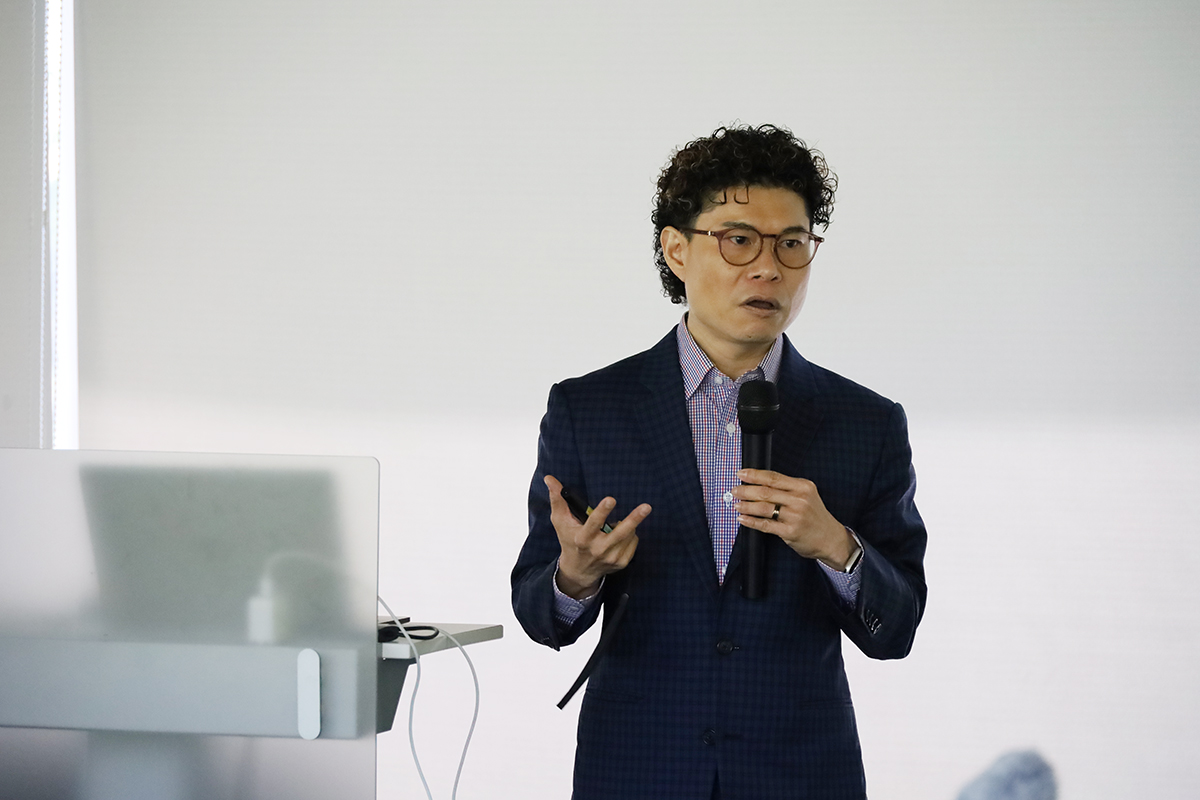
Drawing on his experience with EurekAlert!, an online platform launched by AAAS in 1996 to distribute research news to journalists and the public worldwide, Brian illustrated how strategic communication can significantly extend the reach and impact of scientific work. Today, EurekAlert! is visited millions of times a year and has become a trusted resource for journalists seeking credible and timely insights into the global research landscape.

What should researchers expect when engaging with the media? This was among the key questions explored, along with a look at the range of communication channels now available and the importance of tailoring messages for public audiences without compromising scientific integrity. The session also provided practical insights that encouraged researchers to think more proactively about how their work is shared and understood.

Brian Lin, Director of Editorial Content Strategy at EurekAlert! speaking at the AAAS–Hokkaido University seminar

The program then moved on to Hokkaido University’s efforts in science communication and in bringing the work of its researchers to a global audience, particularly through English-language press releases. Drawing on recent examples and institutional insights, Megha Kalra, a science communicator at the Public Relations & Communications Division, offered a closer look at the university’s communications and public relations work, and how structured strategies are helping the team strengthen both visibility and impact.
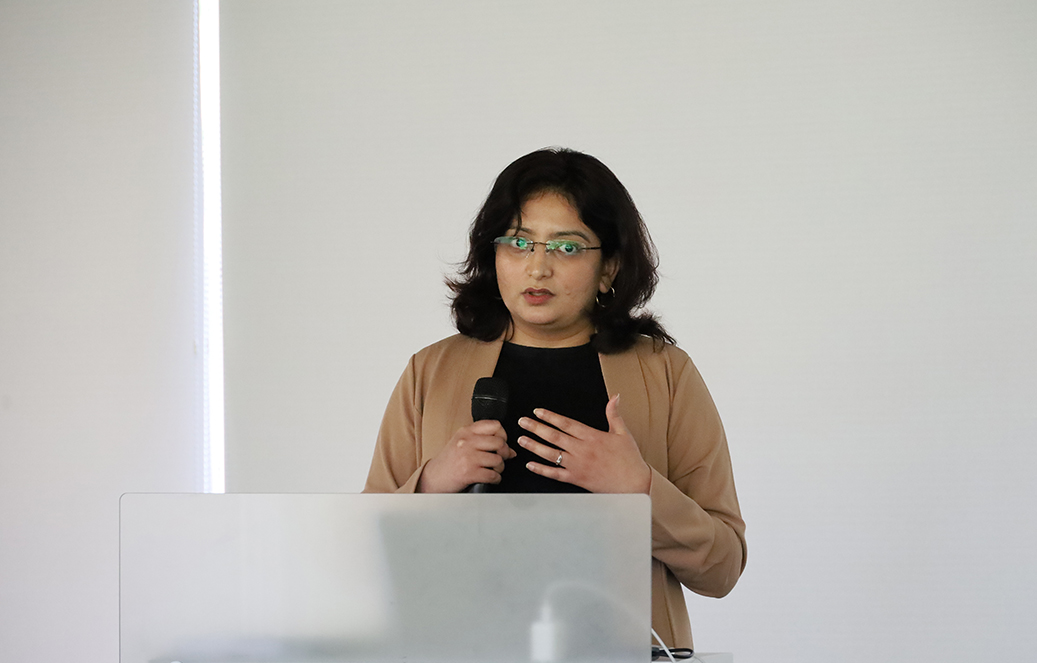
An overview of Hokkaido University’s science communication efforts presented by Megha Kalra

This was followed by a lively discussion and Q&A on media engagement, effective storytelling, and the tools available to communicate research more effectively. Conversations continued into the evening networking session, where ideas and connections continued to be exchanged.
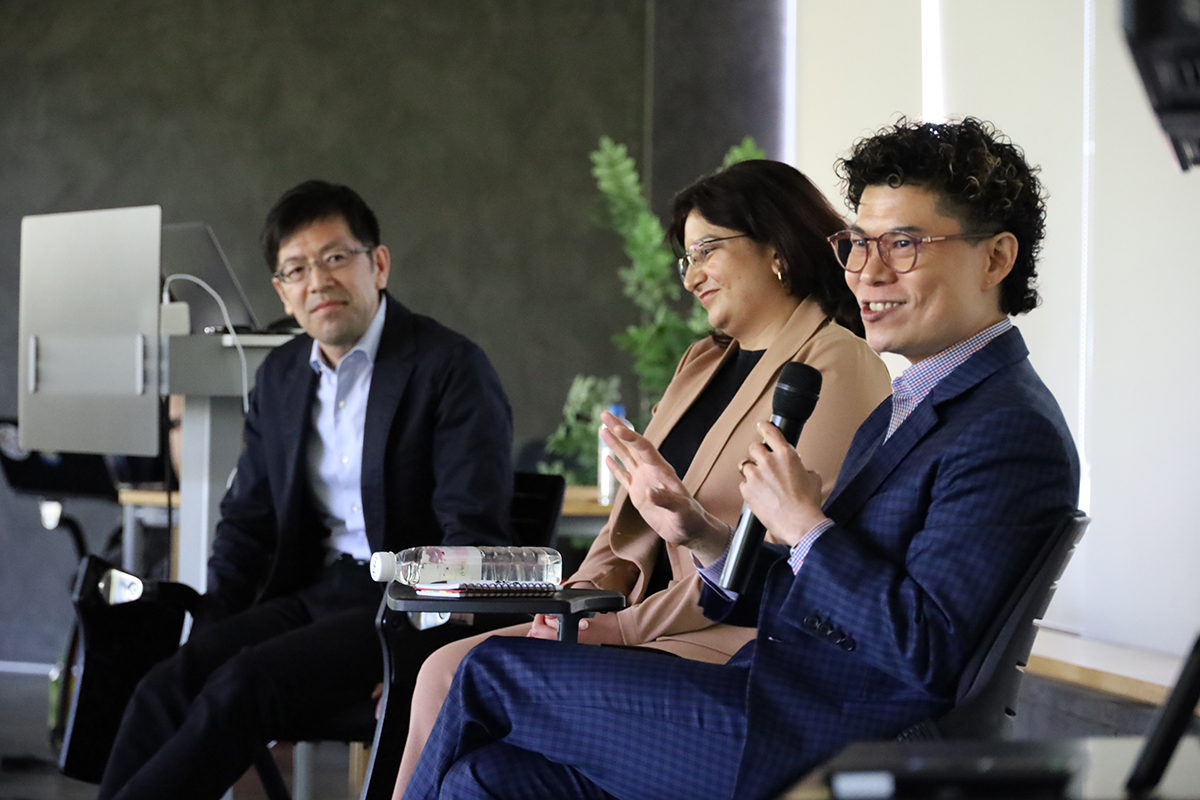
Speakers and audience members taking part in active discussion on science communication

On the second day, the focus broadened from communication to the larger themes of open science and research collaboration. It began with an introduction to Hokkaido University’s J-PEAKS initiative by Professor Takayuki Watanabe, which aims to advance regenerative and sustainable food systems while building a globally connected research ecosystem.
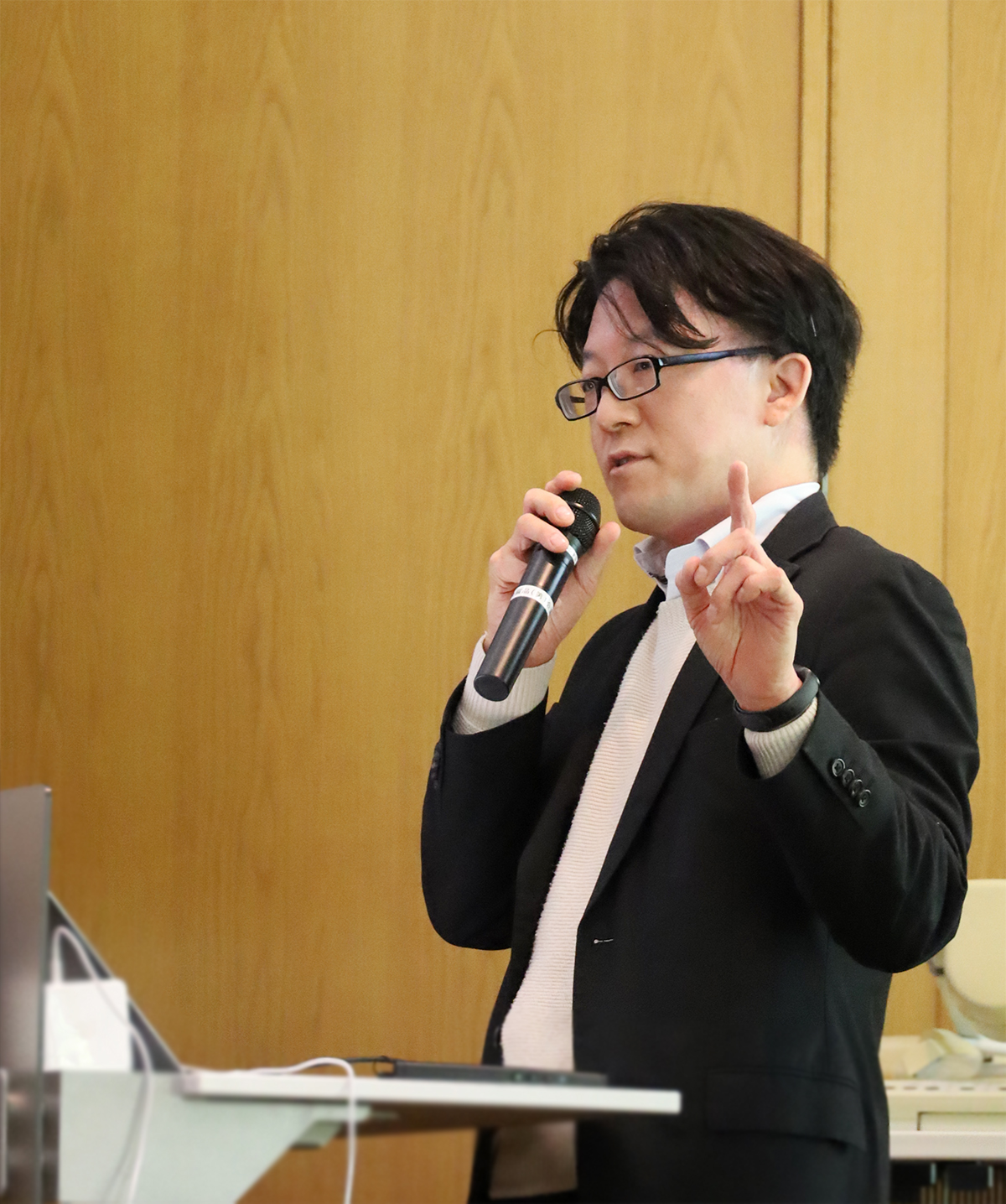
Left: Associate Professor and Advisor to the President Takayuki Watanabe explaining Hokkaido University’s J-PEAKS programs. Right: Dr. Kosui Horiuchi, Integrated URA Office, hosting the session

Open science is an increasingly significant topic in today’s scientific world, and it was explored in depth in a talk by AAAS’s Bill Moran, Publisher of the Science family of journals. He spoke about the organization’s publishing priorities in maintaining editorial quality. He also introduced the AAAS publishing framework, explaining what it means to prioritize quality in an evolving publishing environment crowded by commercial publishers. He then addressed less frequently discussed aspects of publishing, including article corrections and retractions, emphasizing their role in maintaining scientific integrity.
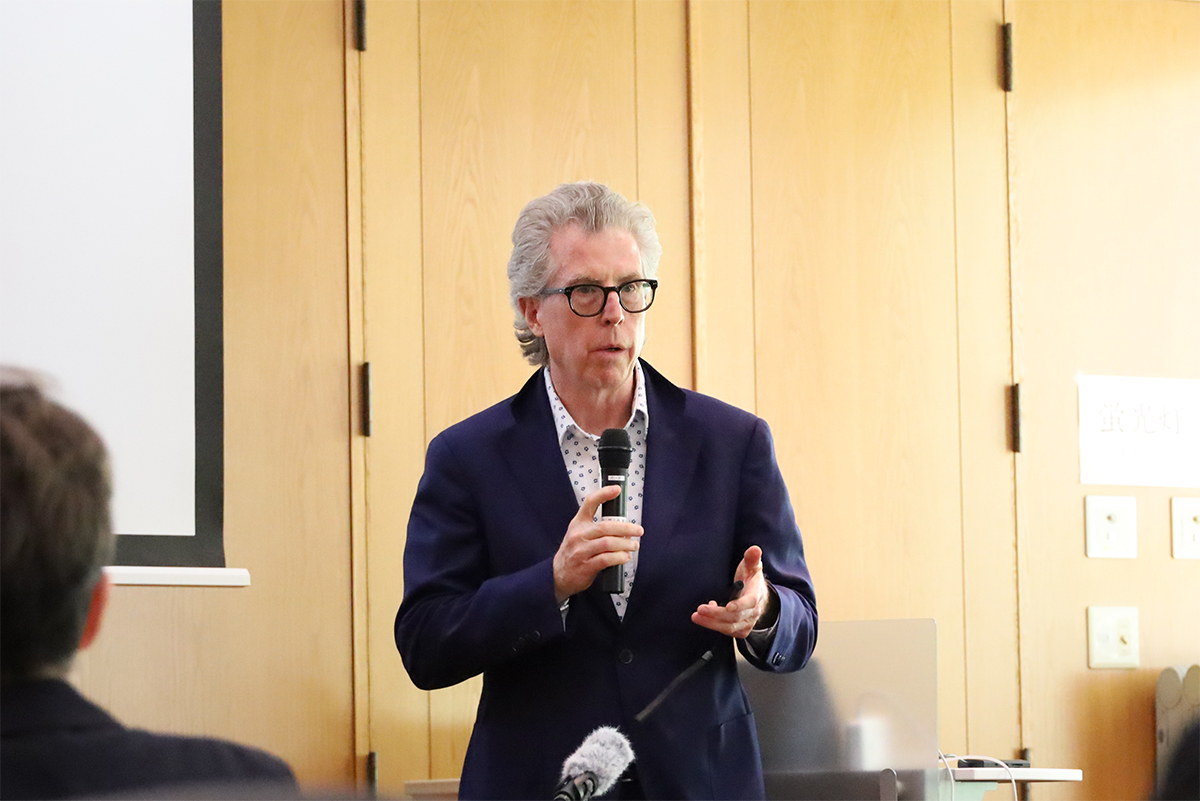
Bill Moran, Publisher, Science family of Journals, AAAS, discussing issues around academic publishing and AAAS’s approach to address them

Roger Goncalves, Associate Director, International, Science family of journals, then provided a broader overview of the range of services offered by AAAS to support the scientific community. He emphasized that even outstanding research can remain underrecognized without effective dissemination, and outlined how AAAS supports the community through initiatives spanning custom publishing, meeting operations, and award recognition.
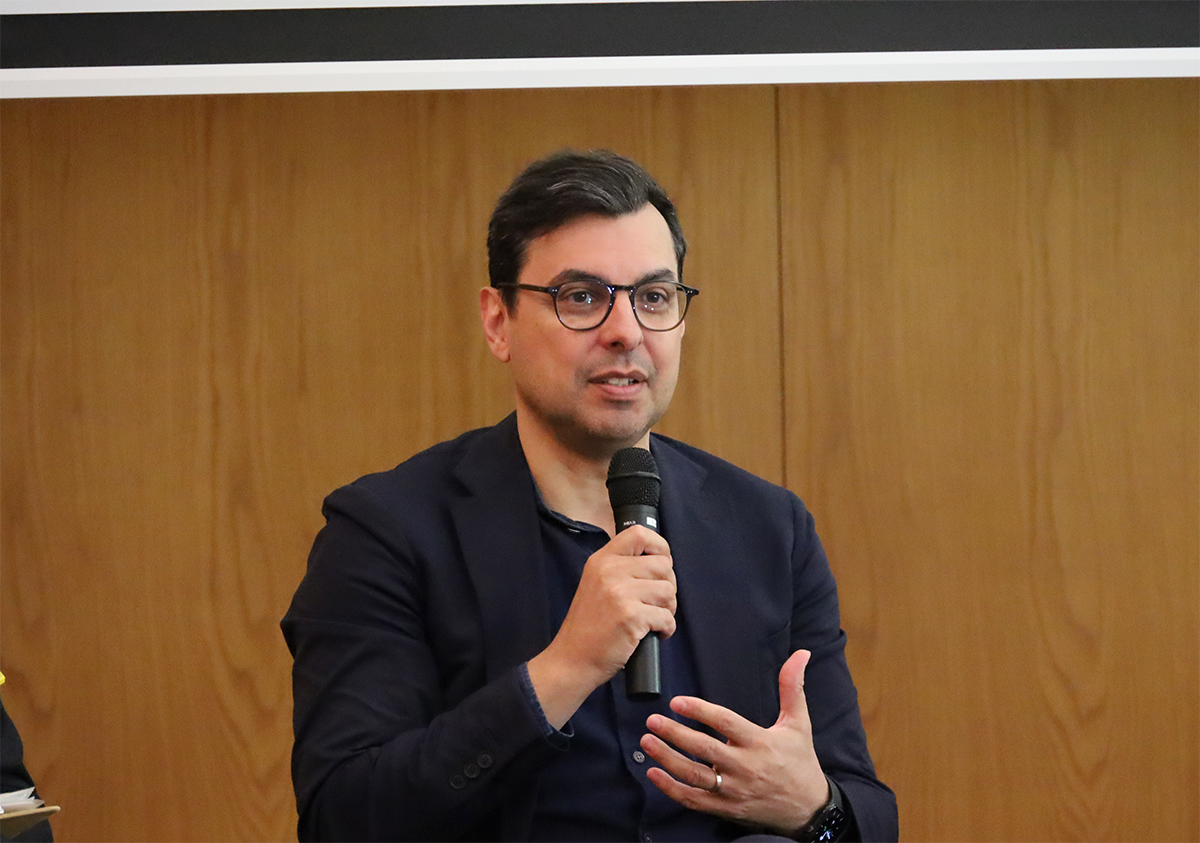
Roger Goncalves, Associate Director, International, Science family of journals, AAAS, explaining AAAS’s multifaceted approach to support the research community.

The two-day program concluded with participants having gained a broader understanding of science communication and open science, along with practical tools they can apply in their own work. This is especially relevant in today’s world, which is increasingly shaped by complex challenges, and the ability to communicate science and research clearly and effectively may no longer be optional.

Panelists responding to audience questions during the discussion, moderated by Professor Norifumi Miyokawa, Deputy Director of the Office for International Collaboration

After the seminar, the guest speakers from AAAS exchanged ideas with the Executive Vice Presidents of Hokkaido University, Tsuyoshi Setoguchi and Mayumi Ishizuka, on enhancing research visibility in the global community, reflecting on the sessions from the two days.

The seminar was jointly organized by Naoki Namba, Public Relations & Communications Division; Takayuki Watanabe, J-PEAKS Planning and Operations Office; and Shingo Tanaka, Integrated URA Office at Hokkaido University, as part of the 150th Anniversary Commemorative Events.
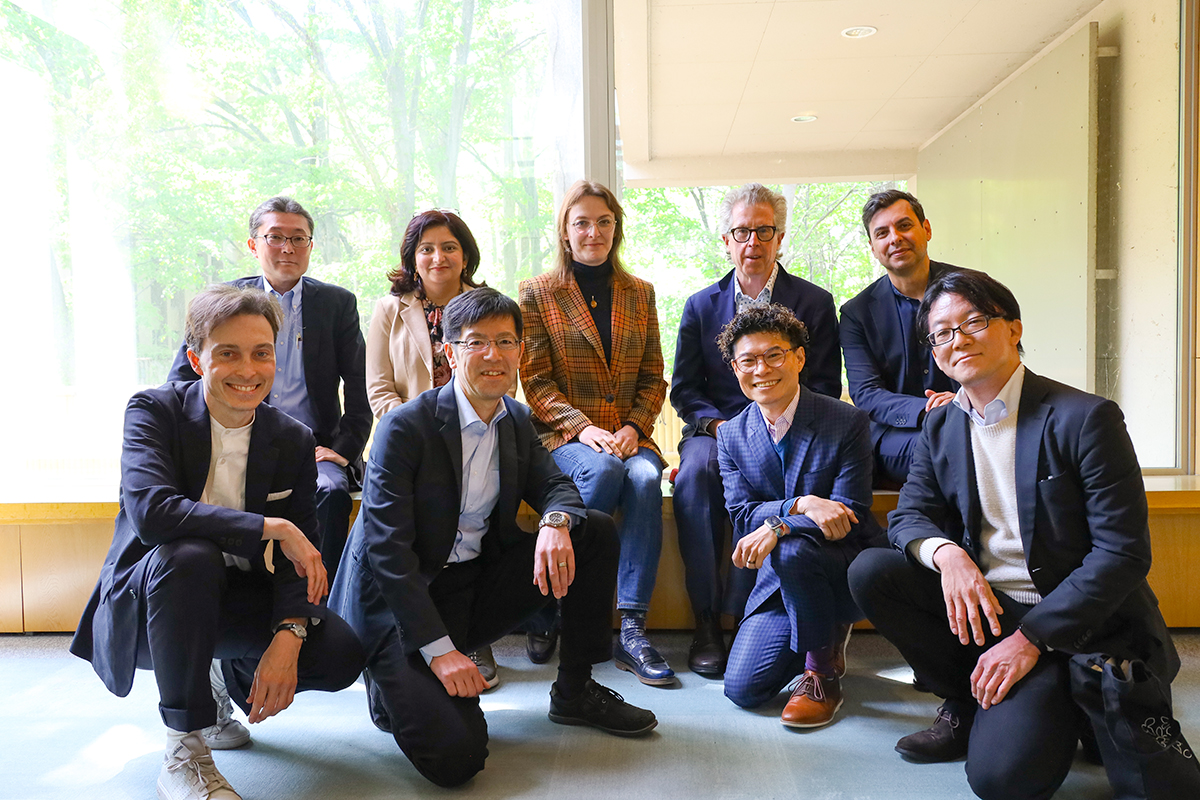
Speakers and organizers with some attendees at the AAAS–Hokkaido University Seminar, held from 14–15 May 2026

Written by Megha Kalra; photos by Ayumi Hasegawa,
Public Relations & Communications Division

Related Links

  • Entrance Ceremony 2026: The President’s Welcome Address
Share
  • Facebook
  • X
  • Linkedin
  • Bluesky
  • Threads
View all articles

Related

    • Campus
    Advancing Research Visibility and Impact
    May 22, 2026
    • People
    Hult Prize Campus Finals 2025/26 showcase student solutions to global challenges
    Mar 06, 2026
    • Research
    The President’s Adventures in Knowledge-Land Vol. 5 – Physics at the Forefront of Cancer Therapy
    Jan 22, 2026
Hokkaido University
Kita 8, Nishi 5, Kita-ku,
Sapporo, Hokkaido,
060-0808 Japan
+81-11-716-2111
  • Contact Us
  • Sapporo Campus Map
  • Hakodate Campus Map
  • Jobs
  • Give
  • Site Policy
  • Privacy Policy
  • Codes of Conduct
  • The Japan Association of National Universities

Hokkaido University