

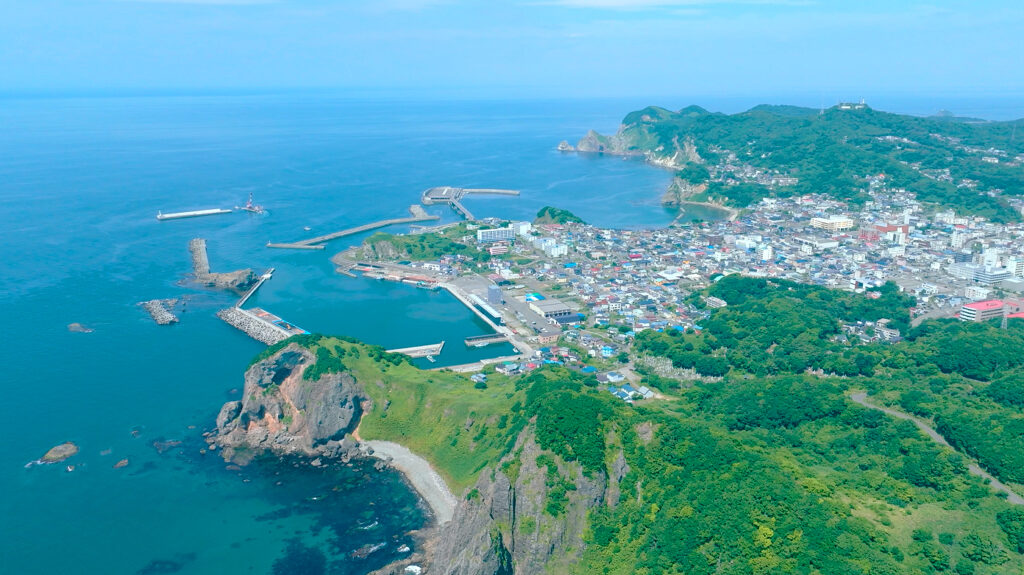
Muroran Marine Station, one of Hokkaido University’s seven aquatic research stations, is surrounded by beautiful, biodiverse seas, and it has developed as a research station specializing in seaweed. This ninth installment of the video series Fields of Knowledge introduces the appeal of Muroran Marine Station and the research being carried out there.
The World’s Unique Research Station Specializing in Seaweed
Muroran Marine Station was established in 1933 as a Faculty of Science facility for research in the physiology, ecology, and developmental biology of seaweed. Located at Cape Etomo, about 130 kilometers south of Sapporo and roughly a two-hour drive away, the station is surrounded by beautiful ocean scenery.
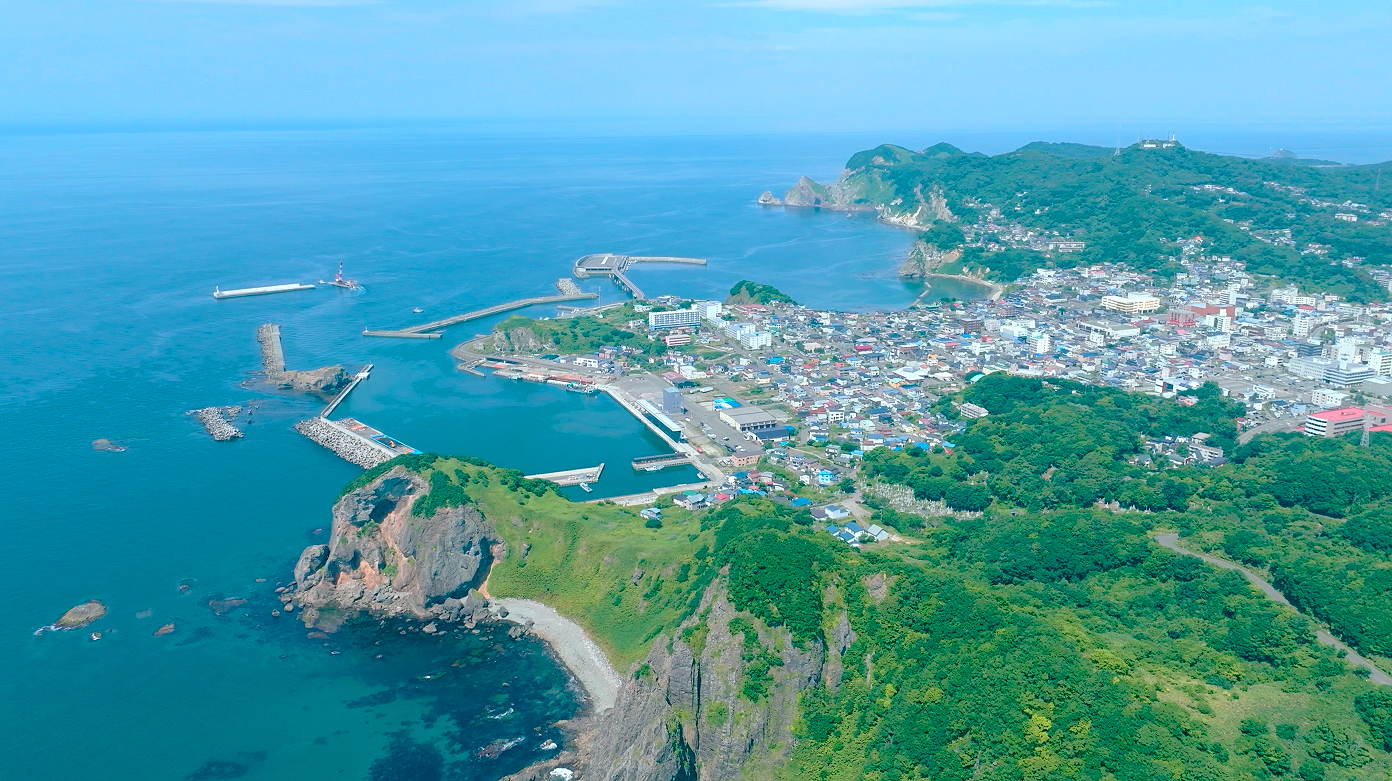
(Drone photo: Kodai Ito, GEOGRAMS)
Professor Chikako Nagasato, the station’s seventh Director, describes its appeal: “The waters off Muroran are where the Tsugaru Warm Current and the Kuril Cold Current meet, making it rich in biodiversity, including seaweed species. We can obtain abundant research materials, and by culturing them in the laboratory, we can conduct experiments throughout the year.”
She adds, “There are only a few research stations in the world that specialize in seaweed, and researchers come here from Japan and abroad.”
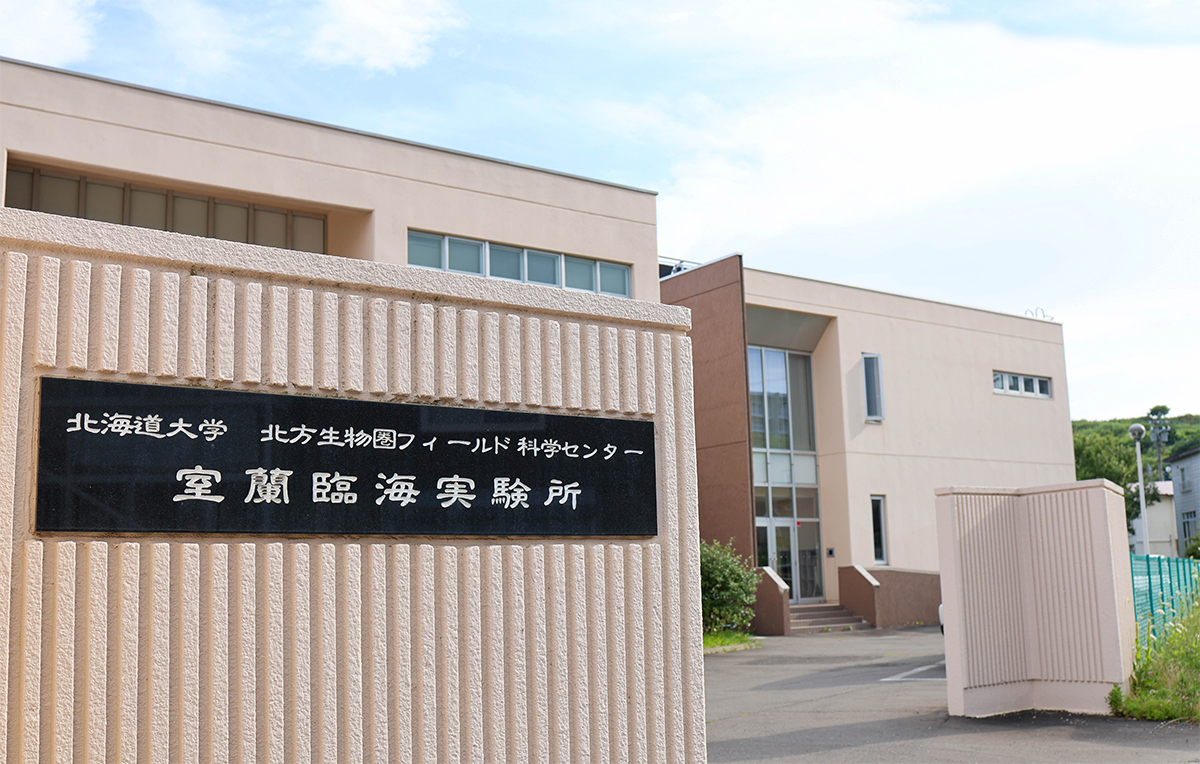
At the station, researchers are also working with techniques once thought difficult to apply to macroalgae, including axenic culture, electron microscopic analysis, and genome editing. Many researchers visit to learn these methods.

Tiny Germ Cells Meet in the Vast Sea
One area of research conducted here focuses on seaweed gametes. Animal gametes—sperm and eggs—are well known, but seaweeds also reproduce sexually by producing sperm and eggs.
Associate Professor Kensuke Ichihara says: “It is amazing that sperm and eggs only a few micrometers in size can find the right partner—that is, the opposite sex of the same species—in the vast ocean. I became interested in the mechanism behind this.”
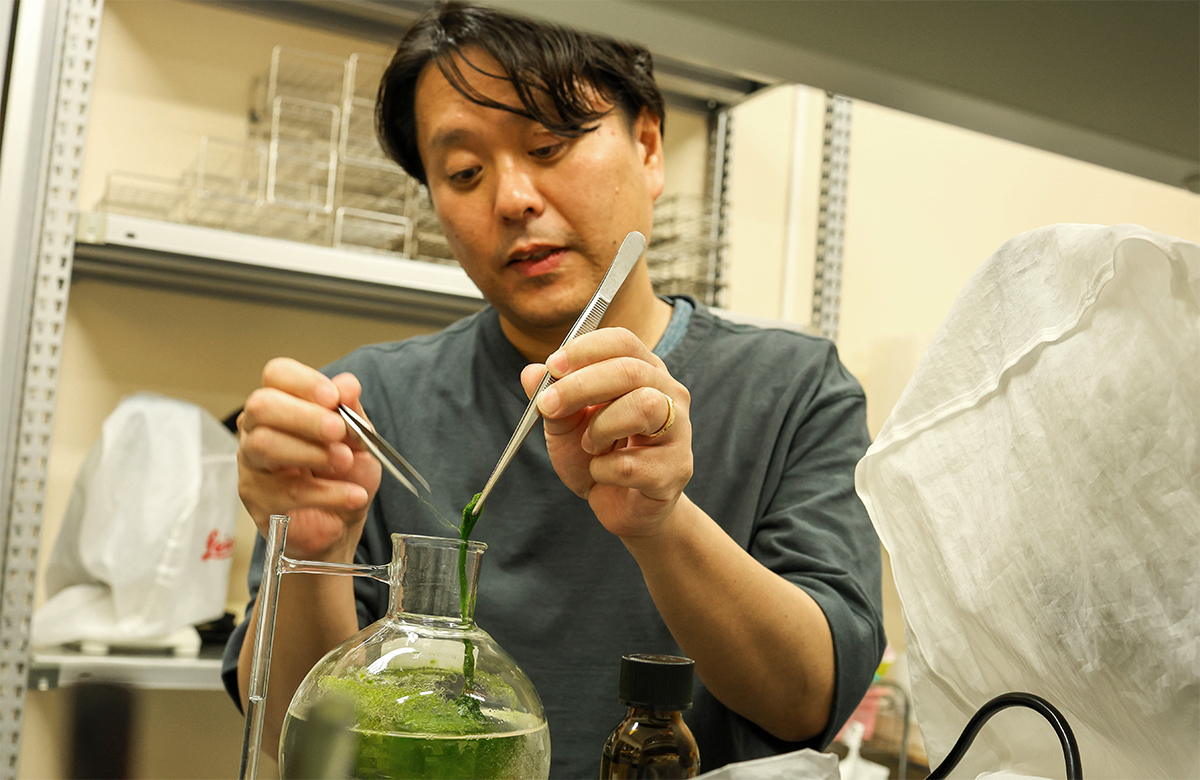
In his past research, Dr. Ichihara analyzed proteins on the surface of sperm in green algae in order to identify factors involved in fertilization. However, even when a function could be inferred, it was not easy to confirm it experimentally and conclusively.
So he and his colleagues turned their attention to the rapidly advancing technology of genome editing. After much trial and error, they succeeded in introducing it into seaweed and used it to disrupt the targeted gene.
“When we actually knocked out the gene, we observed that fertilization no longer occurred at all. It was very exciting to observe,” says Dr. Ichihara.
In other words, they found that this gene plays an important role in fertilization. He says this technology has greatly advanced gene-level research in seaweed.
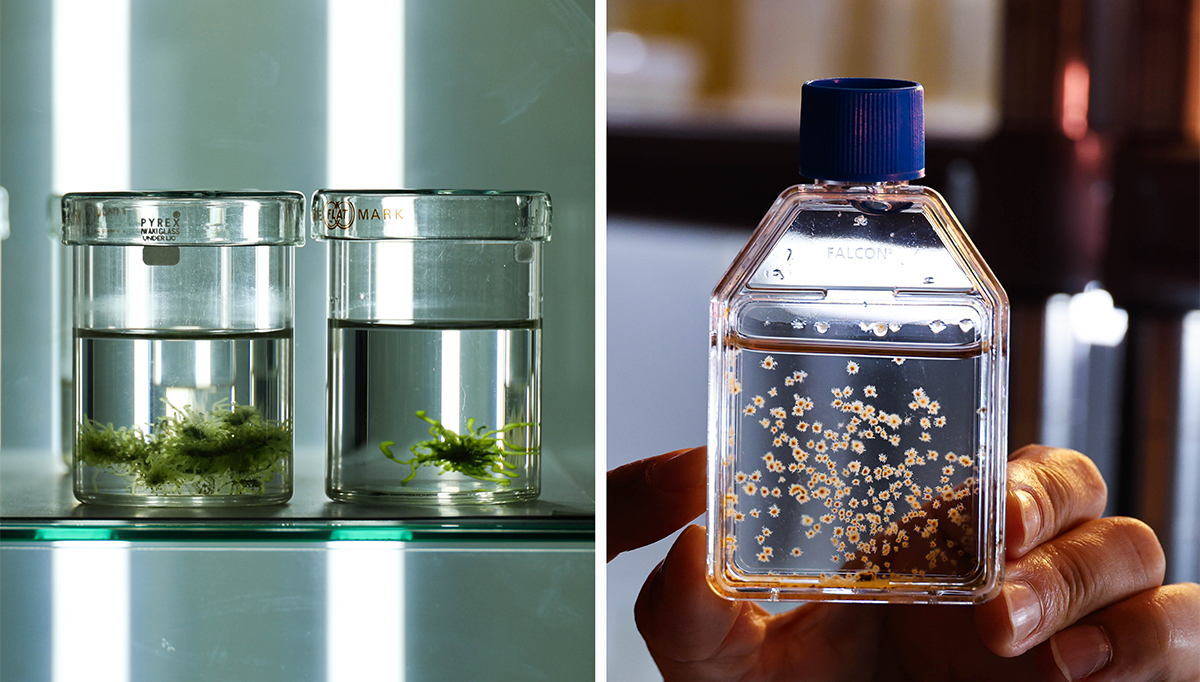
Meanwhile, specially appointed assistant professor Nana Terauchi is exploring the mysteries of fertilization from another angle. Her research materials are brown algae familiar to many of us, such as wakame, kombu, and hijiki. Brown algal sperm have flagella and swim to find eggs, much like animal sperm.
“Brown algal sperm respond to light and to sex pheromones released by eggs, adjusting the movement of their flagella so that they can swim efficiently toward the eggs,” says Dr. Terauchi.
The response to light is called phototaxis, and the response to pheromones is called chemotaxis. These two responses had been thought to be controlled by separate mechanisms within the sperm cell, but Dr. Terauchi encountered a phenomenon that challenged this view.
“At one point, I noticed that sperm that should have been swimming toward light instead swam away from it when sex pheromones were present.”
She says this was not part of an intended experiment, but was discovered by chance during another procedure. At the time, she recalls: “It was very surprising, because not only in seaweed but more broadly, it had not been known that pheromones could affect phototaxis.”
Dr. Terauchi is now investigating the intracellular mechanisms linking phototaxis and chemotaxis.
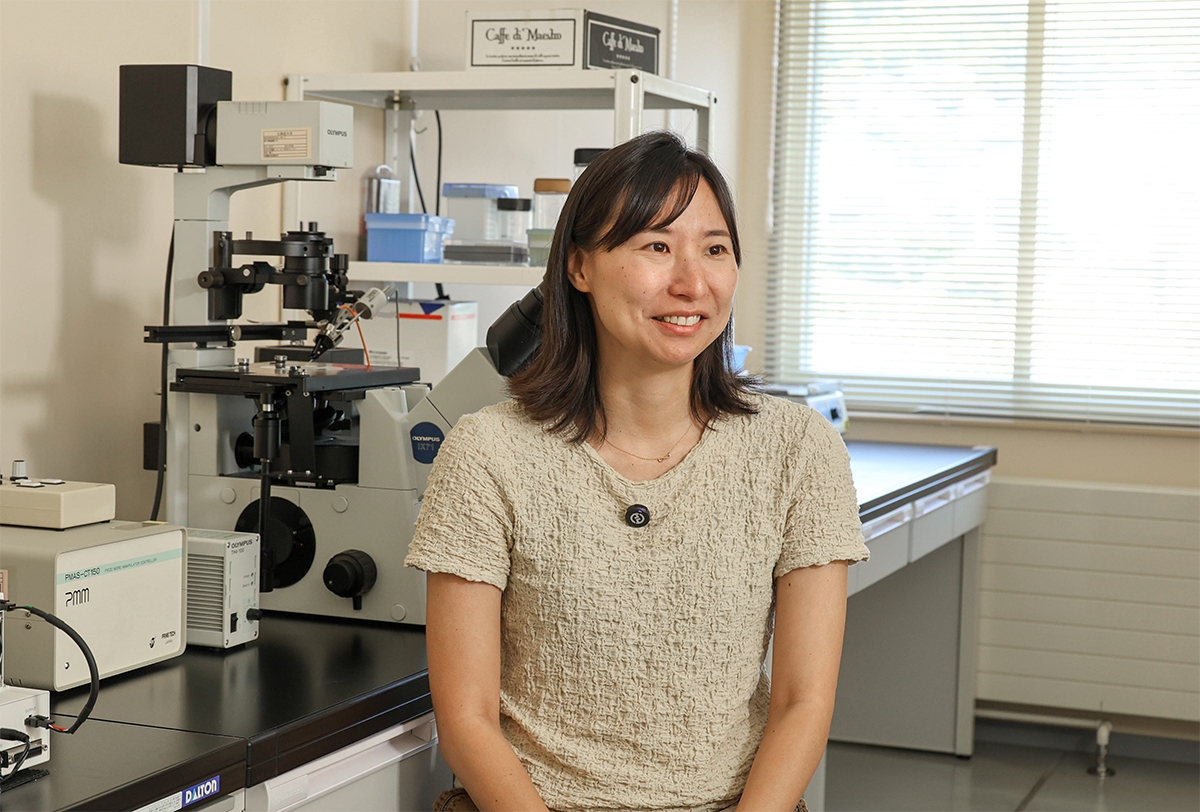
Approaching the Fundamentals of Life Through Seaweed
In addition to fertilization research, Director Nagasato is currently focusing on the slimy substances that coat the surfaces of brown algae.
“I am interested in understanding the roles of polysaccharides produced only by brown algae, such as alginic acid and fucoidan—the substances that give them their sticky texture,” she says. She is studying the biosynthetic pathways of these polysaccharides and investigating their roles using genome editing techniques.
“We are finding that when genes related to alginate and fucoidan synthesis are disrupted, this affects the cell wall and cell shape. The cell wall serves a protective role much like a shield, and it is also necessary for cells to adhere to one another and build multicellular structures. We think alginate and fucoidan may be related to the complex forms and large size of brown algae,” says Professor Nagasato.
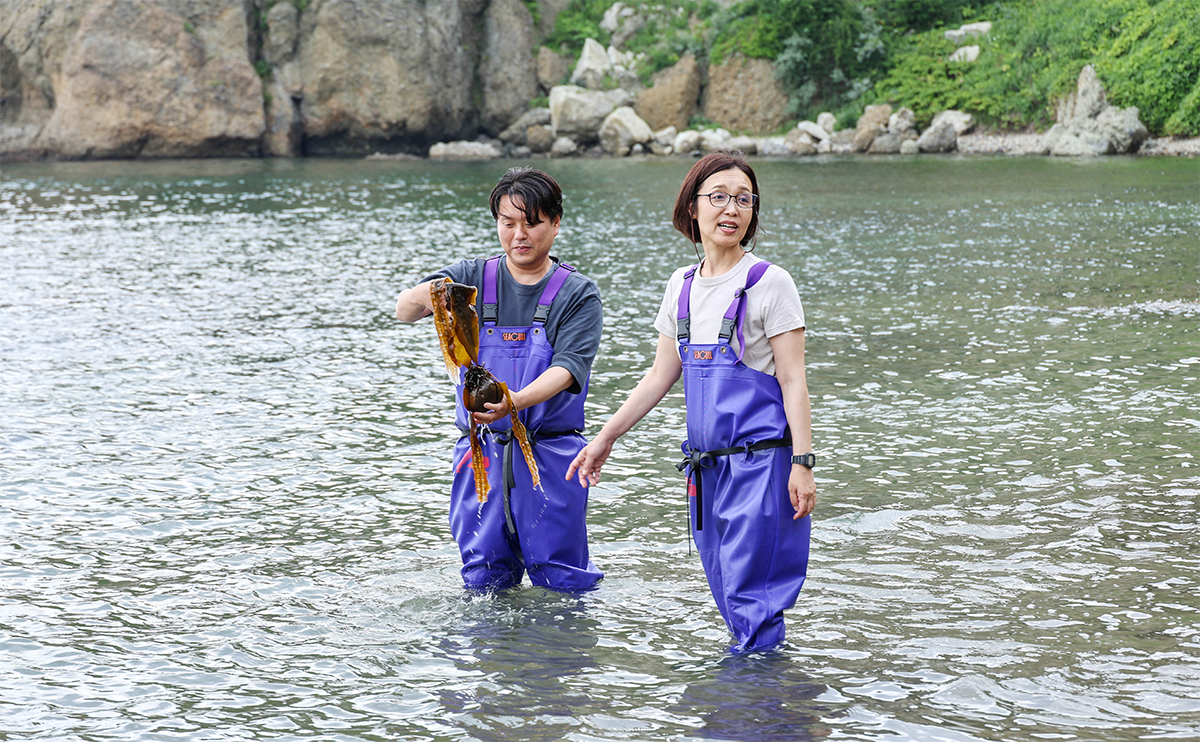
She also speaks about changes in the ocean: “I hear that kelp growing 50 to 100 meters offshore has been decreasing year by year. By studying how seaweed growth and gene expression change in response to environmental change, we may eventually be able to breed kelp with greater temperature tolerance.”
Nurturing the Next Generation
Muroran Marine Station also conducts a range of educational activities to train the next generation who will inherit and develop this field of research. It has been designated by the Ministry of Education, Culture, Sports, Science and Technology as a joint educational use center. In addition to practical training for Hokkaido University students, it offers joint training programs for students from across Japan and hands-on learning opportunities for local children.
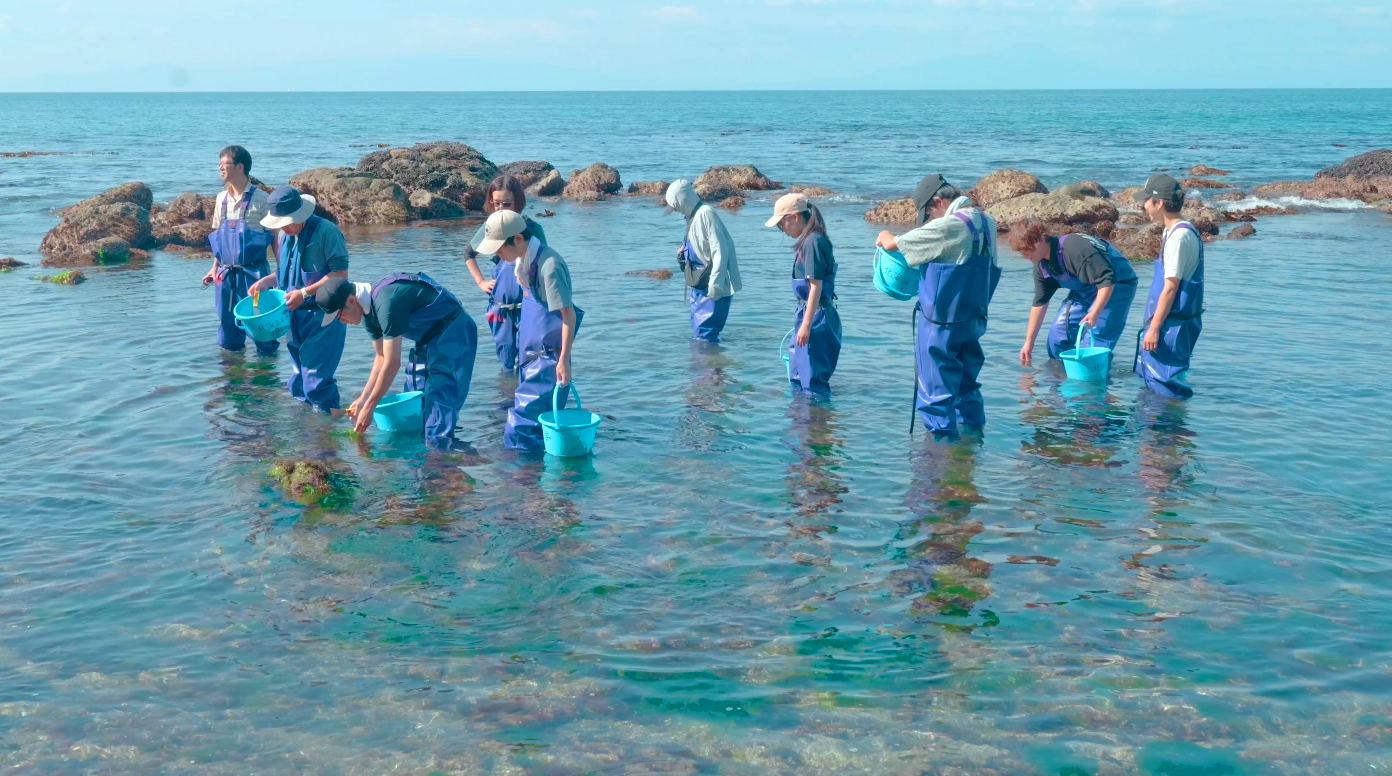
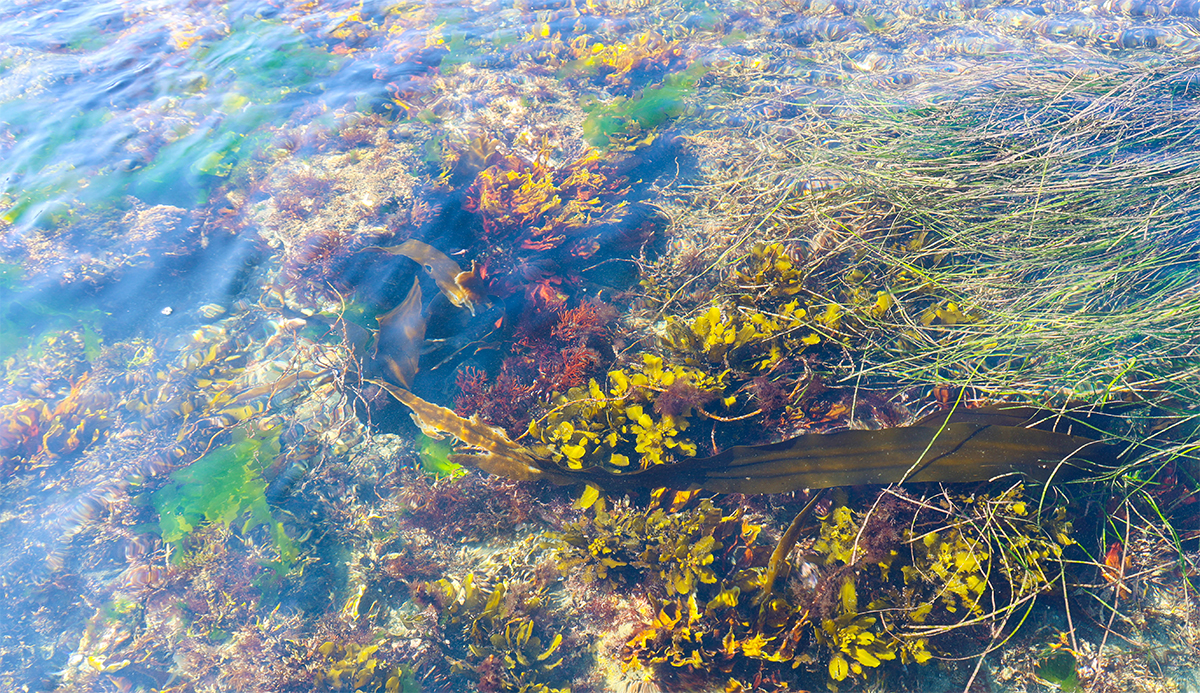
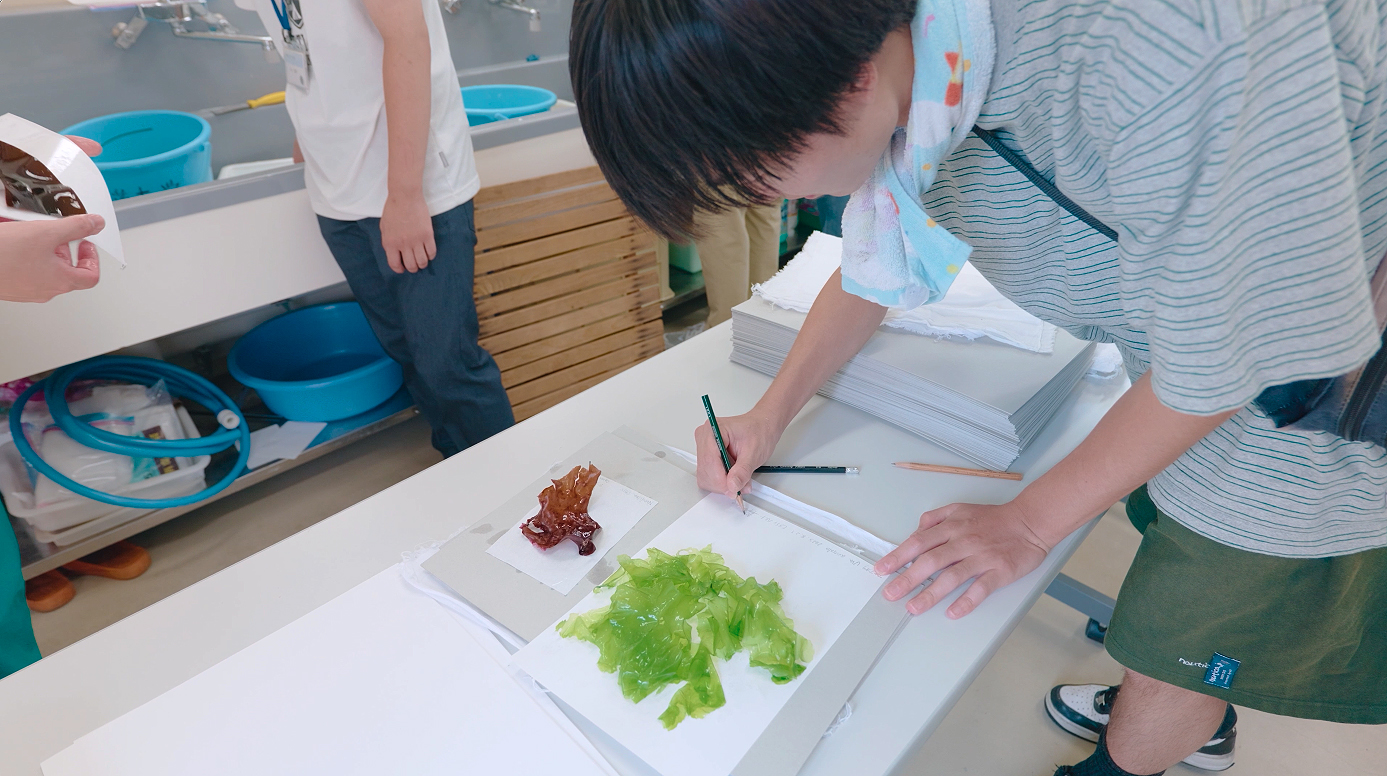
On this day in August, the station was hosting an open marine practicum titled Classification, Development, and Cell Biology of Seaweeds. In the five-day program, students went to the shore to collect seaweed and prepare specimens, and also observed fertilization under a microscope.
Students from other universities who took part commented: “It was fascinating to actually touch seaweed and became more interesting to me,” and “I had planned to study microorganisms in the future, but this experience also made me interested in seaweed.”
“Seaweed research is not a field with a large number of researchers in Japan, so I hope young people will become interested in it. If they choose to work in this field, I hope they will take on topics that no one else is studying and become leading experts in their respective areas,” said Professor Nagasato, expressing her hopes for the future.
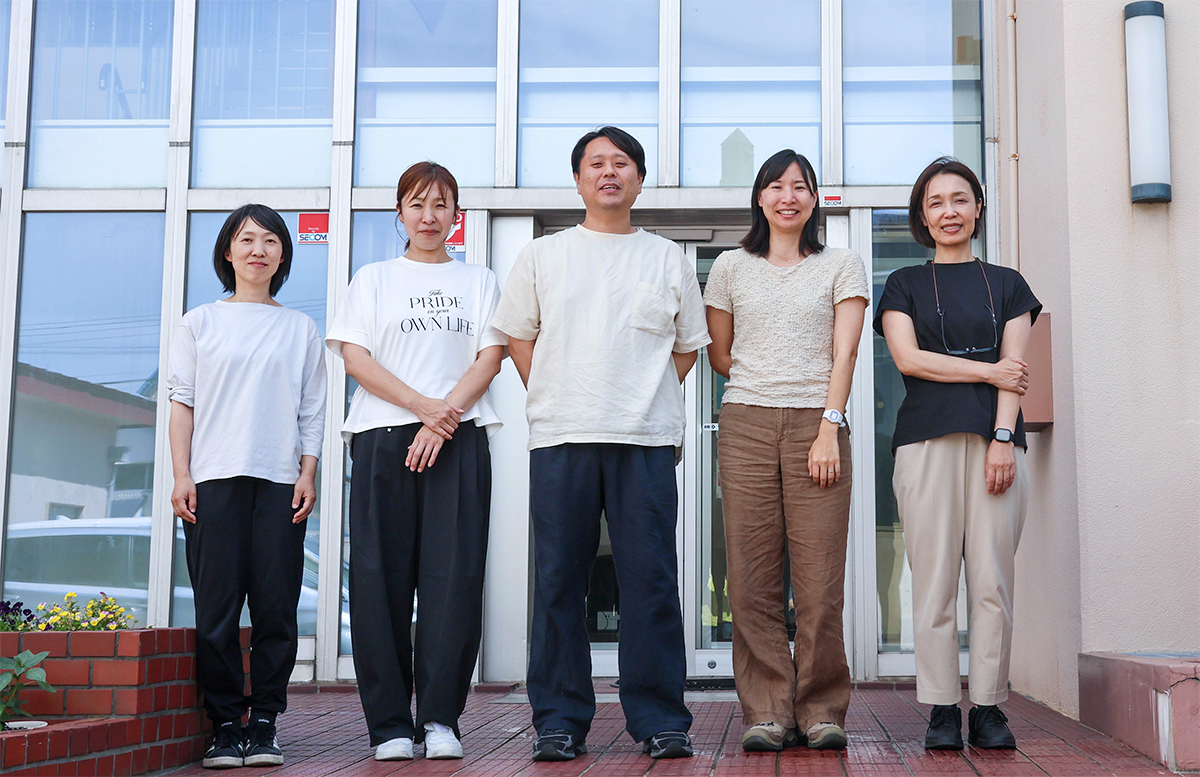
Written by Naoki Namba, Public Relations & Communications Division
Updated on July 8, 2026