


“Thirty years ago, it was our common sense understanding that hantavirus does not and perhaps cannot spread from human to human. It turns out there is one exception: a strain called the Andes virus.”
Specially Appointed Professor Hiroaki Kariwa has been studying hantaviruses at Hokkaido University for more than 35 years. What does the virus do inside its rodent hosts? How do these viruses move through animal populations? And how is it that they cause almost no apparent symptoms in rodents, yet can be nearly fatal in humans? These are some of the questions that have driven his research. Over the years, his team has uncovered important insights into the ecology and evolution of hantaviruses, including the discovery of a previously unknown strain, the Hokkaido virus.

Recently, hantavirus has moved from the pages of scientific journals into international headlines following a deadly outbreak aboard the cruise ship MV Hondius. In this article, Kariwa explains why “this virus has been particularly difficult for scientists to study.”
Hantavirus and rodents
“It’s possible hantaviruses have always been there,” Kariwa says.
Long before scientists first identified the virus, people were likely being infected by it. The disease first drew attention during the Korean War in the early 1950s, when thousands of soldiers stationed near the Hantan River in South Korea developed a severe, unexplained illness. Many years later, in 1976, researchers identified the cause to be a virus likely carried around by rodents and named it hantavirus after the place of its first known discovery.
Today, scientists think that hantaviruses could have been around for as long as rodents have existed. “The virus and rodents have most likely co-evolved,” Kariwa explains. “We don’t yet know what benefit this is to the rodent, the viruses simply seem to be free-riding within them.”
Rodents carry hantaviruses without showing any apparent symptoms, acting as their long-term reservoirs.
A major shift in understanding these viruses came in the 1980s and 1990s with the development of Polymerase Chain Reaction (PCR), a molecular technique that allowed scientists to detect viral genetic material with much greater sensitivity than ever before. Identifying almost any virus, including hantavirus, was really difficult before PCR. Researchers had to either look for antibodies produced in response to a viral infection or try to isolate the virus by letting it first grow in large enough numbers in laboratory animals or cultured cells so that it could be detected. Both approaches were often inefficient and gave little information about the virus itself.
With PCR, scientists could identify different hantavirus strains and map their distribution.
It soon became clear that hantaviruses were more globally widespread than previously thought. “Hantaviruses have probably been infecting and killing people for a long time,” Kariwa says.
In the years that followed, new strains were identified around the world. In 1993, there was a major outbreak in parts of North America in which 33 people were infected, 17 of whom died. Researchers were able to trace the cause to a new strain of hantavirus, the Sin Nombre virus. That spring, unusually heavy rainfall linked to an El Niño weather pattern led to a surge in vegetation across the region. This boosted the growth of the pinyon pine nuts that rodents feast on. As rodent populations grew, so did the viruses they carried. “Many hantavirus cases were reported that year,” Kariwa notes.
Another strain, called the Andes virus, was identified in 2002 after two people were infected by rodents and later died. In 2018, an outbreak of the same strain infected 34 people. It began with a single person who contracted the virus from a rodent, and was the first time a hantavirus strain was found to be capable of human-to-human transmission.
“It is still the only strain of hantavirus known to spread between people,” Kariwa says.
Today, hantaviruses have been found in more than 100 species, though they are most often linked to rodents. And, of the over 40 known types of hantaviruses, nearly half have the ability to infect humans and cause serious illness.
For Kariwa, a key question driving his research has been how these viruses are maintained within rodent populations.
A surprising discovery
At the time when Kariwa began studying hantaviruses in Japan, it was thought that the only hantavirus species present in the country was the Seoul virus, carried by urban rats.
And so, he started his research by first trying to obtain negative control samples for the Seoul virus, i.e., rodents that did not carry the virus. This would provide a baseline against which virus-infected animals could then be compared.
Paradoxically, this search for hantavirus-free rodents led to a surprising discovery.
“At that time, we knew that urban rats in Japan carried a hantavirus strain called the Seoul virus, and many laboratory rats in the country had also previously been exposed to it,” he recalls. “However, we did not think hantaviruses existed in wild rodents here. And so that’s where we set out to find our negative control.”
The team drove about 40 minutes from their laboratory in Sapporo to a nearby forest in Tobetsu Town, where they captured wild rodents and brought them back for testing.
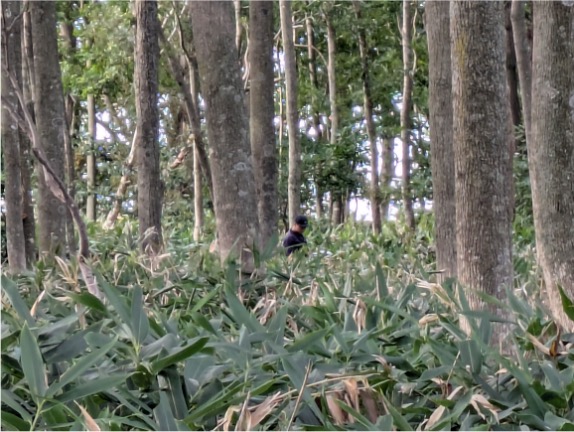
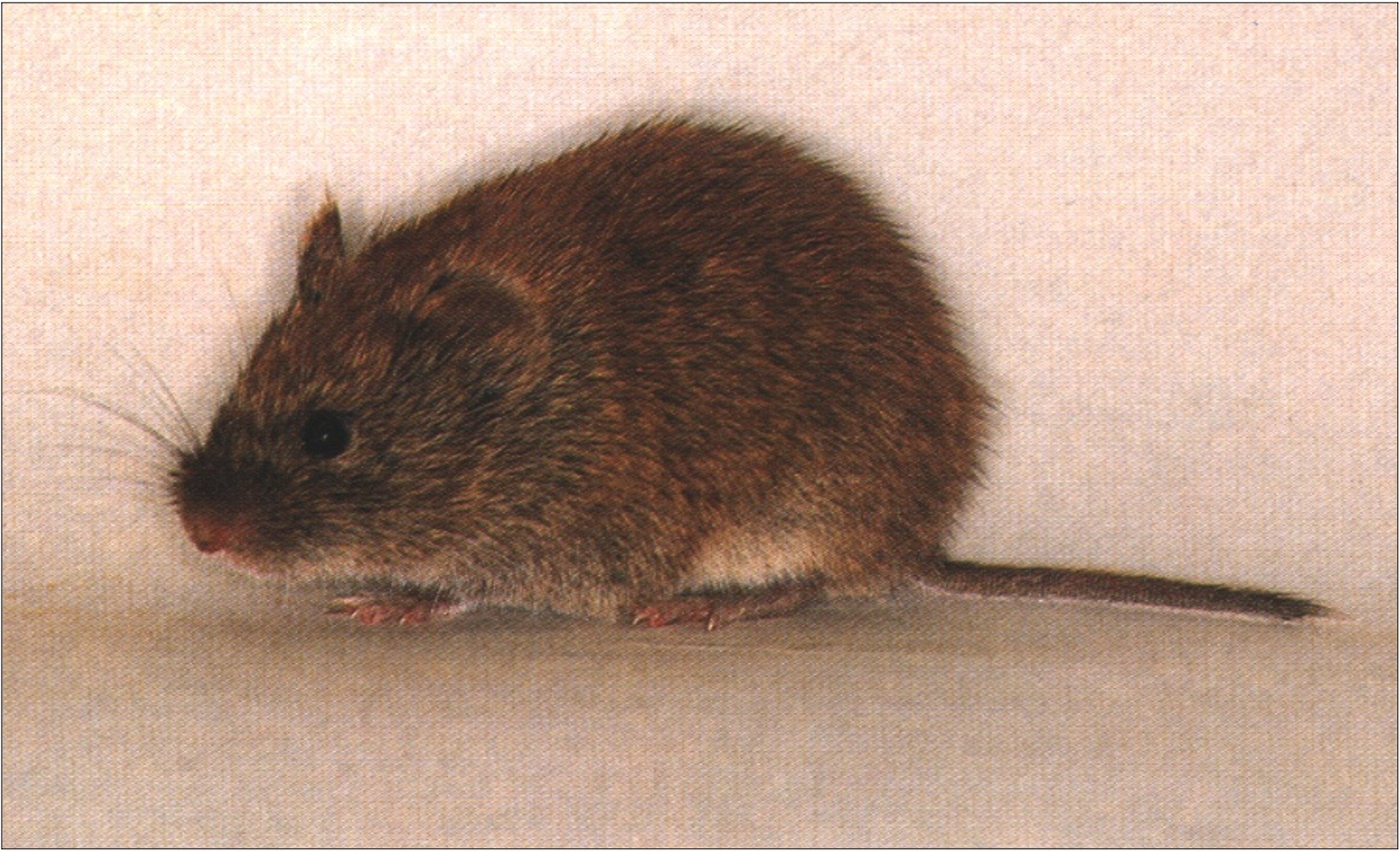
(Left) An isolated forest in Tobetsu, Hokkaido. Photo: Hiroaki Kariwa. (Right) A grey red-backed vole captured from the forest. Photo: Dr. Kimiyuki Tsuchiya.
To their surprise, the rodents they had brought back from the wild showed antibodies to hantavirus. And not only that, these animals were carrying a previously unknown strain of hantavirus, which the researchers named the Hokkaido virus.
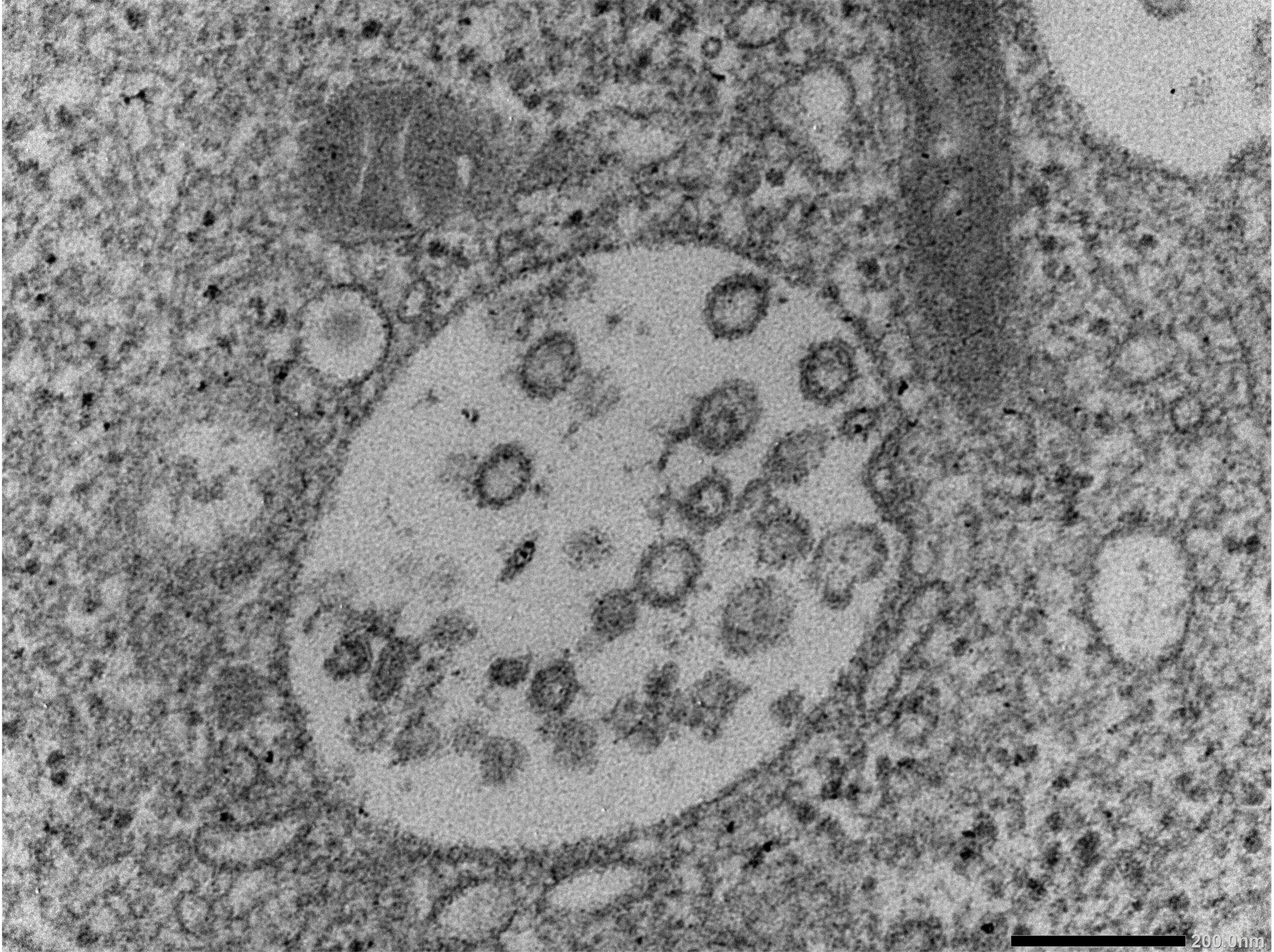
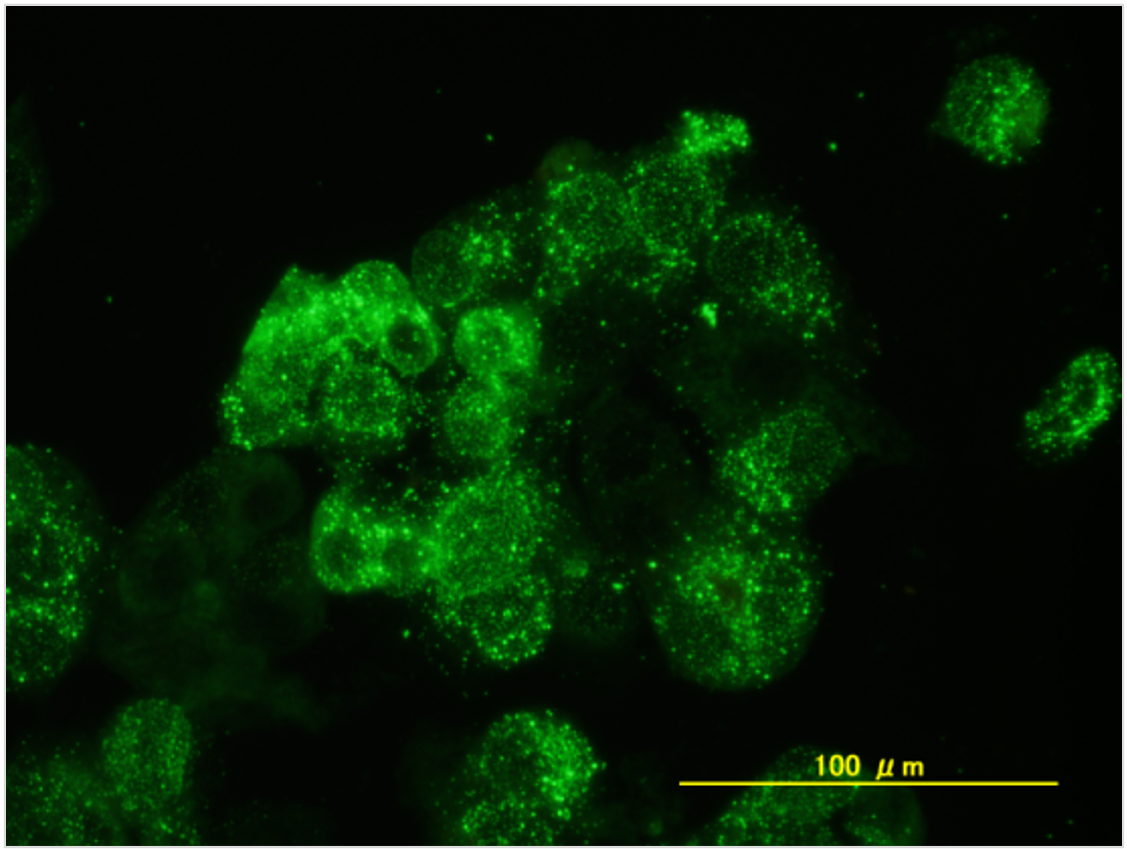
(Left) Transmission electron micrograph (TEM) of hantavirus particles in an infected kidney cell of a grey red-backed vole. Photo: Hiroaki Kariwa. (Right) Isolation of the Hokkaido virus through detection of viral antigens (green) in kidney cells of the grey red-backed vole (MRK-101 cells). Photo: Hiroaki Kariwa.
Rodents and humans
“Hantaviruses are present almost everywhere in Hokkaido’s forests,” Kariwa says, “but no human case related to the Hokkaido virus has been reported yet.”
People get infected by hantavirus when they inhale airborne virus particles from rodent urine, droppings, or saliva. This can happen when cleaning enclosed spaces, handling contaminated materials, or disturbing rodent nests, which can release the virus particles into the air.
Once inside the body, the virus targets endothelial cells that line the blood vessels, making them more permeable or leaky. As a result, fluid drips out from the bloodstream and into the surrounding tissues.
When this happens in the lungs, it leads to hantavirus pulmonary syndrome (HPS), which causes severe breathing difficulties. When it affects the kidneys, it results in hemorrhagic fever with renal syndrome (HFRS), disrupting kidney function.
Hantavirus in Japan
Japan has likely experienced sporadic hantavirus infections since long before the virus was formally identified. Like, during the 1960s and 1980s, outbreaks of the Seoul virus occurred in Osaka city and the Sendai region, when laboratory workers in research institutions were working with infected laboratory rats. However, no human cases of hantavirus infection have been reported in Japan in the past 40 years.
Globally, hantavirus infections continue to occur through rodent-to-human transmission, with one group found to be particularly vulnerable. “Farmers account for a large proportion of hantavirus infections worldwide,” notes Kariwa, “it is to do with their frequent exposure to rodents.”
Filling in the missing pieces
“Studying the evolution of the virus over all these years, many things that were a puzzle at the beginning have slowly started to make sense,” he says.
Hantavirus has proven to be notoriously difficult to study. It is hard to isolate and grow in the laboratory, and even when scientists have succeeded in doing so, they could only manage to obtain small amounts of the virus to work with.
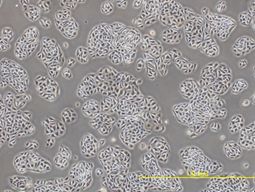
One thing that has become clear is that hantaviruses are highly host-specific. Most strains have evolved alongside specific rodent species over long periods of time.
“We can now trace the evolution of viral lineages of hantavirus, including those that became pathogenic to humans today.”
“It has taken time,” Kariwa concludes, “but we are gradually filling in the gaps.”
Hiroaki Kariwa is the recipient of the Japanese Society of Veterinary Science Award for his research on hantaviruses.
Publications related to this research:
- Molecular evolution of Hokkaido virus, a genotype of Orthohantavirus puumalaense, among Myodes rodents. Duong Thi Ngoc Thuy, Michihito Sasaki, Yasuko Orba, Passawat Thammahakin, Keisuke Maezono, Shintaro Kobayashi, Hiroaki Kariwa. Virology 597 110168-110168 July 3, 2024
- Analysis of the relationship between replication of the Hokkaido genotype of Puumala orthohantavirus and autophagy. Kazuma Tamiya, Shintaro Kobayashi, Kentaro Yoshii, Hiroaki Kariwa. Virus Research 318 198830-198830 Peer-reviewed May 28, 2022
Learn more: https://www.vetmed.hokudai.ac.jp/organization/pbhealth/publication.html