

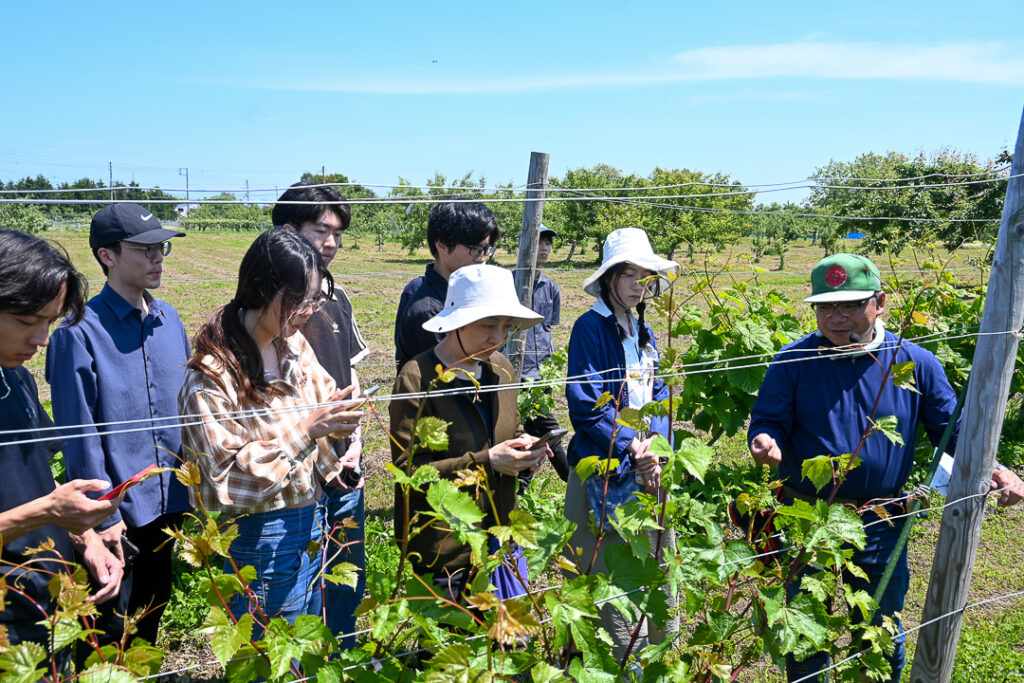
The Hokkaido Summer Institute (HSI) 2026 has started offering over 150 courses in diverse fields, and as part of it, the course HU Field School (Wine and Forest) was held from June 12-14. It began with lectures at Hokkaido University’s Center of Education and Research for Hokkaido Wines, followed by field visits to the Tomakomai Experimental Forest, Hokkaido University’s Yoichi Orchard, and NIKI Hills Winery.
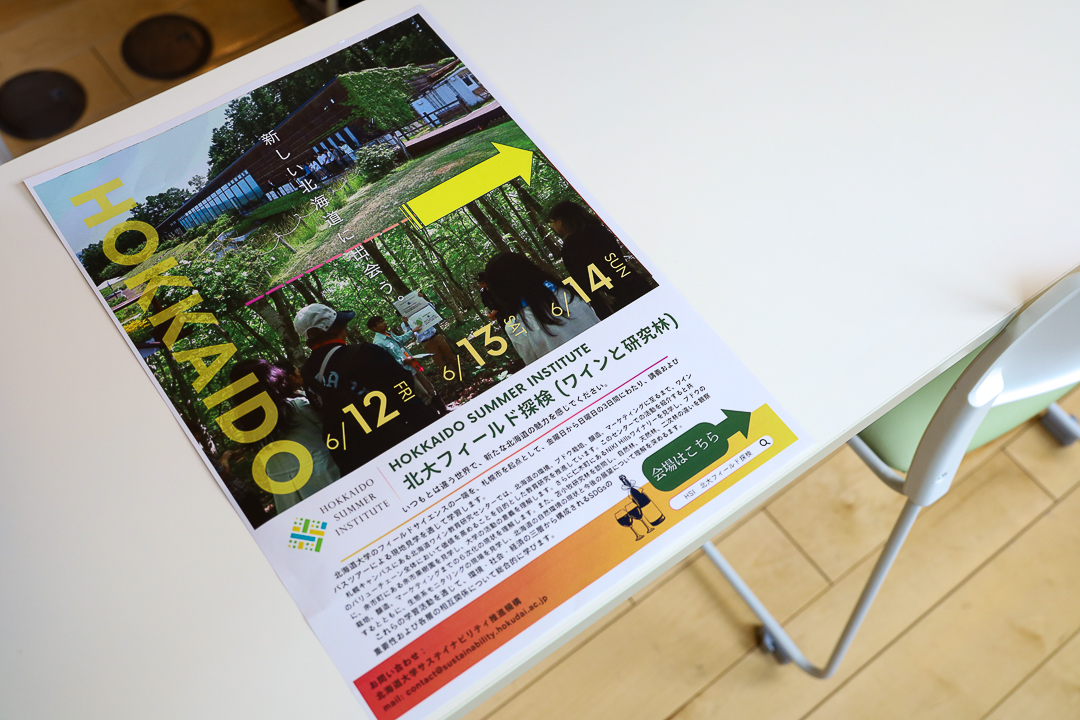
What do wine and forests have in common?
Participants explored this question through HU Field School (Wine and Forest), a course that combined classroom learning with field visits across Hokkaido. By examining the region’s growing wine industry alongside its forest ecosystems, participants gained a deeper understanding of how environmental, social, and economic sustainability are interconnected.
The course attracted a diverse group of participants, including undergraduate and graduate students, and working professionals from across Japan. During the introductory session, participants shared their motivations for joining the course. Some were interested in experiencing a course unique to Hokkaido, while others were drawn by their interest in wine, regional revitalization, or environmental issues.
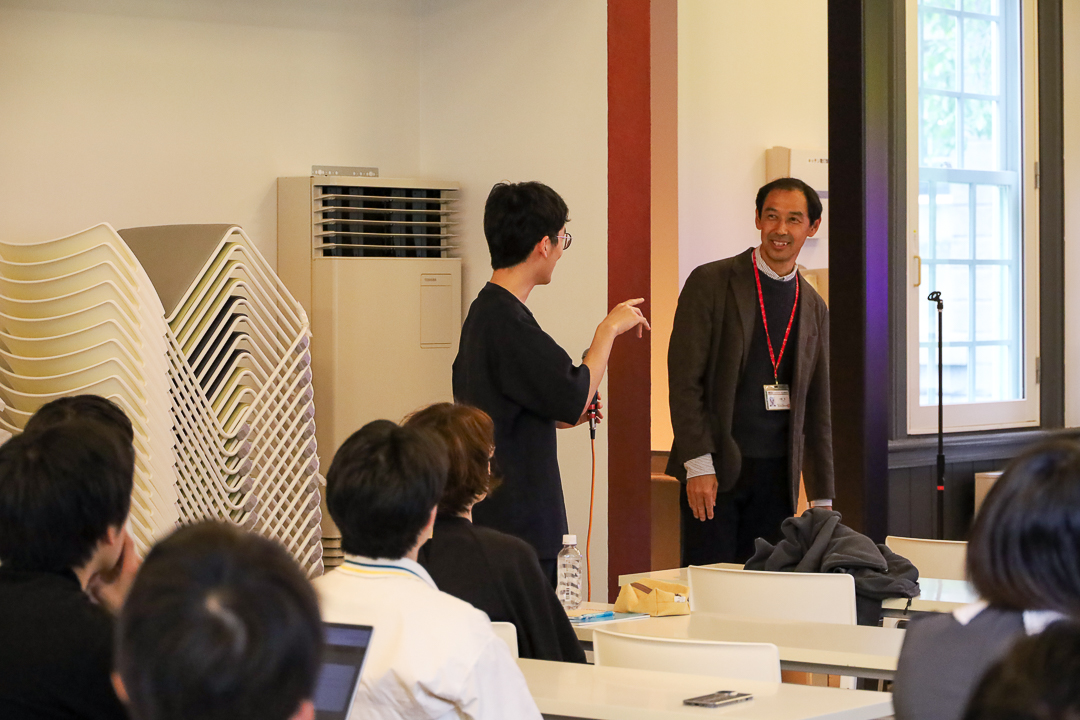
According to the course coordinator, Professor Satoru Kato of the Institute for the Advancement of Sustainability, participants came from a wide range of academic backgrounds, with roughly equal numbers from the humanities and sciences.
Learning About Hokkaido’s Wine Industry
The course began with a lecture by Professor Teruo Sone, director of the Center of Education and Research for Hokkaido Wines at Hokkaido University. He explained how wine reflects the characteristics of the land where its grapes are grown—a concept known as terroir—and can express a region’s climate, landscape, and culture.
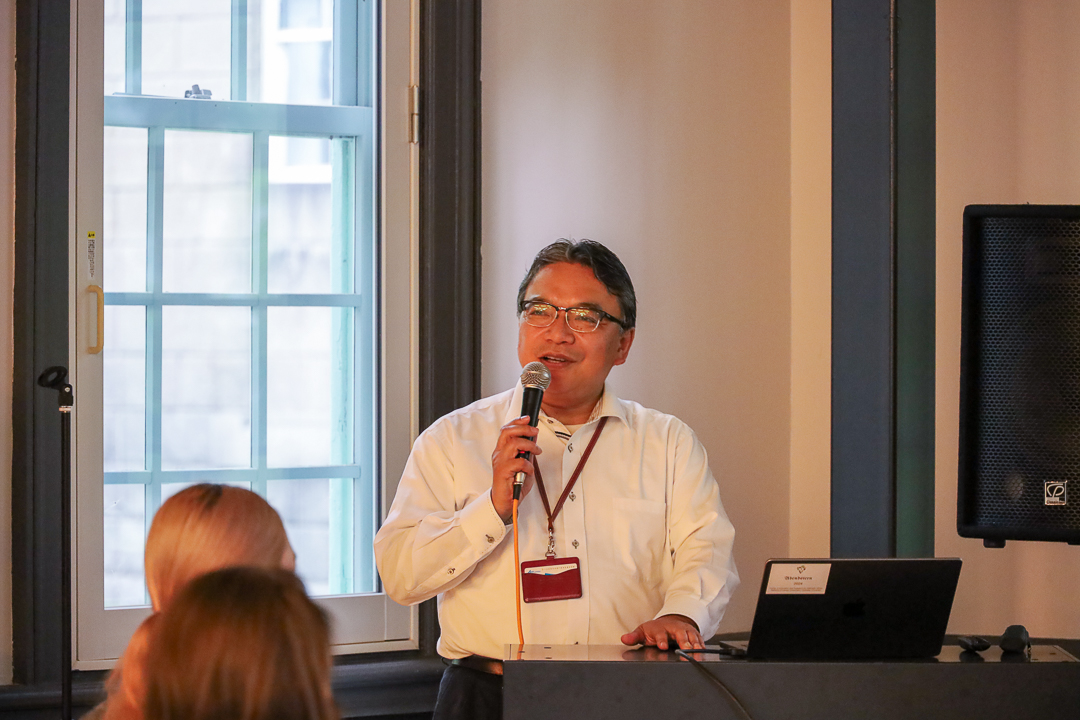
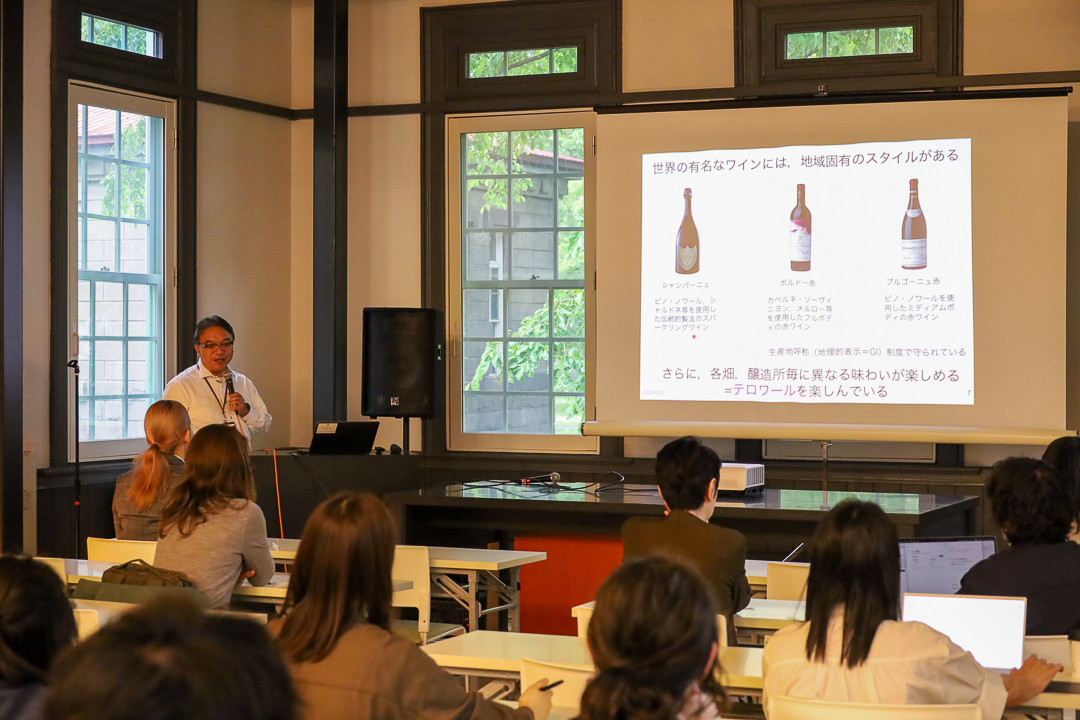
Prof. Teruo Sone of the Center of Education and Research for Hokkaido Wines (Photos: Miriam Ilsa Arfani)
Using California’s Napa Valley as an example, Professor Sone also discussed how wine production can support tourism, create jobs, and revitalize local communities. With Hokkaido’s wine industry continuing to grow, the University’s Center of Education and Research for Hokkaido Wines brings together researchers from fields such as climate science, entomology, aroma science, and marketing to help address challenges faced by local wineries.
The lecture prompted numerous questions from participants and was followed by a tour of the Center, where they learned more about Hokkaido University’s wine-related education and research.
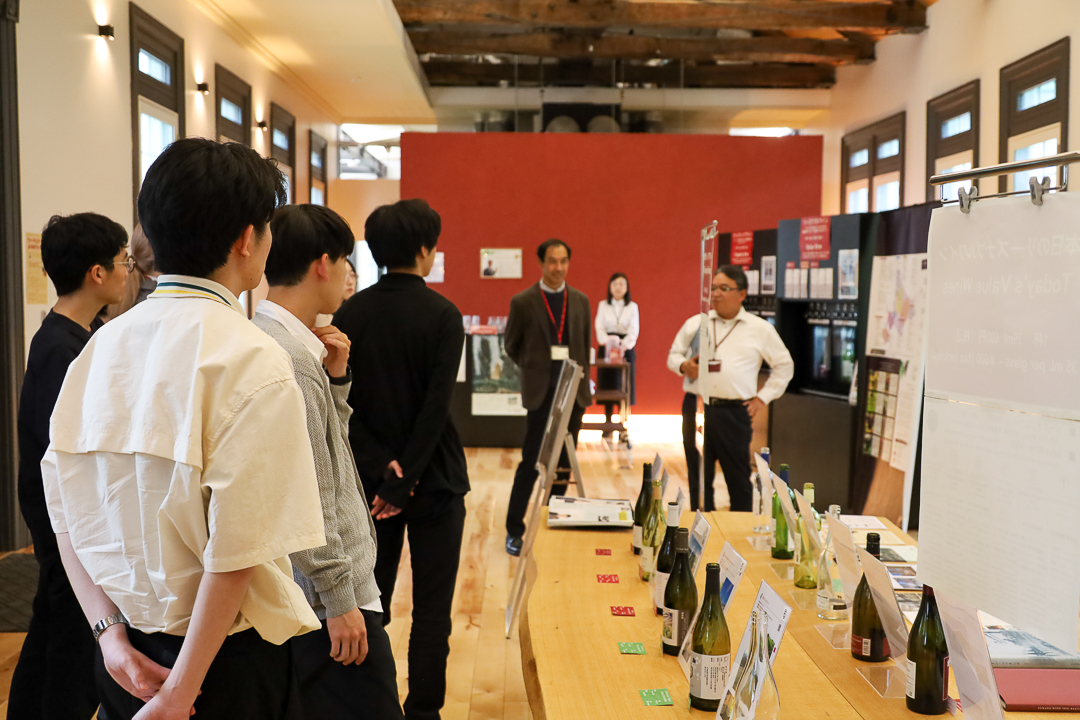
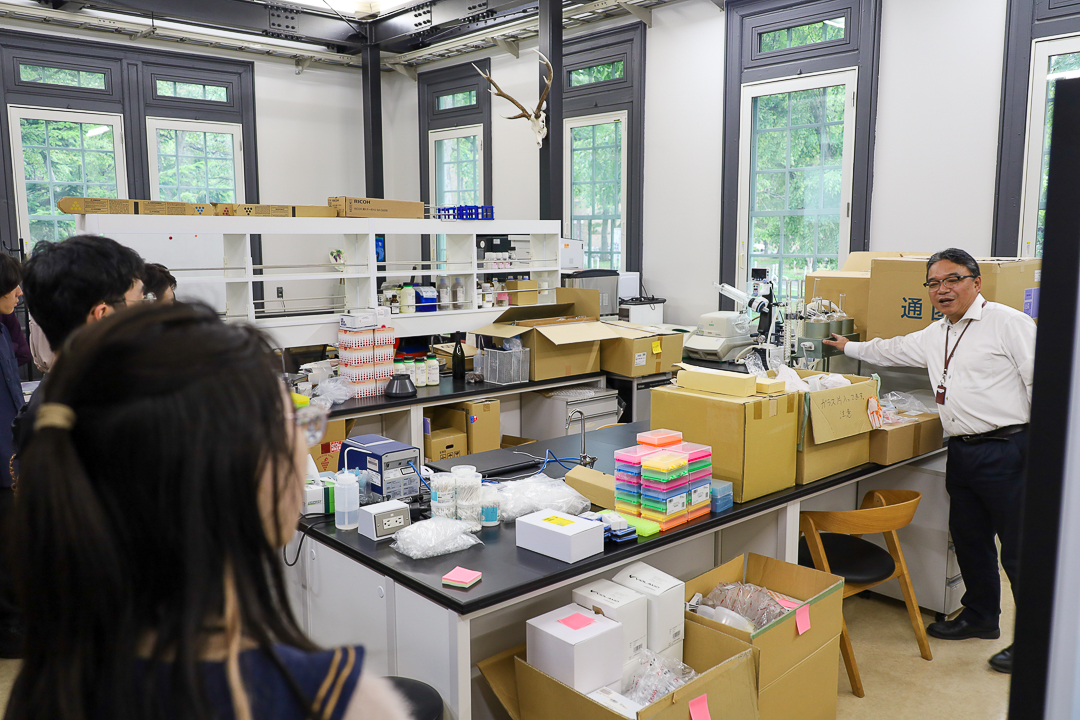
Tour of the Center of Education and Research for Hokkaido Wines (Photos: Miriam Ilsa Arfani)
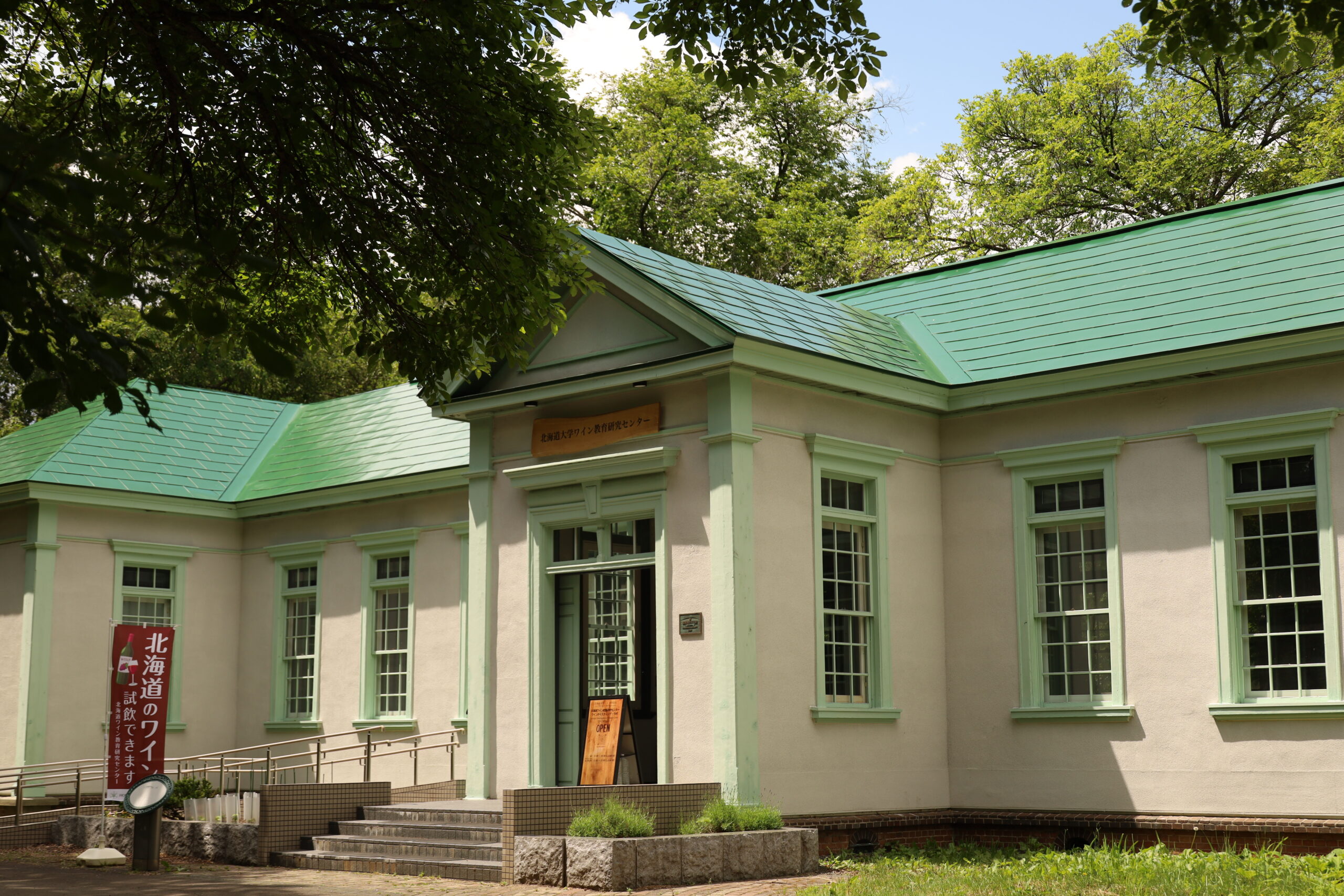
Learning Through Field Experiences
The classroom sessions were followed by field visits to several sites across Hokkaido.
During the weekend fieldwork, participants visited Hokkaido University’s Tomakomai Experimental Forest, where they observed natural, virgin, and secondary forests and visited the ecosystem-monitoring sites.
Through this session, participants gained an understanding of the concept of Nature-based Solutions (NbS), which seeks to address societal challenges by utilizing the power of nature in ways that benefit both ecosystems and human well-being. They also learned about the importance of the university’s long-term, large-scale research and monitoring efforts in its experimental forest.

They also visited Hokkaido University’s Yoichi Orchard and NIKI Hills Winery in Niki Town. The visits introduced participants to grape cultivation, winemaking, and marketing, as well as initiatives supporting Hokkaido’s wine industry.
At the Yoichi Orchard, they toured the facilities where wine grapes, haskap berries, apples, and other crops are grown, and learned how they use wine quality analyzers to monitor the fermentation process. At NIKI Hills Winery, they toured the commercial vineyards where wine grapes are grown and observed the winemaking and bottling processes.
Through this series of facility tours, the participants learned that wine offers more than just the appeal of an alcoholic beverage; it also has the power to connect Hokkaido’s diverse regional cuisines and tourism resources, thereby attracting people to the region.

-scaled.jpg)
Left: Fieldwork at the Yoichi Orchard, Right: Fieldwork at NIKI Hills Winery
(Photos: Institute for the Advancement of Sustainability)
Through both lectures and field experiences, participants explored the connections between environmental conservation, economic activity, and community well-being. The course offered a unique opportunity to experience Hokkaido’s natural and cultural resources while gaining a deeper appreciation of the challenges and opportunities involved in building a more sustainable future.
HSI 2026 is currently underway and will continue until October 2026.
To learn more, visit the HSI website: https://hokkaidosummerinstitute.oia.hokudai.ac.jp/