
HU hosts a Professional Staff Development Program with UoM
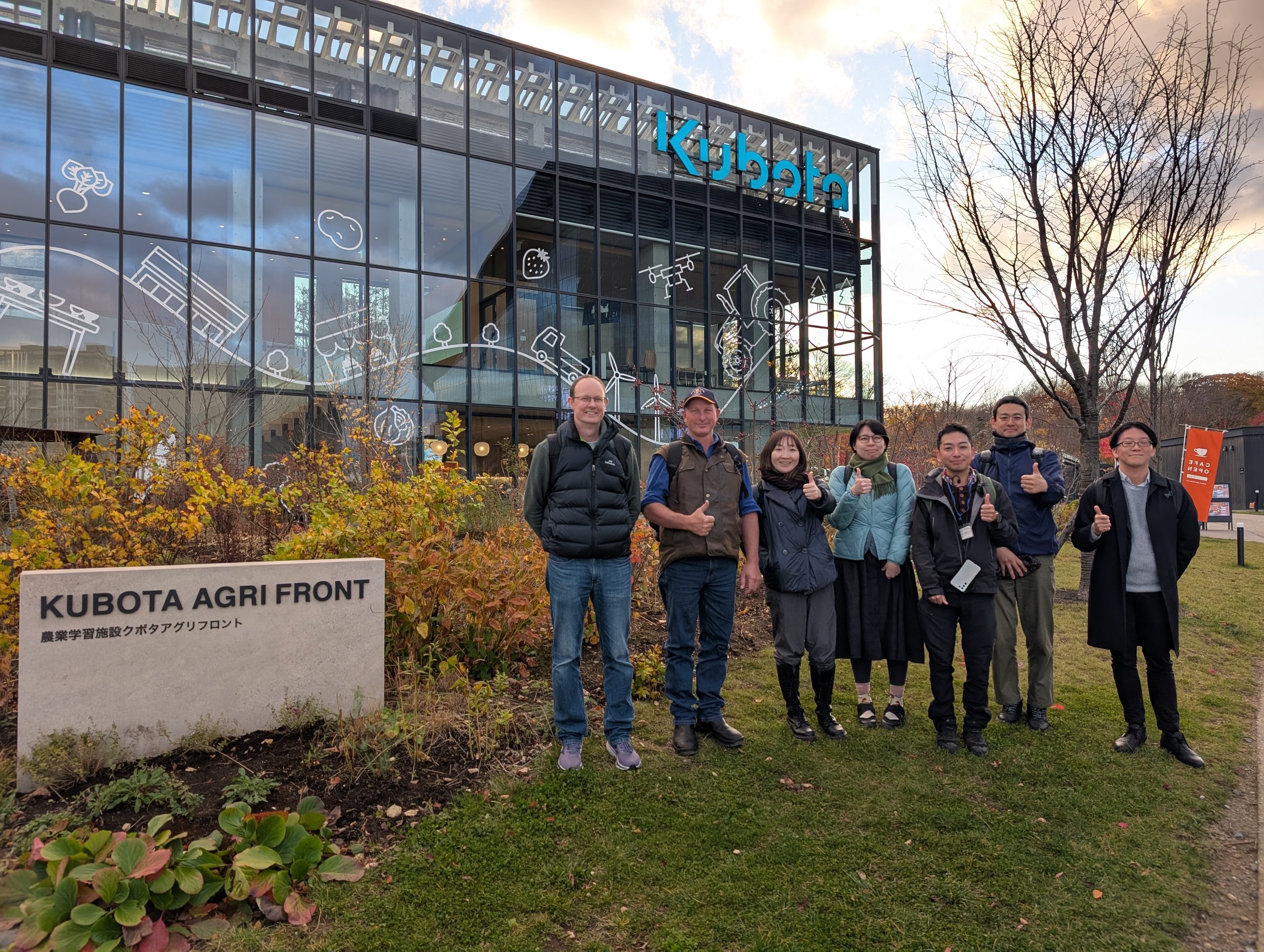
From 2 to 6 November, Hokkaido University hosted two professional staff members from the University of Melbourne (UoM), one of the University’s strategic international partners, for a week-long professional staff development program.
Supported by funding from the Japanese government’s J-PEAKS (Program for Forming Japan’s Peak Research Universities) initiative, the Program builds on the two-way professional staff development program conducted with the University of Massachusetts Amherst (UMass Amherst) in autumn 2025 and summer 2026.
The University of Melbourne delegation comprised Associate Professor Paul McMillan, Manager of the Biological Optical Microscopy Platform, one of UoM’s core research facilities, and Nathan Anderson, Farm Manager at the Dookie campus. Their HU counterparts were three Technical Specialists, Ayako Mori of the Faculty of Pharmaceutical Sciences, Naohiro Otsuka of the Faculty of Engineering, and Kinya Ito of the Field Science Center for Northern Biosphere, together with Taena Uemura, Senior Academic Specialist at the Office for International Collaborations.
During his visit, Associate Professor McMillan toured a wide range of Hokkaido University’s research facilities, including the Isotope Microscope, Ultra-High Voltage Electron Microscopy Facility, Advanced NMR Facility, Nano-Micro Materials Analysis Facility, the Laboratories of XPS Analysis and Molecular Chemical Biology, as well as facilities with substantial external use, including the VR Theatre. The visits prompted discussions on opportunities for shared use of core facilities between the two universities and the possibility of jointly organising seminars online.
Mr Anderson visited the Faculty of Veterinary Medicine and facilities of the Field Science Center for Northern Biosphere, including laboratory animal facilities and crop and floriculture fields. He also visited the Second Farm of the former Sapporo Agricultural College and the Smart Agriculture Education and Research Center. The Program offered an opportunity to observe the development of agriculture in Hokkaido, from farming practices originally introduced from New England to today’s advanced smart-agriculture technologies. Comparing these with Australia’s large-scale farming environment, Mr Anderson took a particular interest in livestock management on an urban campus, the design of drainage systems and fencing, crop breeding, and even the types of tractors preferred by local farmers, asking detailed questions throughout his visits.
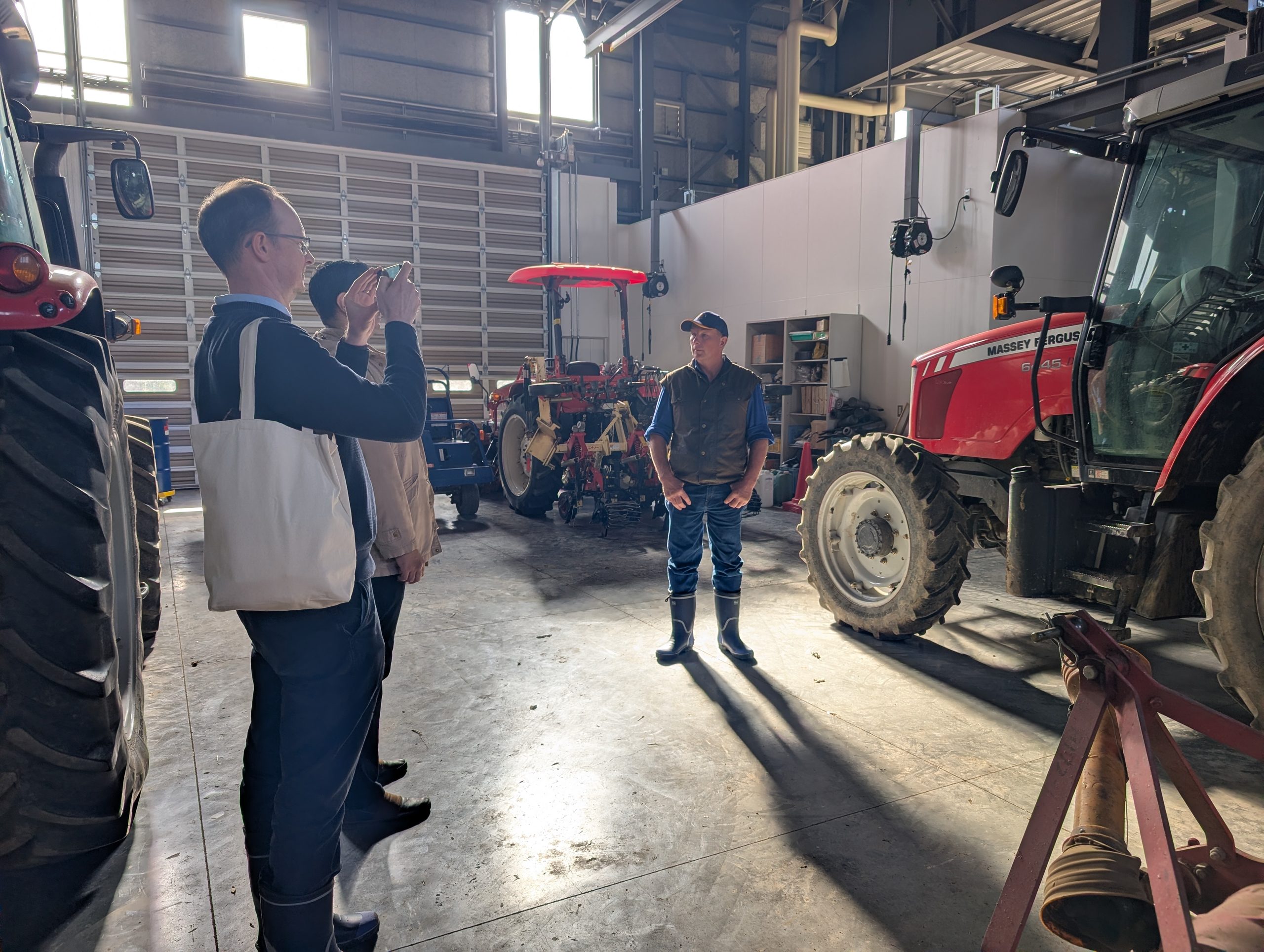
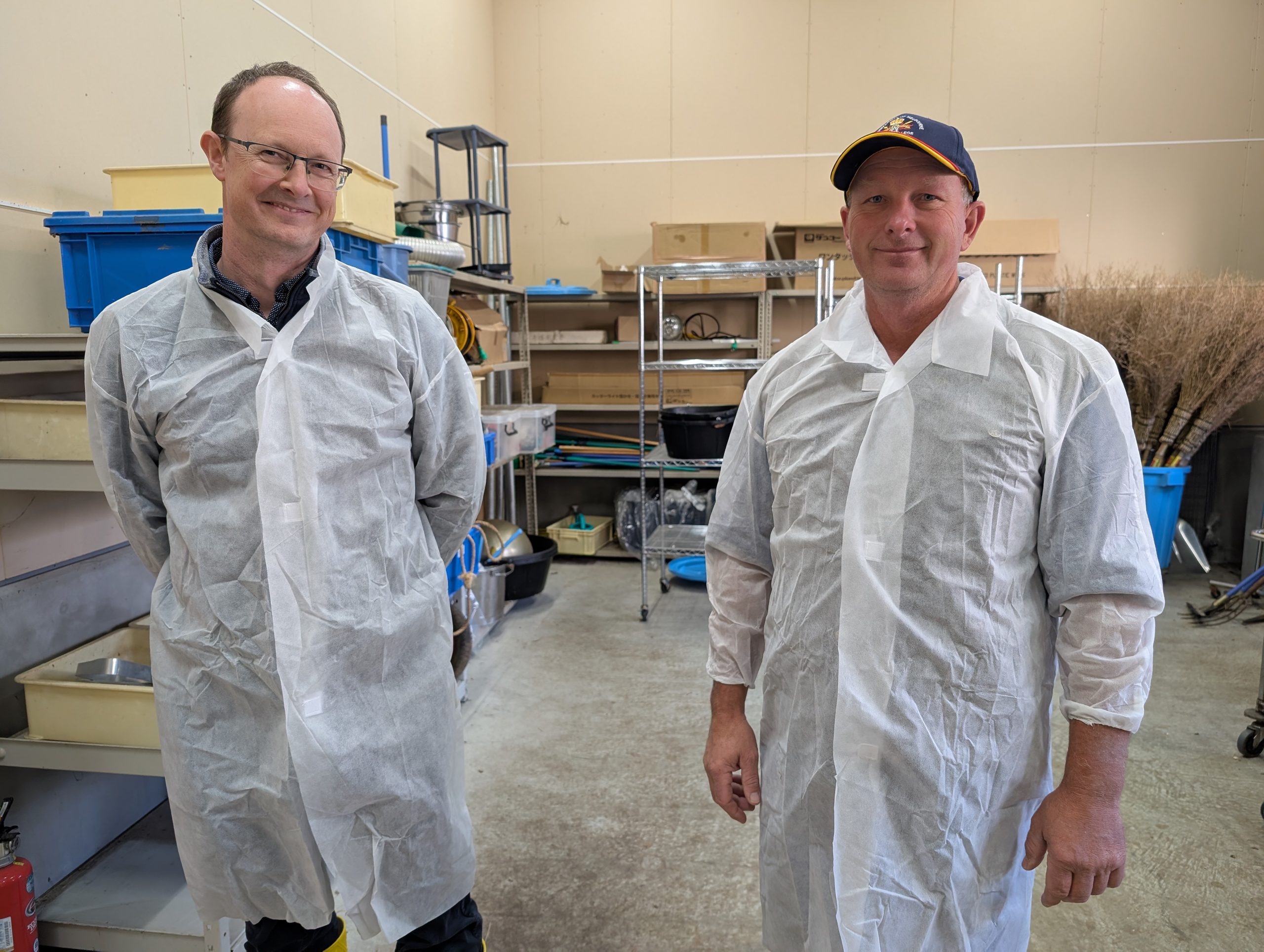
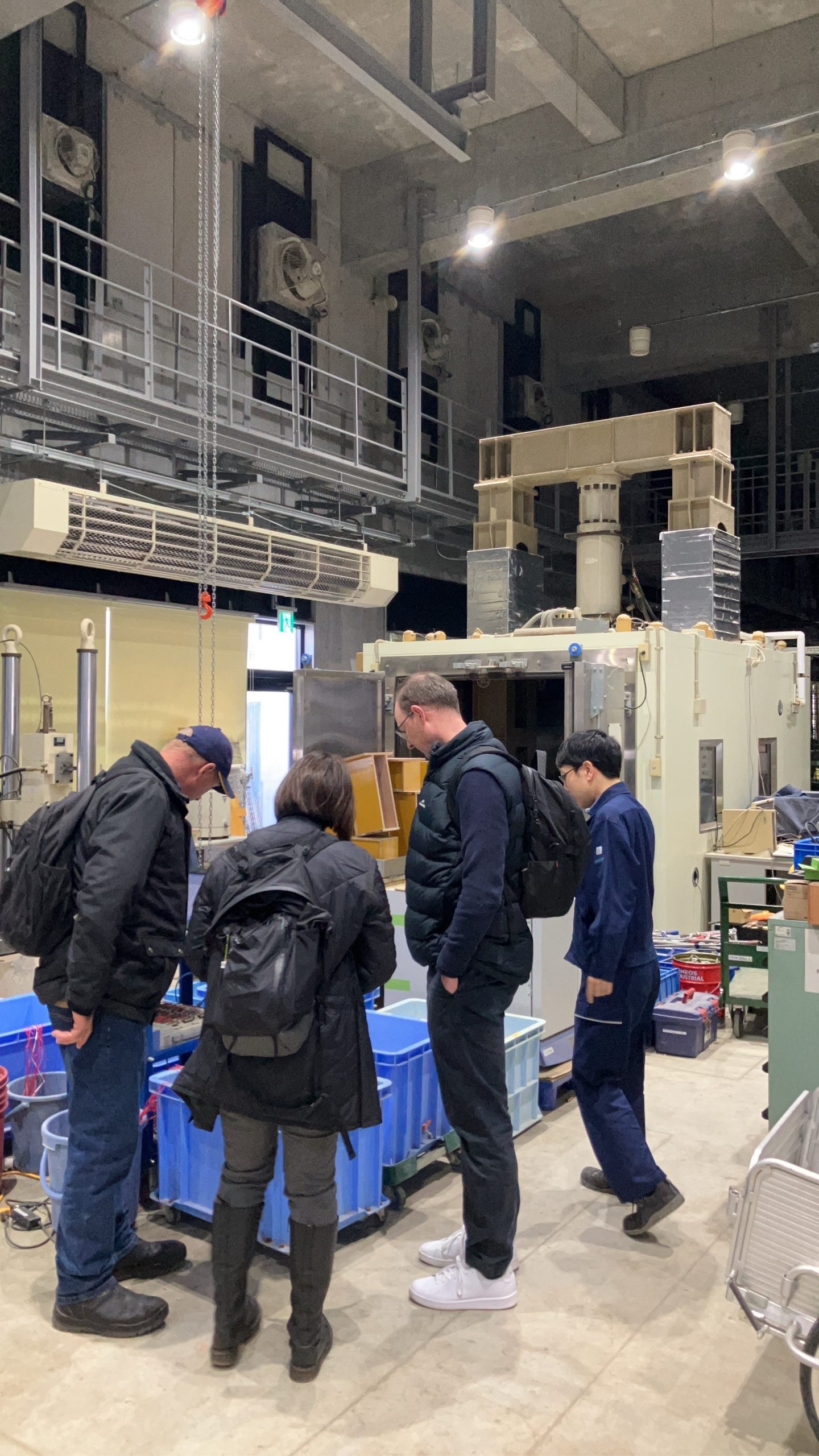
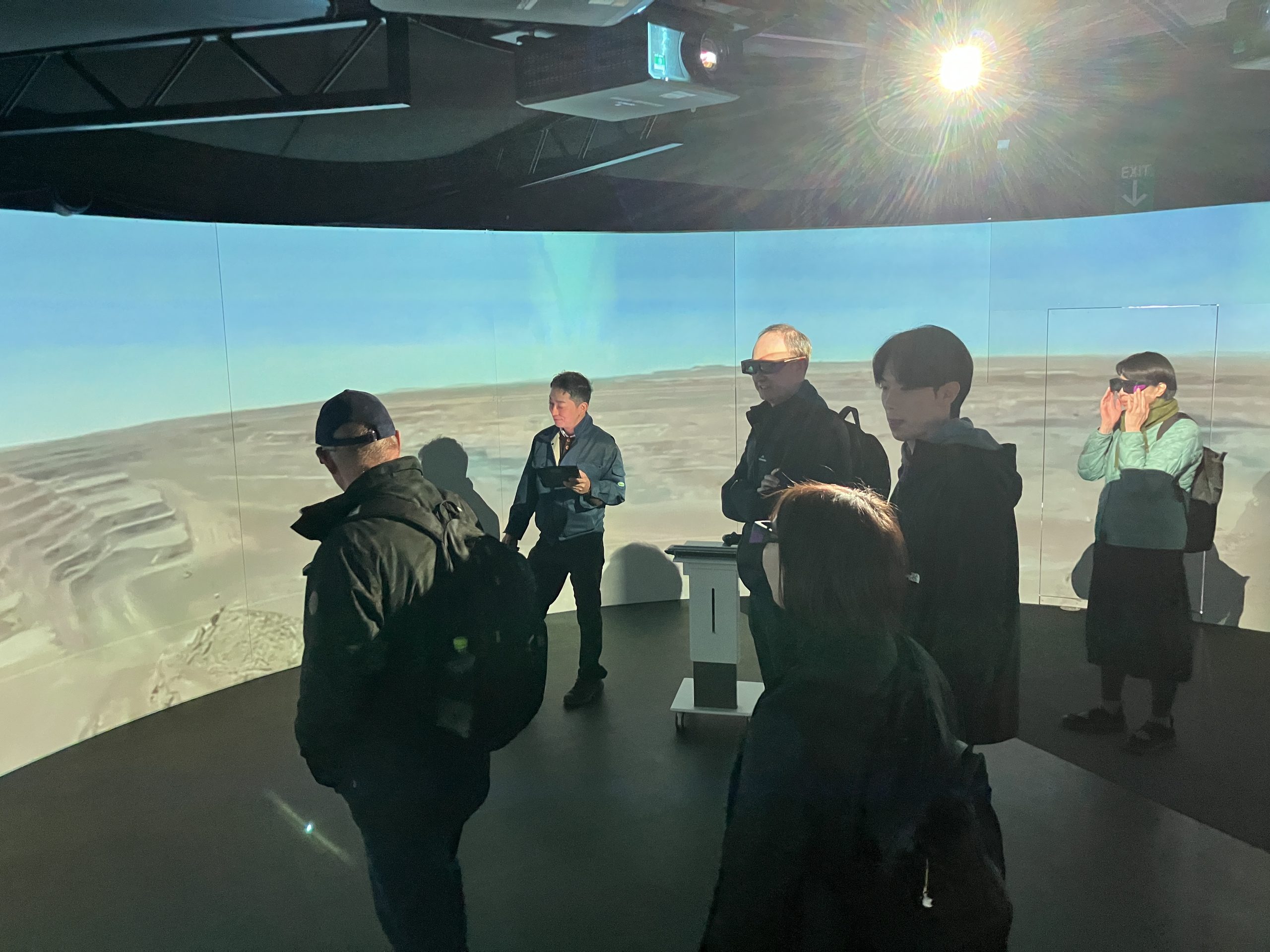
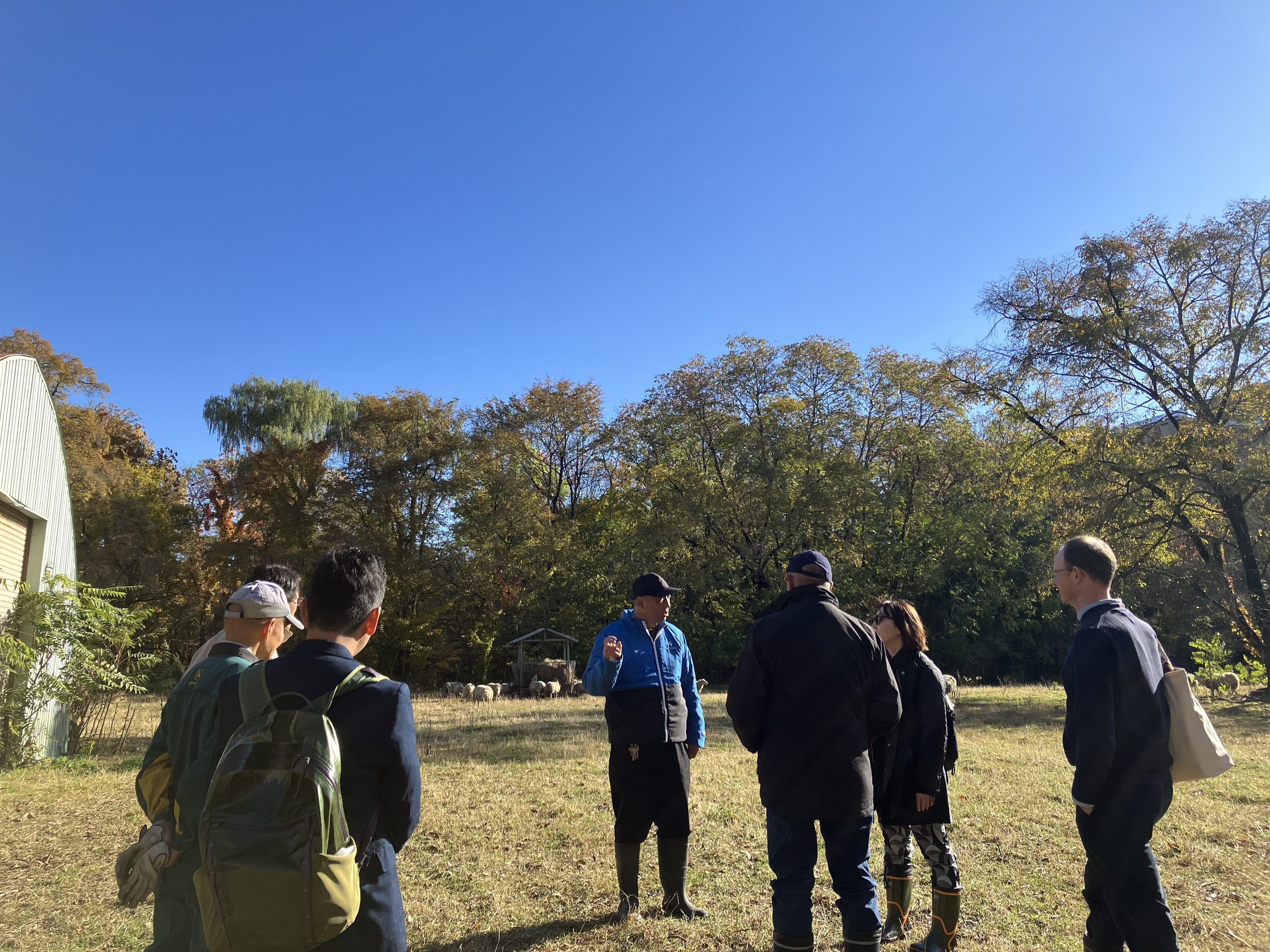
The Program also brought together colleagues from Hokkaido University’s Office for Integrated Technical Core Hub (ITeCH) and University leadership, as well as faculty members from veterinary medicine and pharmaceutical sciences who had previously visited the University of Melbourne. Their participation highlighted how the relationship between the two universities has continued to broaden across multiple fields over the years.
Discussions extended across a wide range of practical issues shared by research and technical staff at both institutions. Topics included how to manage and renew similar research instruments distributed across multiple departments more efficiently; how to keep shared-equipment databases accurate and up to date; how to prioritise the renewal of research infrastructure; how to maintain staff engagement and a sense of purpose as operations become increasingly automated; and how to provide students with meaningful hands-on experiences in an environment where opportunities to interact directly with equipment, animals, and agricultural production may be increasingly limited. The exchange generated lively discussions throughout the week and provided many opportunities for colleagues from both universities to share experiences and practical ideas.
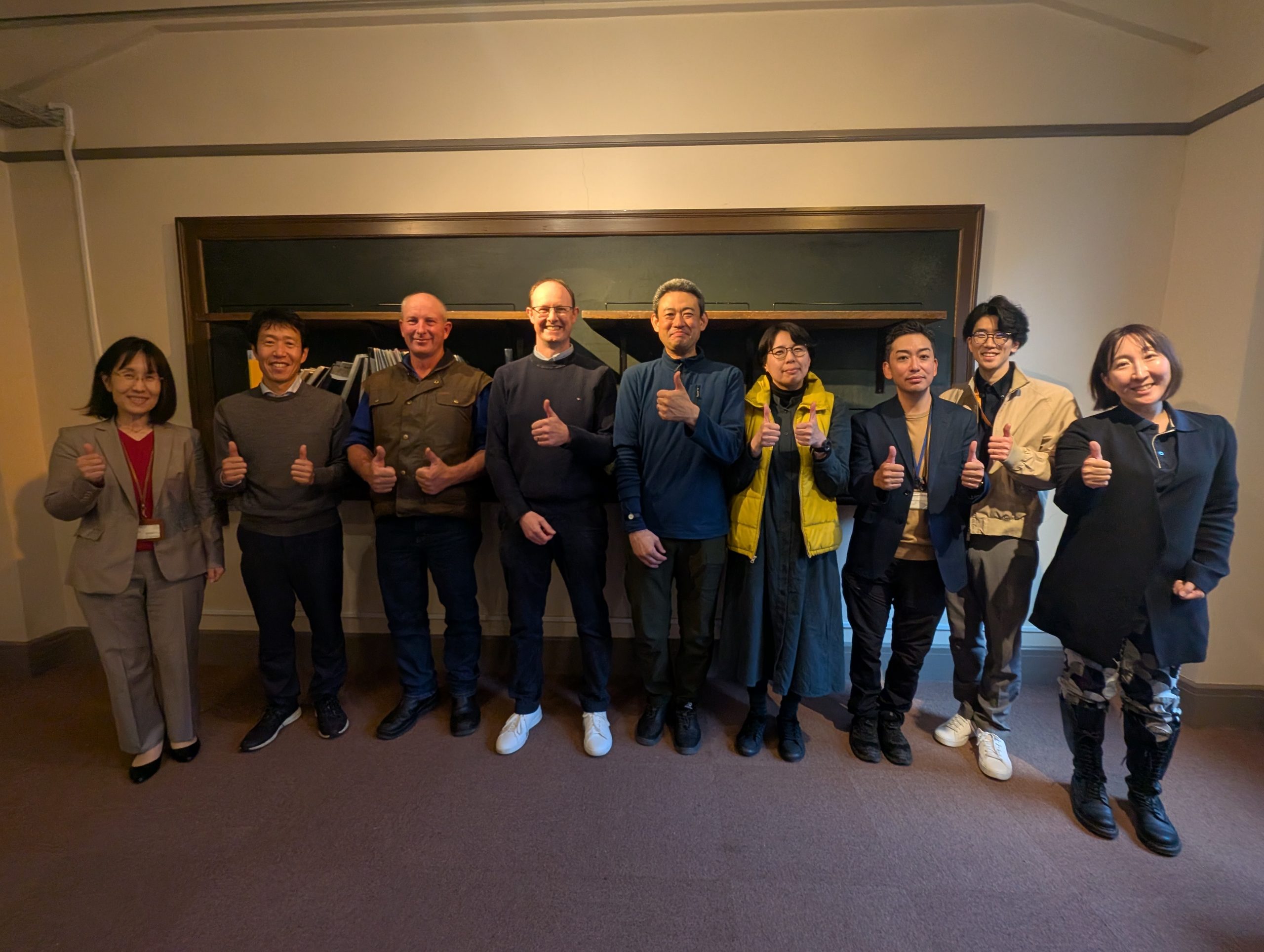
As the next step in this two-way program, the University of Melbourne is expected to host the reciprocal staff development program in spring 2027, further strengthening professional and technical links between the two institutions.
(Photos and text provided by the Office for International Collaborations and ITeCH)