Skip to content
  • catcHUp
  • Give
  • JA
    • President’s Message
    • HU Vision 2030
    • HU Global Vision 2040
    • 150th Anniversary
    • Hokkaido Universal Campus Initiative
    • Sustainability Declaration
    • Diversity, Equity, and Inclusion (DEI)
    • aynu sisam urespa ukopirkare us i/Ainu and Indigenous Peoples
    • Philosophies
    • History
    • In Numbers
    • Awards
    • Honorary Degree Recipients
    • University Symbol
  • J-PEAKS
  • Sustainability
  • Campus
    • General Organization
    • Governing Organization
    • Administrative Organization
  • Institutes/Offices
    • University Library
    • University Museum
    • University Hospital
    • Veterinary Teaching Hospital
    • Health Care Center
    • Training Vessels
    • Experimental Forests and Farms
    • Aquatic Research Stations
    • Archaeological Research Center
    • University Archives
    • Event and Seminar Spaces
    • Gardens and Parks
    • Shops
    • Restaurants/Dining
  • Brochures
    • Public Relations Contact
    • Press Room
    • Social Media
    • E-Newsletter
    • Law
    • Fisheries Sciences
    • Environmental Earth Science
    • Science
    • Pharmaceutical Sciences
    • Agriculture
    • Life Science
    • Advanced Life Science
    • Education
    • Media, Communication, and Tourism
    • Health Sciences
    • Engineering
    • Chemical Sciences and Engineering
    • Economics and Business
    • Medicine
    • Dental Medicine
    • Veterinary Medicine
    • Biomedical Science and Engineering
    • Infectious Diseases
    • Global Food Resources
    • Humanities and Human Sciences
    • Information Science and Technology
    • Public Policy
    • Low Temperature Science
    • Electronic Science
    • Genetic Medicine
    • Catalysis
    • Zoonosis Control
    • Slavic-Eurasian Research
    • Information Initiative
    • Chemical Reaction
    • Vaccine
    • Food and Medical
    • Joint Facilities/Research Centers
    • Institute for Academic Innovation
    • Center for Open Education
    • Student Counseling and Support Center
    • Center for Career Design
    • Doctoral Human Resource Development Unit
    • Joint Facilities/Educational Centers
    • Nitobe College
    • One Program for Global Goals
    • Double Degree Program and Cooperative Research Guidance
    • Outbound Programs
    • Open Courseware
    • Climate Change
    • SDGs Interviews
    • Spotlight on Research
    • Tackling Global Issues
    • Find an Academic Paper
    • Find a Researcher
    • Find Grant
    • Global Research and Education
    • Integrated Innovations
    • Business-Regional Collaboration
    • Program for Forming Japan’s Peak Research Universities (J-PEAKS)
    • Cross-ministerial Strategic Innovation Promotion Program (SIP)
    • COI-NEXT
    • Undergraduate Admissions Overview
    • Modern Japanese Studies Program
    • Integrated Science Program
    • Graduate Admissions Overview
    • Application Steps
    • Study in English
    • Study in Japanese
    • Hokkaido Summer Institute (HSI)
    • Short-Term Exchange in English (HUSTEP)
    • Japanese Language and Culture (JLCSP)
    • Special Auditor & Special Research Student
    • Scholarships for Prospective Students
    • Student Fees
    • Financial Support
  • Campus Life Overview
  • Japanese Language Courses
  • Health Care
  • Student Dormitories
  • Researcher’s Accommodation
  • Sport and Recreation
  • Clubs and Societies
  • Career Support
  • Students and Staff Communities
  • University Festivals
  • Discover Hokkaido
    • Inter-University Exchange Agreements
    • Departmental Exchange Agreements
    • International Consortia
  • International Visits
    • Seoul National University
    • The University of Melbourne
    • The University of Massachusetts Amherst
  • Global PR Ambassador
    • International Student Growth
    • Number of International Students
  • Strategy and Organization
  • Sapporo Campus
  • Hakodate Campus
  • Information Center (Sapporo)
  • Shuttle Bus
  • Sapporo Campus Map
  • Hakodate Campus Map
    • Academic Information (ELMS)
    • Wi-Fi and the Campus Computer Network
    • How to Use Libraries
    • Syllabus Search
    • Logo Guidelines (internal-only)
    • About Press Releases (internal-only)
    • Starting a Social Media Account (internal-only)
    • Find Translated Database (internal-only)
    • Campus AEDs
    • Safety Confirmation System
    • Preventing Harassment
  • Information for International Colleagues
  • Information for International Students
  • HANDBOOK for International Students
  • Alumni
Hokkaido University
magazin-article

Strengthening Japan–India partnership for science and innovation

  • Campus
  • International Relations
  • Academic
Nov 02, 2026
Megha Kalra

A recent international conference at Hokkaido University brought together researchers from Japan, India, and beyond to explore collaborations that can help tackle challenges in food, health, and materials science.

Japan, with its advanced technological capabilities and research infrastructure, and India, with its rich talent pool of young researchers, engineers, and innovators, are an ideal match — a winning combination for advancing science and innovation globally. Together, their complementary strengths could form the basis of a powerful partnership to address some of the global challenges facing society today.

This was the vision behind the International Conference on Advanced Technologies for Sustainable Food, Health, and Materials (ICATS-FHM 2026) held at Hokkaido University from September 9–10. 

In the last century, India’s Green Revolution in agriculture and White Revolution in dairy development helped the country move from food scarcity to self-sufficiency. In Japan, a similar revolution in farming technologies helped to develop cold-climate agriculture and established Hokkaido as a major provider of agricultural products for Japan. These remarks, shared during the inauguration of the conference highlighted a common vision that the two countries share, which is to leverage science and technology as key drivers of progress and prosperity.

With the aim of further strengthening the research networks between India and Japan, the ICATS-FHM 2026 conference was jointly organized by Hokkaido University and the India Japan Society for Science, Technology and Education (IJSSTE), along with support from the Japan Science and Technology Agency (JST).

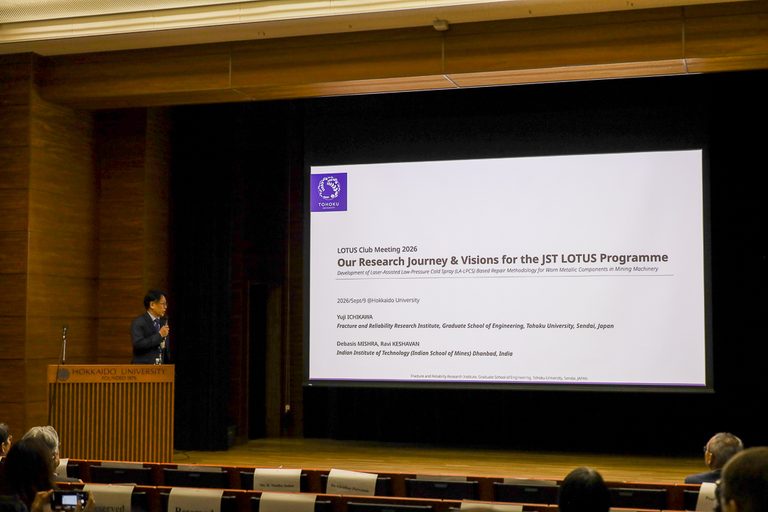
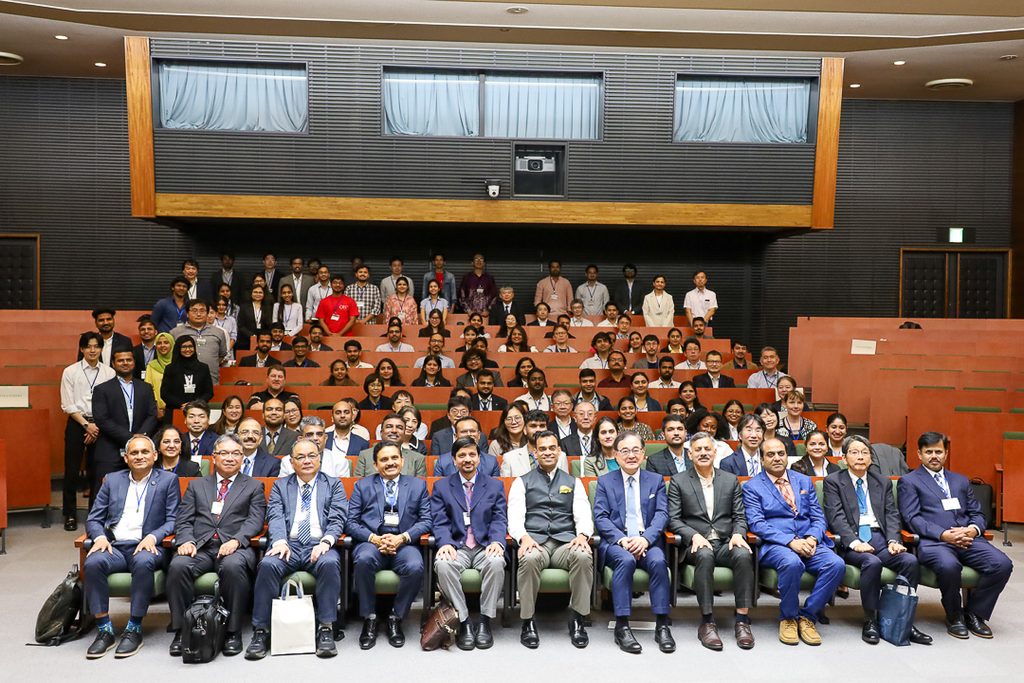
Around 150 researchers from Japan, India, US, and Taiwan came together at the conference to share their research findings, exchange ideas, and build connections across disciplines. Among the participants were also researchers who are involved in Japan’s recent initiatives to attract talented Indian researchers, such as the LOTUS program and the Sakura Science program.

Launched by JST in 2024, the India–Japan Circulation of Talented Youths in Science program, more popularly known as the LOTUS program, is now in its third year. The 2026 cohort is expected to bring 1,000 Indian researchers to Japan.
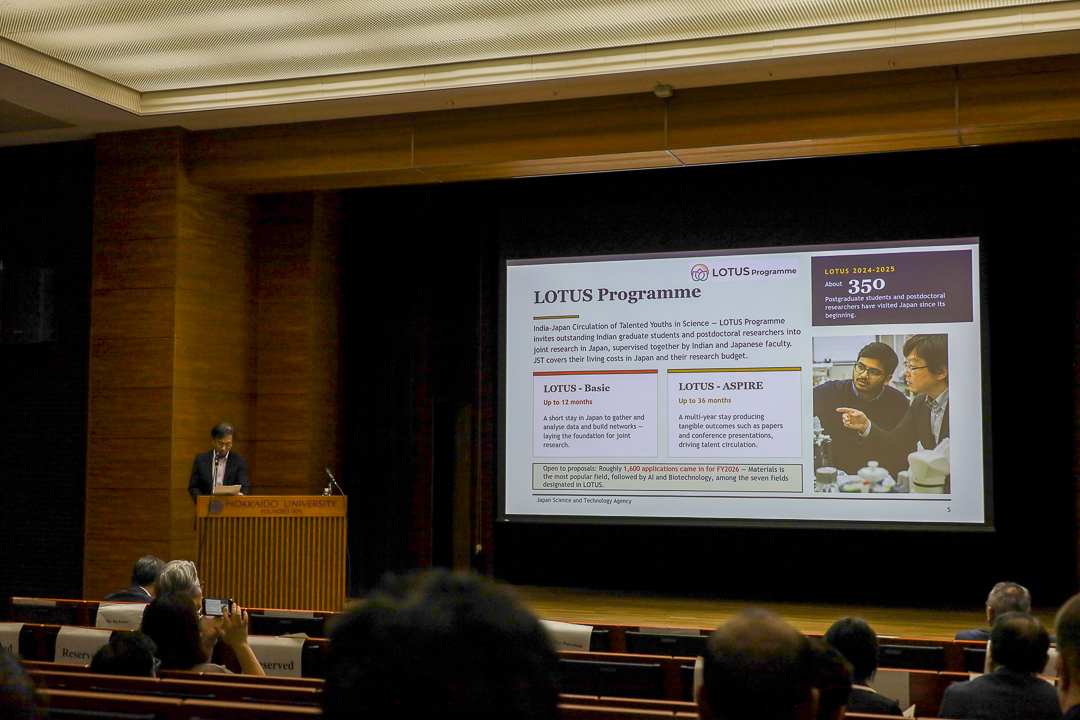
Japan Science and Technology Agency (JST) launched the LOTUS program in 2024 to attract talented Indian researchers to Japan.

Having a robust network is crucial to the success of such programs, and conferences like ICATS-FHM 2026 provide an important opportunity to build and strengthen these connections.

The conference was inaugurated by several dignitaries involved in Japan–India relations, including Mr R. Madhu Sudan, Deputy Chief of Mission at the Embassy of India in Tokyo, who highlighted the complementary strengths of the two countries.
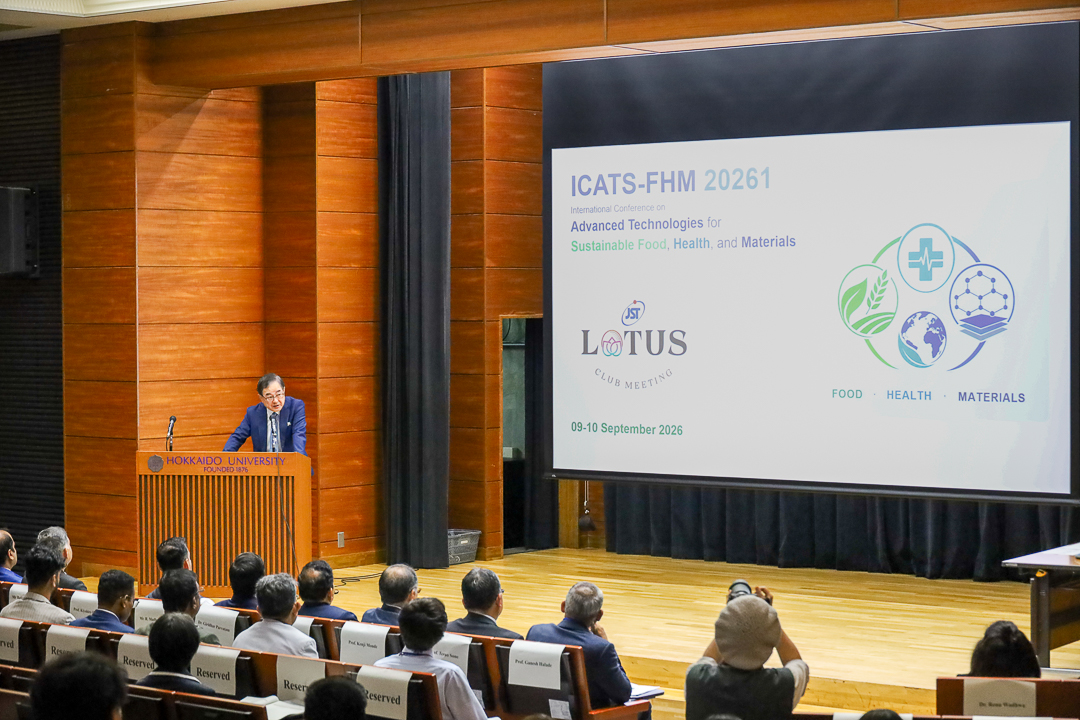
Hokkaido University President Kiyohiro Houkin introduced the university’s plan to expand the intake of early-career Indian researchers and promote new collaborative research initiatives.
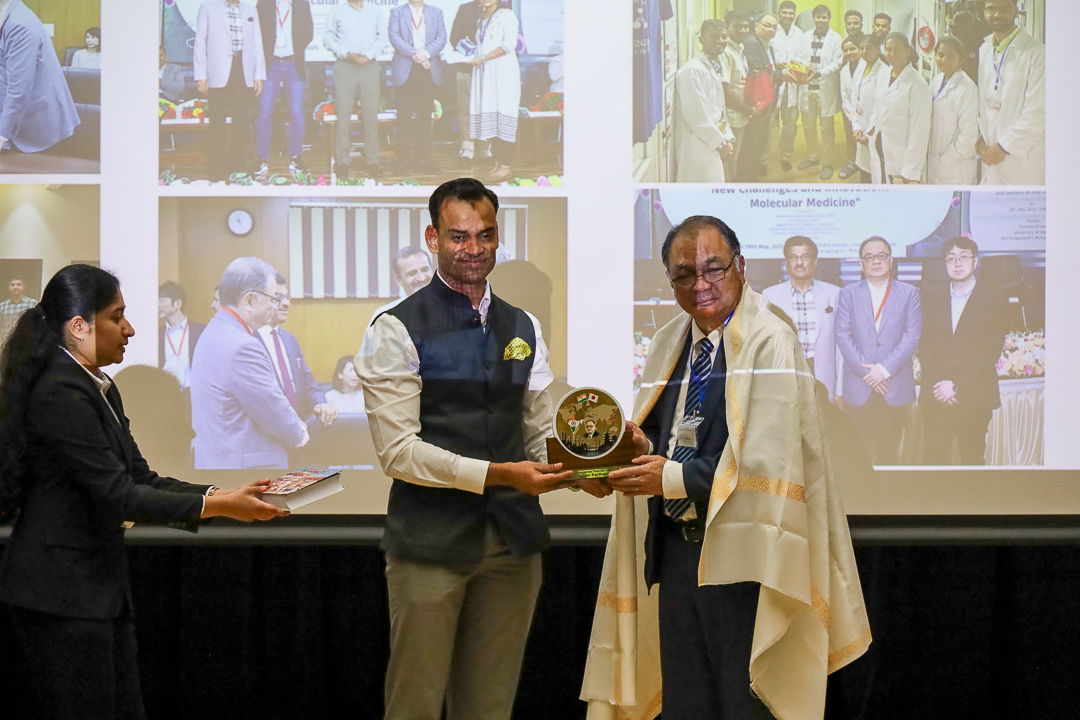
Professor Kenji Monde, Vice Executive Director of the Faculty of Advanced Life Science at Hokkaido University, was awarded the Distinguished Teacher Award for India–Japan Partnership.

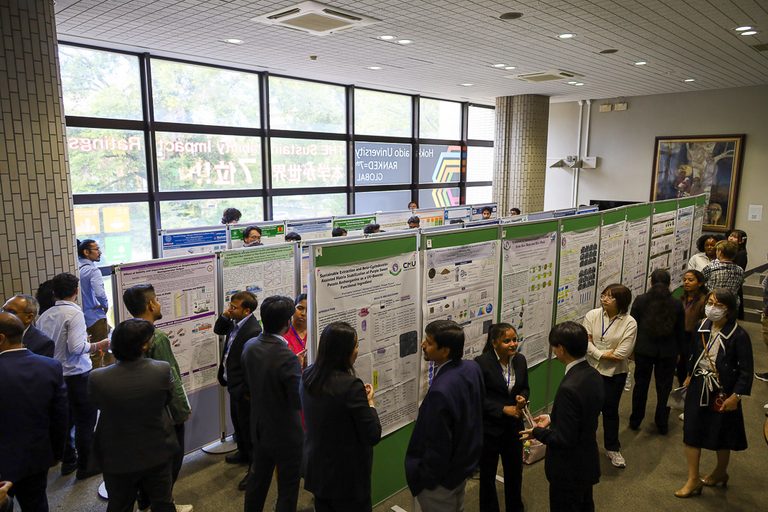
Across plenary and invited lectures, oral presentations, and poster sessions, researchers presented their work at the intersection of science, innovation, and sustainability.

The presenters highlighted research achievements made through Japan–India research collaborations and talent development. Indian researchers who had spent time in Japan spoke about how the international research environment had broadened their perspectives and strengthened their research skills and methodologies. Working alongside distinguished researchers also helped them develop professional networks that could continue long after their research placements ended. For many, these experiences contributed significantly to their personal and academic growth.

Young researchers, especially, are attracted to Japan’s advanced research facilities and academic environment. Other participants spoke about the practical knowledge they gained through their experience. One researcher, for example, described gaining valuable know-how about Japanese systems that could very well be applied to disaster-management challenges in India.

“The JST LOTUS Programme and IJSSTE serve as vital bridges for India–Japan research exchange,” says conference chair Associate Professor Siddabasave Gowda B. Gowda of Hokkaido University. “By bringing together India’s talented young researchers and Japan’s advanced technologies, we can further strengthen scientific and technological cooperation between our two countries.”

The inaugural ICATS-FHM 2026 conference is the first of four conferences planned for fiscal year 2026. As these connections continue to grow, so too does the potential for Japan and India to work together on the scientific and technological challenges that will shape the future.


Written by Megha Kalra, photos by Miriam Ilsa Arfani
Public Relations & Communications Division

Share
  • Facebook
  • X
  • Linkedin
  • Bluesky
  • Threads
View all articles

Related

    • Campus
    Strengthening Japan–India partnership for science and innovation
    Nov 02, 2026
    • Campus
    Hokkaido Indonesian Student Association Scientific Meeting (HISAS) brings researchers together at Hokkaido University
    Oct 27, 2026
    • Campus
    Experiencing agriculture firsthand at Hokkaido University’s Yoichi Orchard
    Oct 13, 2026
Hokkaido University
Kita 8, Nishi 5, Kita-ku,
Sapporo, Hokkaido,
060-0808 Japan
+81-11-716-2111
  • Contact Us
  • Sapporo Campus Map
  • Hakodate Campus Map
  • Jobs
  • Give
  • Site Policy
  • Privacy Policy
  • Codes of Conduct
  • The Japan Association of National Universities

Hokkaido University